English
 English
Winter breakouts aren’t just seasonal- they’re fuelled by cold air and rising smog. Discover why your skin is flaring up, how pollution and dryness trigger acne, and the expert tips to keep your face clear this chilly season.
Cold air and smog behind increased breakouts
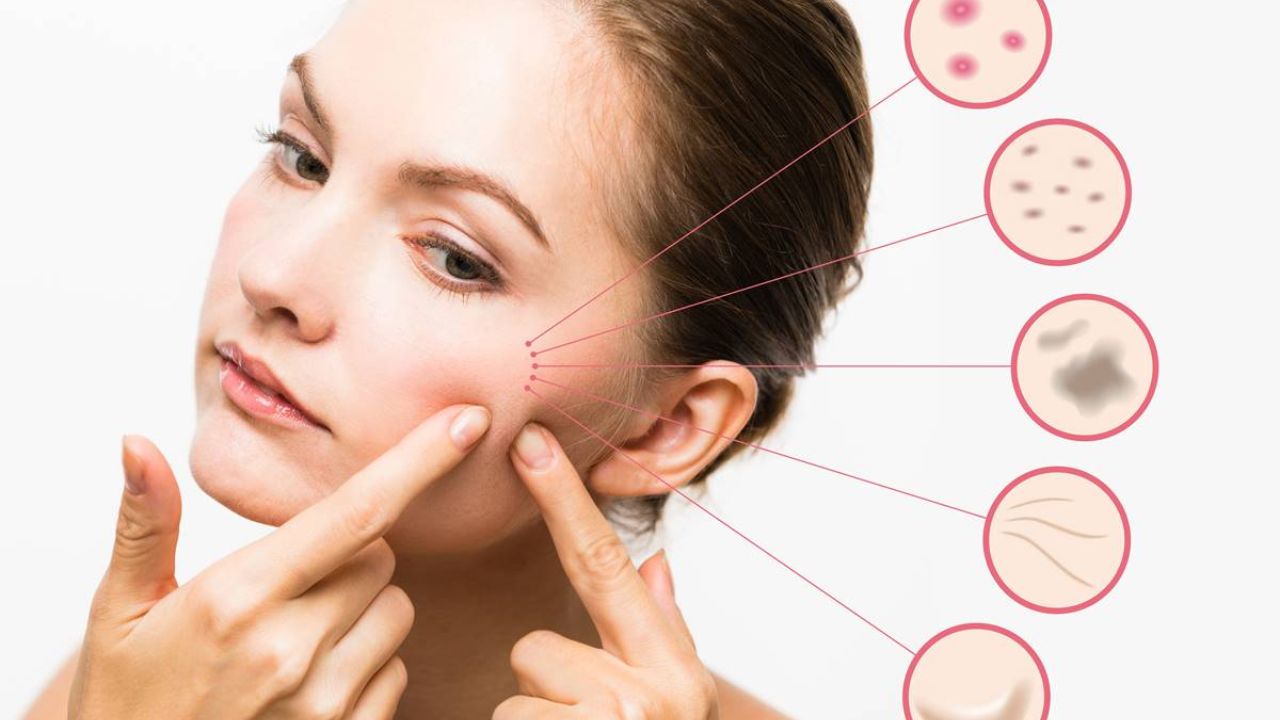
New Delhi: Winter is often associated with cozy scarves, hot drinks, and crisp air. However, dermatologists say that this season brings an unexpected challenge for skin: an increase in acne flare-ups. Experts point to a combination of cold, dry air and rising pollution levels as key triggers that worsen breakouts during the colder months.
During winter, the air becomes colder and drier, stripping the skin of its natural moisture. This can trigger an overproduction of sebum, the skin’s natural oil, as the body tries to compensate for dryness. Excess sebum clogs pores, creating an ideal environment for acne-causing bacteria to thrive. Those with sensitive or oily skin are particularly vulnerable to winter breakouts.
Vicky Kaushal wishes Katrina Kaif on 4th anniversary, shares first pic after welcoming baby
Along with cold temperatures, pollution levels often rise during the winter due to stagnant air and increased vehicle emissions. Fine particulate matter in smog can penetrate the skin, causing inflammation, irritation, and clogged pores. This combination of environmental stressors not only worsens acne but can also contribute to dullness and premature aging.
Dermatologists note that certain habits can exacerbate winter acne. Over-washing the face with harsh cleansers can strip the skin of protective oils, prompting more sebum production. Likewise, using heavy creams that are not non-comedogenic can clog pores further. Many people also neglect daily sunscreen, assuming that winter sun is less harmful, which can aggravate skin sensitivity and acne.
8 Everyday winter habits that harm skin and hair health
To reduce breakouts, experts recommend a balanced winter skincare routine. Moisturizers should be lightweight but hydrating, and cleansers should be gentle to avoid over-drying. Incorporating antioxidants and anti-inflammatory ingredients can help combat pollution-induced skin damage. Additionally, maintaining a healthy diet and staying hydrated are essential for supporting overall skin health.
As winter progresses, understanding the combined impact of cold air and pollution on the skin can help people prevent and manage acne flare-ups more effectively. With the right skincare practices and environmental precautions, it is possible to enjoy the season without compromising skin health.