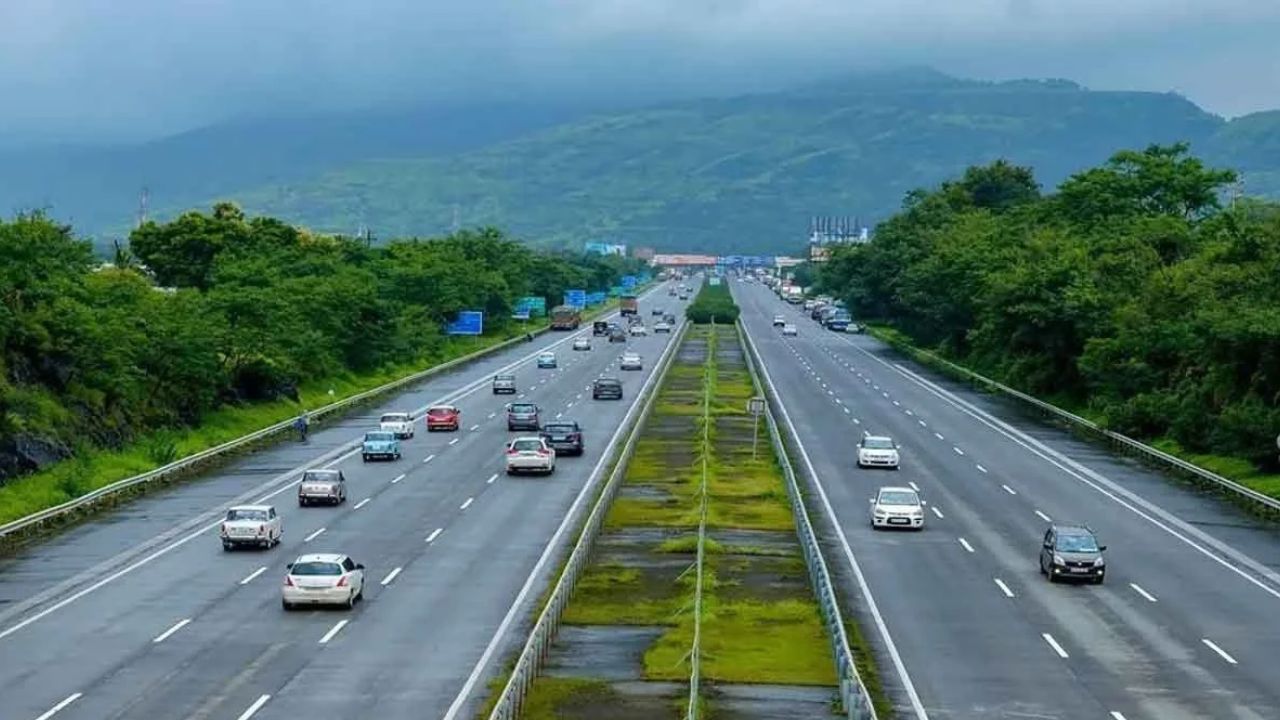
AI-powered emergency response could help NHAI send ambulances and patrol vehicles faster. (Image: Google)
New Delhi: The National Highways Authority of India (NHAI) is preparing a major technology overhaul of its 1033 National Highway Helpline by equipping it with artificial intelligence, real-time location tracking and automated emergency dispatch set as key features of the next-generation system. The proposed platform is aimed at making highway emergency assistance quicker and more accurate, while keeping human operators involved in complex and high-priority situations.
A major feature of the proposed 1033 upgrade is voice-based artificial intelligence capable of interacting with callers in multiple Indian languages. The multilingual system is expected to make it easier for travellers to report accidents, vehicle breakdowns and other emergencies, particularly when callers are under stress or unable to communicate effectively in a single language.
The upgraded system will focus heavily on real-time location capture. Instead of requiring travellers to explain their exact position, the technology is designed to identify where a caller is located on the national highway network. The location information can then be passed to an intelligent dispatch system, allowing the nearest suitable response vehicle to be identified for the emergency.
The proposed dispatch platform could automatically coordinate the deployment of an ambulance, crane, tow truck or highway patrol vehicle based on the nature and location of the incident. The objective is to reduce the gap between receiving an emergency call and getting assistance to the affected traveller.
The upgraded 1033 platform is also expected to provide proactive alerts to motorists about incidents ahead. Travellers could receive warnings about accidents, road obstructions and other hazardous conditions, potentially allowing them to slow down, change routes or take additional precautions.
Despite the increased use of automation, NHAI plans to retain human oversight for complicated emergencies. Operators will continue to play a crucial role in situations requiring judgement, coordination and intervention, particularly when an incident cannot be handled effectively through automated systems.
The 1033 National Highway Helpline was launched in 2018 and operates around the clock across more than 1.46 lakh kilometres of national highways. The service currently receives around 15,000 calls every day and assists motorists with medical emergencies, vehicle breakdowns, ambulance and patrol dispatch, as well as FASTag and toll-plaza-related complaints. Travellers can access the service through multiple channels, including voice calls, SMS, WhatsApp, mobile applications, web portals and email with multilingual assistance available.
National highways account for more than 36% of road fatalities in India despite making up only around 2.3% of the country's total road network. Against this backdrop, faster emergency detection and better coordination between call centres, highway patrol units and emergency service providers could become an important part of improving road safety.
Indian Highways Management Company Limited (IHMCL), a company promoted by NHAI, has issued an Expression of Interest for the design, development, deployment, operation and maintenance of the next-generation 1033 platform. The EOI issued on September 10, 2026, seeks participation from technology companies, logistics and quick-commerce players, emergency-response providers and firms with expertise in Voice AI, Indian-language speech recognition and computer-aided dispatch technology.
The proposed transformation could turn the 1033 helpline into a more integrated, AI-assisted emergency response network for India's national highway users.

