Crude Oil Prices Decline
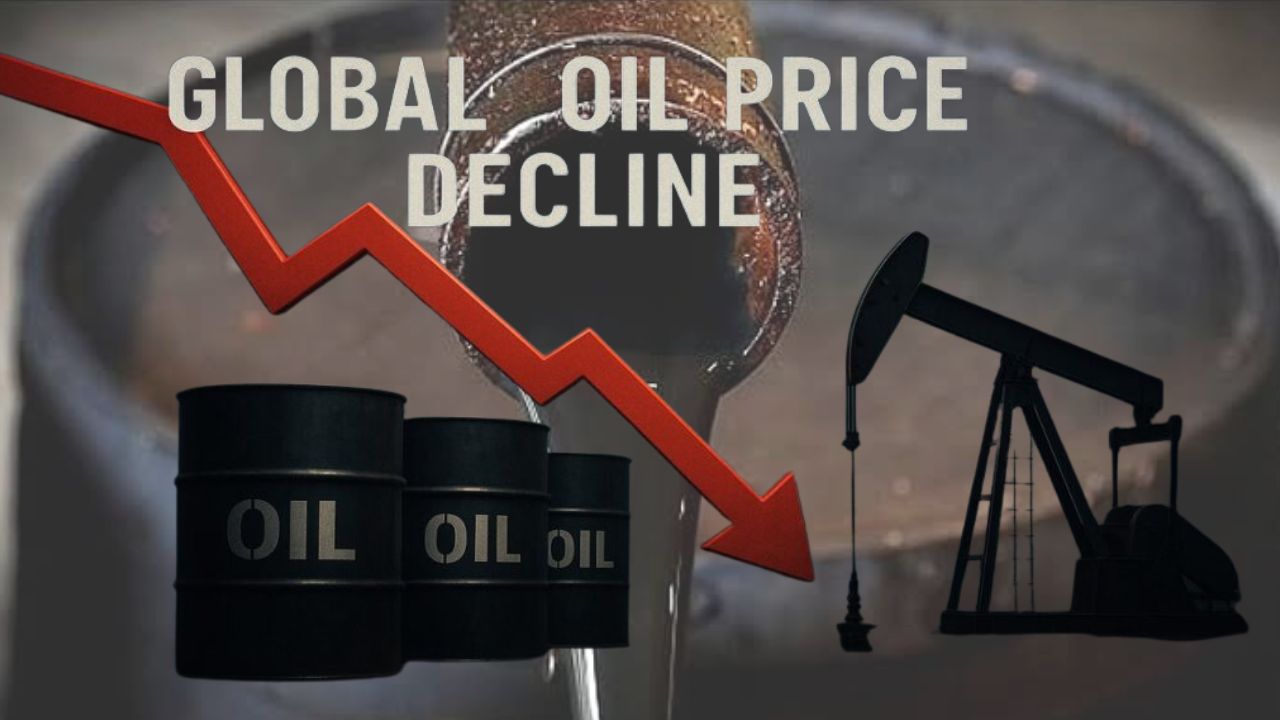
New Delhi: A fall in global crude oil prices has brought renewed optimism for the Indian economy, offering hope of lower inflation, reduced import costs and improved fiscal stability. The decline comes after OPEC+ announced another increase in oil production, easing concerns over global supply shortages and pushing Brent crude closer to the $70–72 per barrel range.
The latest decline has been driven by higher production from OPEC+ countries, improved crude exports through the Strait of Hormuz and easing geopolitical tensions in West Asia. Saudi Arabia has also cut its official selling prices for Asian buyers, increasing the availability of crude in the global market.
India imports more than 85% of its crude oil requirements, making it highly sensitive to fluctuations in global oil prices. Lower crude prices reduce the country's import bill, helping narrow the current account deficit and easing pressure on the rupee. A lower oil bill also improves the government's fiscal position by reducing the overall cost of energy imports.
Cheaper crude oil can help lower transportation and logistics costs, which in turn may reduce the prices of essential goods and services. Industries such as aviation, paints, chemicals, plastics, cement and logistics are also expected to benefit from lower input costs, improving profitability and supporting economic growth. If sustained, softer oil prices could also help keep inflation under control.
The agriculture sector is also expected to benefit if lower crude oil prices are sustained. Diesel is the primary fuel used to operate tractors, harvesters, irrigation pumps and other farm machinery. Lower fuel costs can reduce farmers' cultivation expenses, particularly during the sowing and harvesting seasons.
Transportation of agricultural produce from farms to wholesale markets may also become cheaper, helping farmers save on logistics costs while reducing food prices for consumers. Fertiliser production, which depends heavily on energy inputs and petroleum-based products, could also become less expensive, potentially easing input costs for farmers. Lower transportation and storage costs may further improve the supply of fruits, vegetables and other perishable commodities across the country.
While lower crude prices raise hopes of reduced petrol and diesel prices, an immediate cut is unlikely. Fuel retailers in India are still recovering losses incurred during the recent period of elevated crude prices. Industry experts say state-run oil marketing companies could reach break-even levels if current crude prices remain stable, creating room for future price reductions. However, domestic fuel prices also depend on taxes, refining costs, freight charges and the rupee-dollar exchange rate.
Although the decline in crude prices is good news for India's economy, analysts caution that global oil markets remain vulnerable to geopolitical tensions and shifts in demand. Any disruption in supply or escalation of conflicts could quickly push prices higher again. For now, however, the softer crude market offers India an opportunity to strengthen economic stability while providing potential relief to industries, farmers and consumers alike.

