English
 English

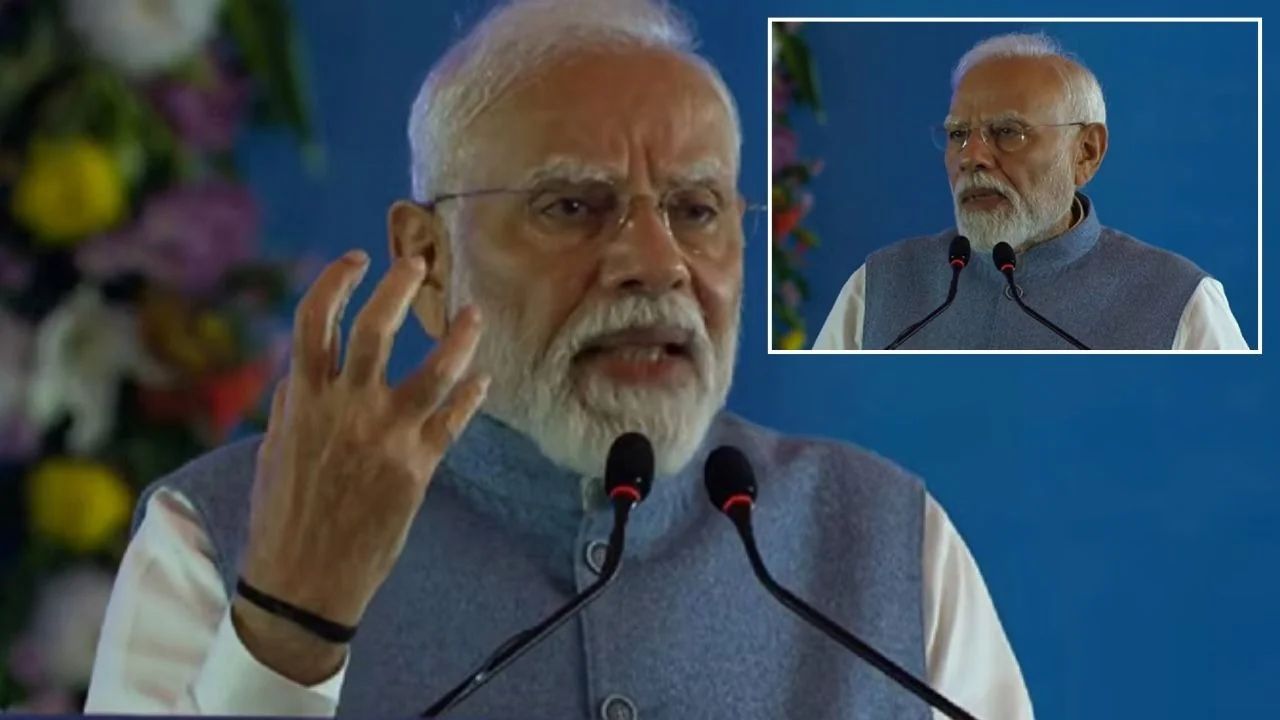
CTI thanks PM Modi as gold prices witness a major correction. (Img: X)
New Delhi: The Chamber of Trade and Industry (CTI) on Sunday appreciated Prime Minister Narendra Modi's appeal to curb gold purchases, claiming that the recommendation helped jewellers, bullion traders and investors avoid substantial financial losses following a sharp correction in gold prices. In an open letter, the trade body said businesses and individuals who postponed purchases at elevated rates had protected their savings and reduced their exposure to inventory-related risks.
The development comes a day after Modi revisited his May appeal during an address in Lucknow, highlighting how citizens had responded to his recommendation to avoid unnecessary gold purchases for one year. CTI's endorsement has brought renewed attention to the relationship between government appeals, consumer behaviour, precious metal imports and the financial exposure of India's jewellery industry.
The Delhi-based trade organisation has credited the Prime Minister's intervention with helping traders navigate a period of considerable volatility in the bullion market. In its communication, titled 'Your foresight saved lakhs of jewellers and investors from falling into debt', CTI highlighted the substantial difference between gold prices prevailing when the May appeal was made and the levels recorded on November 22.
According to the figures cited by the chamber, gold was trading at approximately Rs 1.90 crore per kilogram when Modi urged citizens to restrict purchases. By November 22, the organisation placed the price at around Rs 1.25 crore per kilogram, indicating a reduction of Rs 65 lakh per kilogram.
CTI argued that jewellers and traders who had refrained from accumulating additional inventory at the earlier price levels were better positioned to withstand the subsequent market correction.
The organisation also highlighted the potential financial consequences for businesses that maintain substantial bullion stocks to meet regular retail demand. A sudden decline in gold prices can erode the valuation of existing inventory, putting pressure on working capital, operating margins and repayment obligations.
Gold jewellery businesses typically maintain inventory worth several months of anticipated sales to meet customer requirements during wedding seasons, festivals and periods of heightened retail demand.
Such inventory management is essential to the jewellery trade, but it also exposes businesses to price fluctuations. When bullion rates decline sharply after stocks have been acquired at higher prices, traders can face substantial mark-to-market losses and difficulties in replenishing working capital.
CTI maintained that jewellers who had purchased large quantities of gold when prices were around Rs 1.90 crore per kilogram could have suffered significant financial setbacks following the subsequent decline.
The trade body also extended its assessment to small-scale traders operating through online and offline gold trading channels, as well as stock market participants with exposure to precious metal-linked investments.
According to the chamber, avoiding fresh purchases at elevated prices helped several market participants limit their downside exposure. It further indicated that some jewellers and traders who had initially criticised the Prime Minister's recommendation were subsequently recognising its potential financial benefits. CTI Chairman Brijesh Goyal and other office-bearers signed the communication, which conveyed the organisation's appreciation on behalf of the wider trading community.
The price correction has also drawn attention to the potential relief for Indian households purchasing jewellery during the ongoing wedding season. CTI estimated that approximately 52 lakh weddings were taking place during the season and argued that lower bullion prices could make gold jewellery more accessible to families managing wedding-related expenses.
Gold remains deeply embedded in India's social and cultural traditions, particularly in marriage ceremonies, where jewellery purchases often represent a significant component of household expenditure.
However, the jewellery market has also experienced demand-related pressure. Jeweller Ashish Gupta, in comments reported by Nikkei Asia, indicated that customer visits had declined by approximately 30 per cent compared with the previous year. He also highlighted a change in purchasing behaviour, with some customers who previously bought 10-gram gold pieces opting for smaller 5-gram purchases.
The slowdown in domestic gold demand has coincided with a substantial contraction in India's gold import bill. According to Commerce and Industry Ministry data cited in the report, the value of gold imports fell by 81 per cent in September, declining to $1.8 billion from $9.6 billion in the corresponding month of the previous year.
For the April-September period, gold imports were valued at $19.27 billion, registering a 27.3 per cent decline compared with the corresponding period a year earlier.
The figures are significant because India remains heavily dependent on imported gold to meet domestic consumption requirements. Bullion imports constitute an important component of the merchandise import bill and contribute to foreign exchange outflows.
A sustained moderation in gold imports can help reduce pressure on the country's external trade balance. However, import values are influenced by multiple variables, including international bullion prices, currency movements, import duties and the actual volume of gold brought into the country.
The decline also needs to be viewed alongside the changing economics of domestic gold purchases and the broader international precious metals market.
The government's decision to increase the import duty on gold and silver from 6 per cent to 15 per cent in May added another dimension to the domestic bullion market. Higher customs duties increase the landed cost of imported precious metals and can influence retail pricing, jewellery demand and the purchasing decisions of traders. Economist NR Bhanumurthy identified the higher import duty and developments in international gold prices as possible factors behind the weakening demand.
The Prime Minister's May recommendation was made amid heightened geopolitical tensions in West Asia and rising crude oil prices, which were adding pressure to India's foreign exchange requirements. The appeal formed part of a wider set of seven recommendations aimed at reducing import dependence and conserving foreign currency. These included limiting non-essential gold purchases and overseas travel, encouraging work from home wherever practical, conserving fuel, promoting Swadeshi products, reducing cooking oil consumption and supporting natural farming.
The CTI letter followed Modi's November 21 address at the fifth National Skill Convocation at Indira Gandhi Pratishthan in Lucknow. During the event, the Prime Minister recalled his May recommendation to avoid unnecessary gold purchases for a year and highlighted the public's response.
He also drew a comparison with former Prime Minister Lal Bahadur Shastri's 1965 appeal for citizens to skip one meal during a period of food scarcity, pointing to the importance of collective participation during challenging economic circumstances. Modi indicated that citizens had subsequently told him that following his recommendation had helped them save money as gold prices declined.
The latest endorsement from CTI adds an industry perspective to the discussion, particularly concerning inventory management, working capital requirements and the financial vulnerability of smaller jewellery businesses.
Beyond expressing appreciation for the May appeal, the trade organisation has called for continued government engagement with the gold and silver markets. CTI believes regular guidance and timely policy communication could help traders navigate price volatility, discourage speculative activity and prevent excessive inventory accumulation.
The recommendation is particularly relevant for smaller jewellers and independent traders, who may have limited financial capacity to absorb sharp bullion price fluctuations. The organisation has also emphasised the need to protect businesses from the risks associated with speculative buying and hoarding, especially during periods of uncertain market conditions.