 English
 English

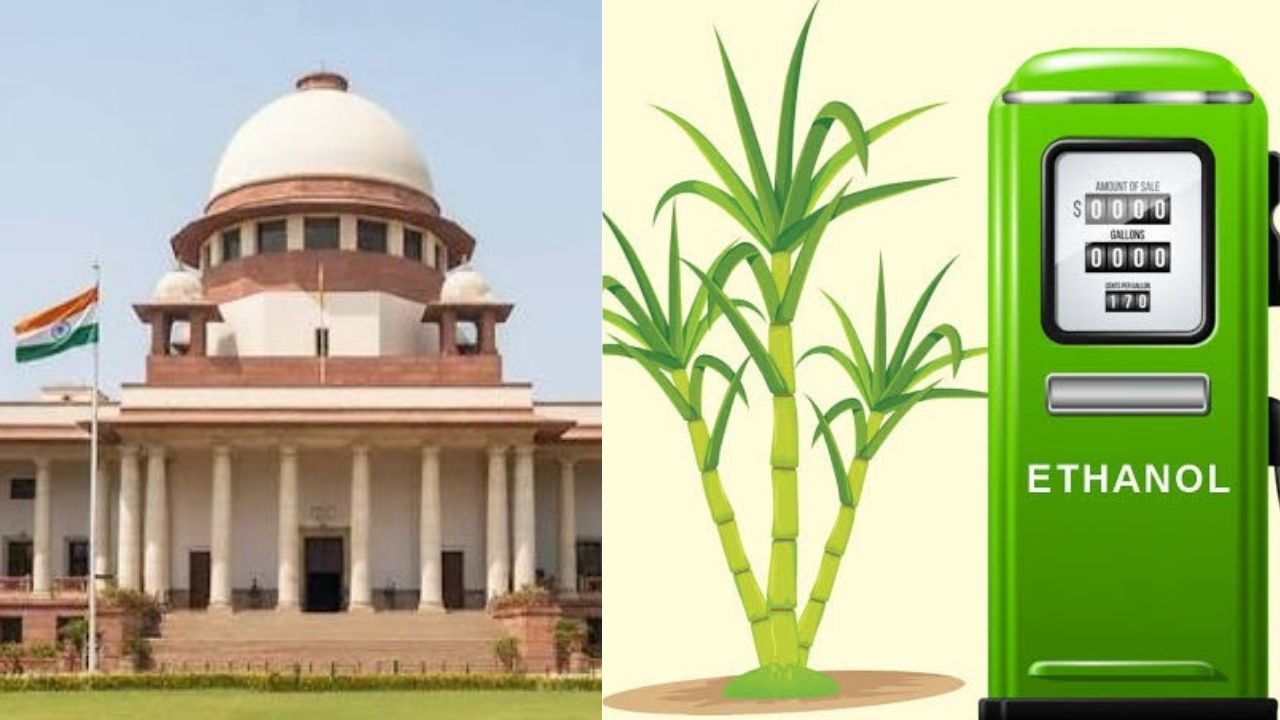
India's sugar sector faces fresh uncertainty over sugarcane-based ethanol supplies (Img: Pinterest)
New Delhi: The key development behind Monday's sell-off is the government's decision to prioritise domestic sugar availability by stopping the diversion of sugarcane-based products for ethanol production during the 2026-27 supply year. The move has raised concerns about the earnings outlook for sugar mills and their investments in ethanol manufacturing.
Indian sugar companies came under pressure in Monday's trading session after a government directive excluded ethanol produced from sugarcane juice, sugar syrup and B-heavy molasses from the latest procurement tender.
Also Read: Crude Oil Prices May Ease to $80 in 2027 as Supply Recovers: Goldman Sachs
The tender, issued by Bharat Petroleum Corporation Ltd on behalf of state-run oil marketing companies, sets sugar diversion for ethanol production at zero for the 2026-27 supply year. It seeks bids for approximately 11 billion litres of ethanol for supply between November 2026 and October 2027.
The decision affected several listed sugar companies, with multiple stocks declining during early trade. The broader sector witnessed selling pressure as investors assessed the potential impact on revenue, profitability and returns from ethanol-related investments.
With sugarcane-derived feedstocks excluded from the latest tender, ethanol producers will need to rely more heavily on alternative sources. These include maize, broken rice, surplus rice supplied through the Food Corporation of India and C-heavy molasses.
However, the revised procurement terms have also reduced the price and incentive offered for maize-based ethanol. This could create additional pressure on producers as they adjust their operations to meet the requirements of the petrol-blending programme.
India has expanded ethanol blending to reduce dependence on imported crude oil. The programme has created another market for agricultural producers and distilleries, but the latest decision changes the available raw materials for the coming supply cycle.
PNB Q2 Results: Net Profit Rises 12.8% to Rs 5,532 Crore, NPAs Decline
The policy change comes amid concerns about sugar production and availability. Below-normal rainfall in key producing states, including Maharashtra and Karnataka, has raised concerns about the next season's output. At the same time, higher domestic sugar prices and festive demand have added to worries about supply.
By restricting the diversion of sugarcane products towards fuel production, the government is seeking to preserve more sugar for domestic consumption while continuing the ethanol-blending programme through alternative feedstocks.
The immediate focus for investors will be how sugar companies adapt to the revised procurement rules, manage production costs and maintain profitability. The availability of grain, ethanol prices and sugar output in the coming season are likely to remain important factors for the sector.