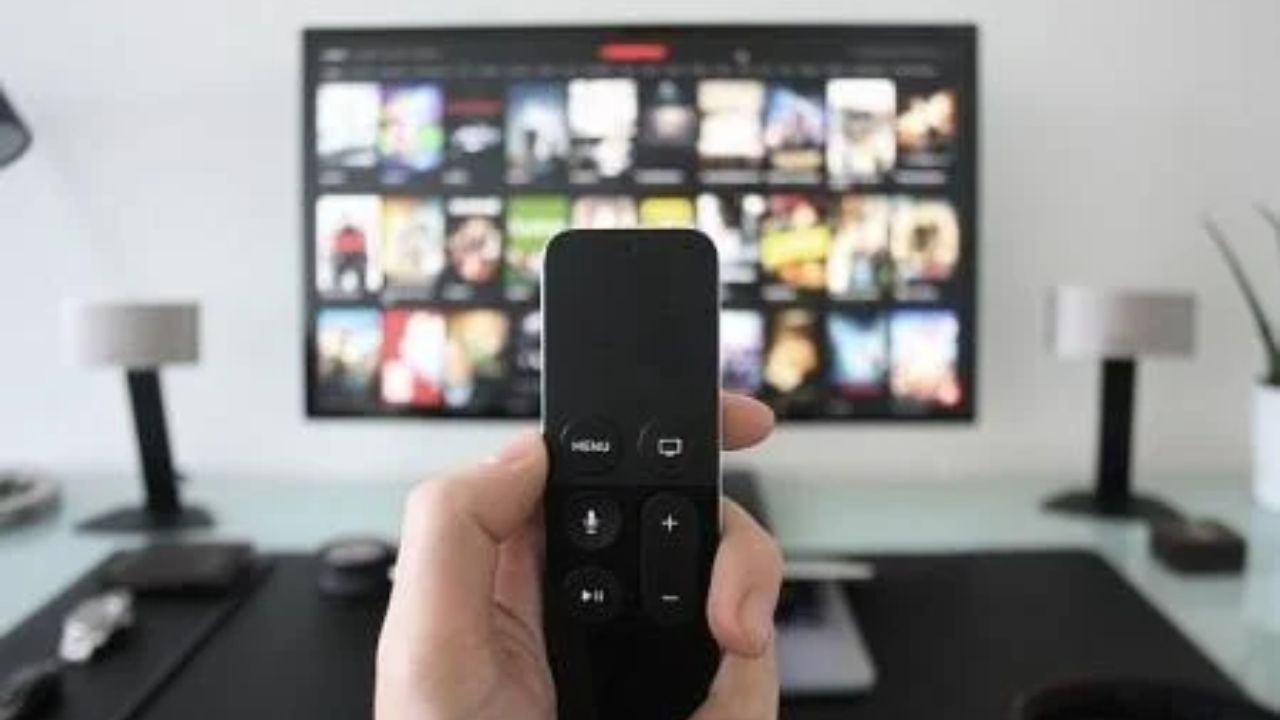
TRAI proposes a light-touch authorisation framework for internet-based TV distribution and FAST streaming services in India. (Images: X)
New Delhi: India’s telecom regulator has recommended a new authorisation framework for internet-based television distribution services, including Free Ad-Supported Streaming Television (FAST) platforms. The proposed light-touch approach aims to provide regulatory clarity, protect consumers and promote fair competition in the evolving digital broadcasting market.
The Telecom Regulatory Authority of India (TRAI) released its recommendations on Application-based Linear Television Distribution (ALTD) Services on Monday, following a request from the Ministry of Information and Broadcasting (MIB) in December 2025.
TRAI has proposed recognising Application-based Linear Television Distribution Services as a separate category under “Television Channel Distribution Services” within the broadcasting authorisation framework under the Telecommunications Act, 2023. The proposed category covers platforms that aggregate and distribute government-approved linear television channels through applications, websites and similar interfaces accessible on internet-enabled devices.
These services may operate on smart TVs, connected televisions, mobile applications and web-based platforms, allowing viewers to watch scheduled television programming online. The category also includes FAST channels and internet-native linear television services.
Free Ad-Supported Streaming Television, commonly known as FAST, offers scheduled television-style programming supported by advertising, generally without requiring viewers to pay a subscription fee. The popularity of internet-connected devices and app-based television services has expanded the digital broadcasting landscape. TRAI's recommendations seek to establish regulatory clarity for these services while maintaining a relatively flexible framework that supports innovation.
The proposal follows the Ministry of Information and Broadcasting's request for recommendations on regulating FAST services, with the broader objective of ensuring a level playing field, content accountability and consumer protection.
TRAI developed its recommendations after a stakeholder consultation process that began in April 2026. The regulator received 207 comments and 11 counter-comments from stakeholders and also conducted an Open House Discussion in June. The consultation helped shape the proposed framework for a sector where traditional television distribution and internet-based viewing services increasingly overlap.
According to the Ministry of Communications, the recommendations are intended to provide regulatory certainty while supporting innovation in application-based television distribution.
The proposed framework will not cover broadcaster-owned platforms that distribute only their own television channels or those belonging to companies within their respective groups. Live streams hosted on social media platforms will also remain outside the proposed framework. These exclusions distinguish the proposed ALTD category from other forms of online video distribution and broadcaster-operated services.
TRAI's recommendations propose a framework for the development, deployment and management of application-based linear television distribution services for users in India. The recommendations establish the regulator's proposed approach, but the final regulatory requirements will depend on the government's subsequent decisions and implementation of the framework.
For streaming platforms, broadcasters and viewers, the proposal marks an important development in India's efforts to address the changing relationship between television broadcasting and internet-based content delivery.

