English
 English

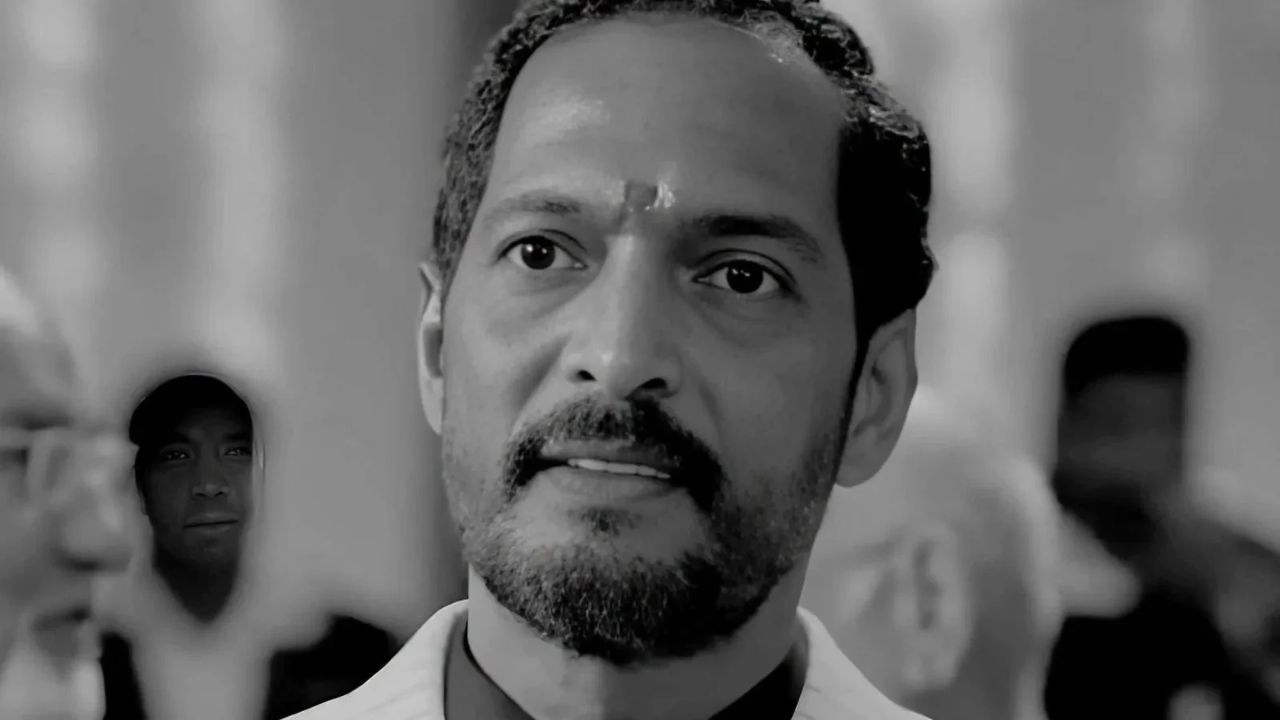
From ‘Krantiveer’ to ‘Welcome’, Nana Patekar delivered dialogues that became part of popular culture (Img: Dynamite news)
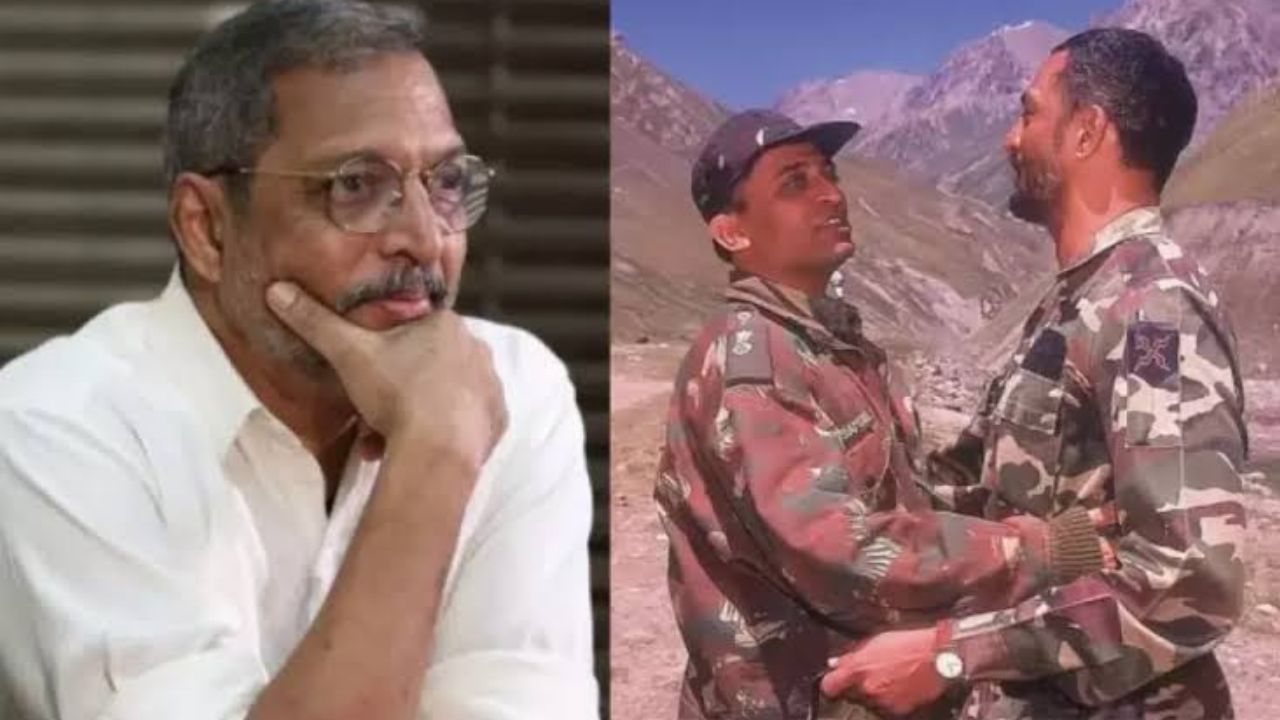
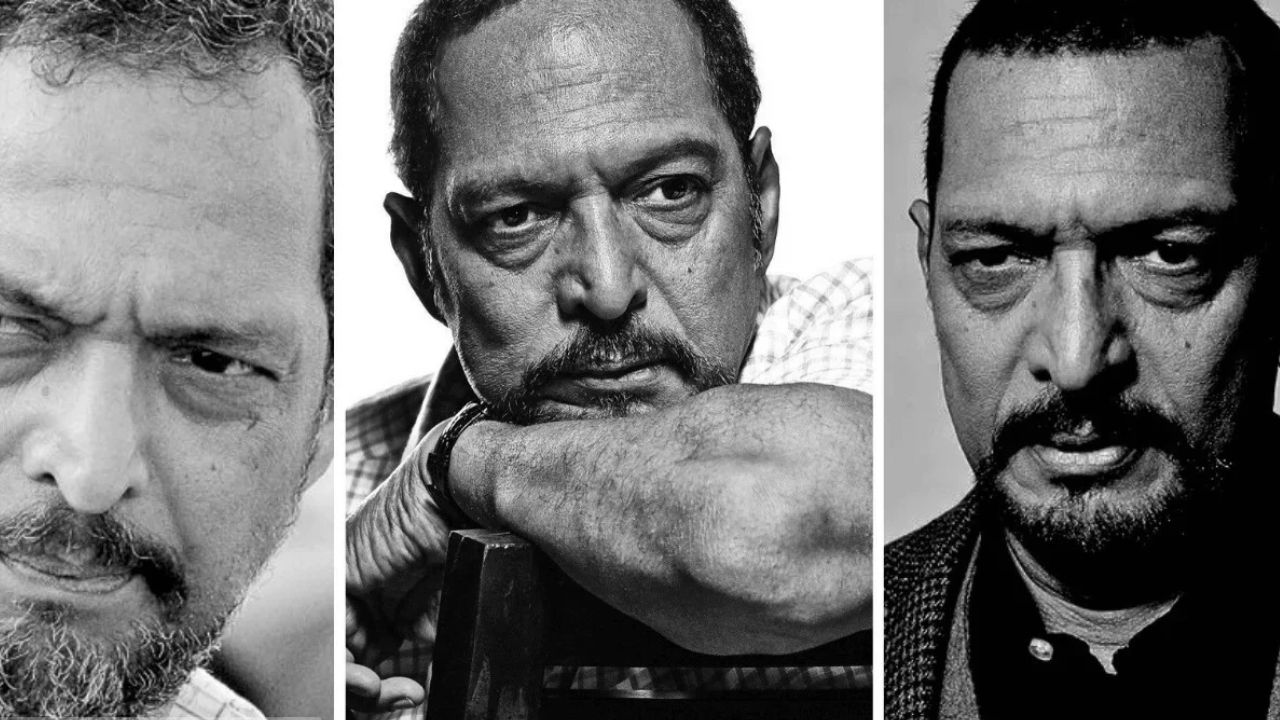
Mumbai: The most iconic actor Nana Patekar has died at the age of 75, leaving behind a remarkable legacy in Indian cinema. Known for his intense performances, commanding voice and distinctive dialogue delivery, Patekar made several characters memorable through the sheer force of his performance.
Over a career spanning decades, he moved effortlessly between serious dramas, action films and comedy. Some of his dialogues became cultural favourites and continue to be remembered years after their release.
Released in 1993, Tirangaa was a patriotic action drama featuring Nana Patekar alongside Raj Kumar. The film revolved around two police officers taking on a dangerous criminal conspiracy against the country.
Patekar’s role allowed him to combine toughness with his trademark blunt delivery.
One of his popular lines from the film was: “Pandrah sau ki naukri karne waala, ek din tujhe dedh sau ka kafan pehnayega.”
The dialogue turns the modest salary of a police officer into a powerful warning, delivered in Patekar’s unmistakably direct style.
Released in 1997, Yeshwant featured Nana Patekar as a police officer struggling with corruption, crime and a system that constantly tested his principles. The film showcased Patekar in an intense and emotionally charged role.
One of the film’s most remembered passages begins with: “Ek machchhar, saala ek machchhar insaan ko aadmi se hijda bana deta hai. Ek khatmal puri raat ko apaahij kar deta hai. Subah ghar se niklo, bheed ka ek hissa bano. Shaam ko ghar jao, daru piyo aur bacchee paida karo, aur subah talak phir ek baar mar jao.”
The dialogue captures the frustration and helplessness of an ordinary man trapped in the pressures of everyday life. Patekar’s delivery, rather than just the words, made the scene particularly memorable.
Released in 2004, Ab Tak Chhappan was a gritty crime drama inspired by the world of Mumbai’s encounter police officers. Patekar played Sadhu Agashe, a tough and experienced police officer who becomes increasingly caught between his personal beliefs and the system he serves.
The film focused on the moral complications surrounding encounters and police operations.
One of the lines that captured the character’s outlook was: “Ek police inspector joint commissioner ke saath kya argument karega? Unko bhi koi bada sahab bola hoga, hum sab system ka hissa hain. System decide karta hai, apun follow karta hai.”
The shorter version is often remembered as: “Hum sab system ka hissa hain, system decide karta hai, apun follow karta hai.”
The dialogue summed up the film’s central tension — whether an individual inside a powerful system can really act independently.
‘Krantiveer’ (1994) remains one of the most important films in Nana Patekar’s career. Directed by Mehul Kumar, the film presented Patekar as Pratap Narayan Tilak, a troubled man who eventually takes a stand against political corruption and communal violence.
The film earned Patekar widespread acclaim and showcased his ability to combine anger, vulnerability and social commentary.
One of his most instantly recognisable lines from the film is: “Aa gaye meri maut ka tamaasha dekhne?”
The short dialogue carried tremendous impact because of Patekar’s intense expressions and delivery.
In ‘Ghulam-E-Musthafa’ (1997), Patekar played the titular character, a feared gangster caught between violence, loyalty and his relationship with the people around him.
The film gave Patekar plenty of opportunities to portray menace without relying solely on action.
One of the memorable lines associated with the film is: “Behtar hai tu apna iraada badal de, nahin toh main tera naksha badal doonga.”
The dialogue became memorable because of the calm threat behind it. Patekar often had the ability to make a warning sound more intimidating simply through his pauses and tone.
While Patekar’s serious performances established his reputation, ‘Welcome’ (2007) proved that he could also dominate a comedy.
Directed by Anees Bazmee, the film featured Patekar as Uday Shetty, a feared gangster who becomes desperate to find a respectable husband for his sister. His chemistry with Anil Kapoor’s Majnu Bhai became one of the film’s biggest highlights.
Veteran Actor Nana Patekar Passes Away At 75, found unresponsive at Goa flat
One of Uday Shetty’s most popular lines is: “Bhagwan ka diya hua sab kuch hai. Daulat hai. Shohrat hai. Izzat hai. Bas ek nek aur shareef ladka chahiye tha.”
The dialogue became a favourite because Patekar delivered it with the same seriousness he brought to his dramatic roles making the situation even funnier.
From intense political dramas and action films to comedy entertainers, Nana Patekar had the rare ability to make a dialogue memorable through his voice, expressions and delivery. These lines represent only a small part of the legacy he leaves behind in Indian cinema.