 English
 English

BRICS 2026: Modi-Putin Meet Could Decide The Next Chapter For Russia’s Su-57 In India
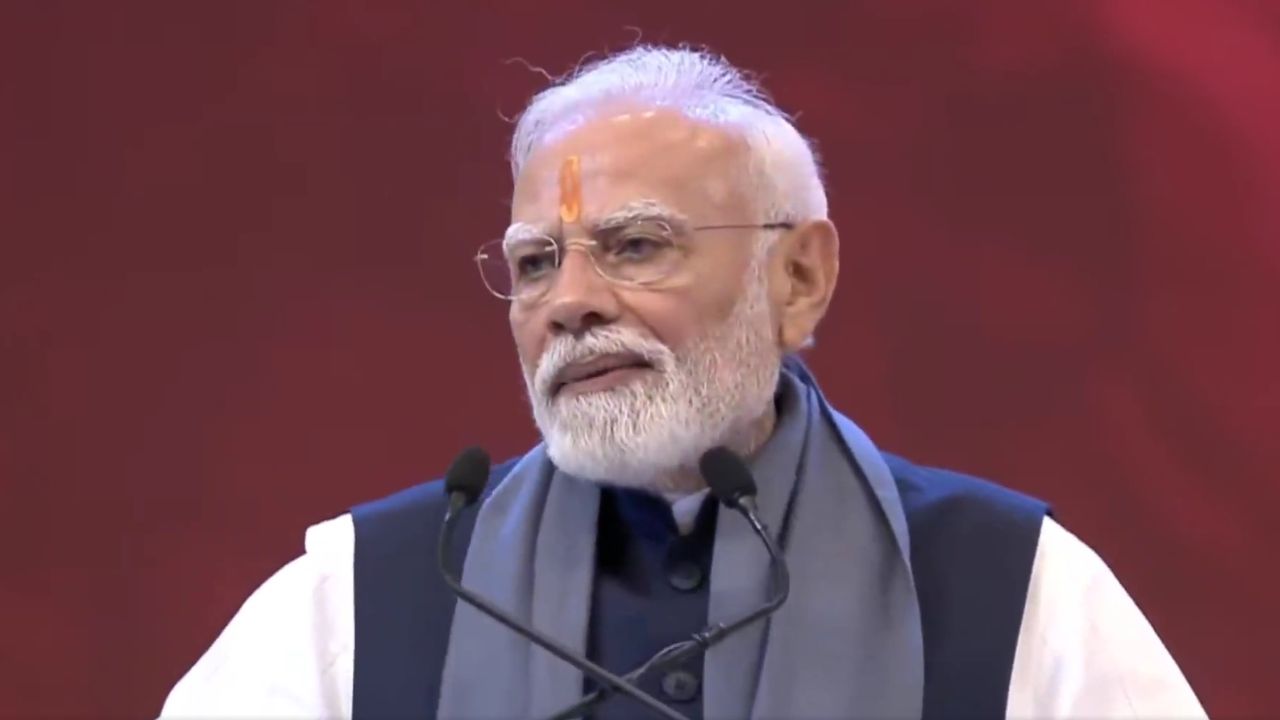
New Delhi: Will India buy Russia’s advanced Su-57 fighter jet? That question is back in focus ahead of Prime Minister Narendra Modi’s meeting with Russian President Vladimir Putin on September 11, just before the BRICS Summit in New Delhi.
The Kremlin has confirmed that the proposed sale of Su-57 aircraft to India is among the issues expected to be discussed, putting defence cooperation at the heart of a meeting that could have wider implications for India-Russia strategic ties.
Modi and Putin are scheduled to hold bilateral talks in New Delhi on Friday, September 11, on the sidelines of the 18th BRICS Summit. Kremlin spokesperson Dmitry Peskov confirmed the meeting on Tuesday and said the leaders would begin with the bilateral agenda. The proposed sale of Russia’s Su-57 fifth-generation fighter aircraft to India is expected to be among the issues discussed, along with trade and economic cooperation.
The development has immediately shifted attention towards the Su-57, Russia’s flagship fifth-generation fighter, and whether the upcoming talks could move discussions on the aircraft towards a more concrete arrangement.
But there is an important caveat: India has not officially announced a decision to purchase the Su-57. The aircraft sale is currently an item on the bilateral agenda, not a confirmed defence contract.
The real significance of the discussion could lie beyond the aircraft itself. India’s interest in advanced fighter technology comes against the backdrop of the Indian Air Force’s long-term modernisation requirements and the country’s push for greater domestic defence manufacturing.
A potential Su-57 arrangement could therefore raise much larger questions about technology transfer, local production, maintenance support and industrial cooperation.
Recent reporting suggests that access to Su-57 technology and possible cooperation around production are among the areas attracting attention ahead of the Modi-Putin meeting.
For Moscow, meanwhile, an Indian association with the Su-57 would carry considerable strategic and commercial weight. An Indian order or deeper technology partnership could strengthen the aircraft’s international profile.
The Su-57 is unlikely to be the only major issue on the table. Defence cooperation, trade and economic relations are expected to form an important part of the discussions. Nuclear energy cooperation and the construction of additional nuclear power capacity have also emerged as potential areas of engagement.
The leaders could also exchange views on major geopolitical developments, including the Ukraine conflict and the wider security situation. India and Russia have continued to maintain their strategic partnership despite profound changes in the global geopolitical environment. The two countries have repeatedly emphasised the importance of expanding cooperation across defence, energy, space, trade and other sectors.
The timing makes the Modi-Putin meeting particularly significant. India is hosting the BRICS Summit at a moment when global power equations are being reshaped by conflicts, sanctions, trade disputes and competing strategic alignments.
New Delhi has simultaneously maintained its longstanding relationship with Moscow and expanded strategic and economic engagement with the United States, Europe and other partners.
The Su-57 discussion therefore comes with a larger question attached: Can India deepen high-technology defence cooperation with Russia while preserving its strategic flexibility?
Any future agreement will also be closely examined for its compatibility with India’s ambitions for domestic defence production and technological self-reliance.
The September 11 meeting will not be the first Modi-Putin interaction this year. The two leaders met in Bishkek on August 31 on the sidelines of the Shanghai Cooperation Organisation summit.
According to the Prime Minister’s Office, they reviewed the full range of the India-Russia Special and Privileged Strategic Partnership, including political, economic, defence, energy and space cooperation. The leaders also discussed regional and global developments, including conflicts in West Asia and the Black Sea region.
At that meeting, Modi reiterated that dialogue and diplomacy were the way forward for resolving conflicts. He also said he looked forward to welcoming Putin to India for the BRICS Summit on September 12-13. The latest meeting therefore comes against the backdrop of an already active diplomatic engagement between New Delhi and Moscow.
Putin’s India visit is centred on the BRICS Summit, which India is hosting as the group’s chair for 2026. The 18th BRICS Summit is scheduled to take place in New Delhi, bringing together leaders and senior representatives from the grouping and its expanded membership.
For India, the summit is an opportunity to project its diplomatic influence and its vision of a more representative global order. For Putin, the visit offers an important opportunity to reinforce Russia’s relationship with one of its key strategic partners. That makes the Modi-Putin bilateral more than a routine diplomatic engagement.
The meeting is also unfolding amid continuing friction over Russia’s energy trade. Peskov has criticised a proposed US move to impose a 100 per cent tariff on countries purchasing Russian crude, calling the measure “illegal and unacceptable”.
The issue is particularly sensitive for India because Russian energy supplies have become an important component of the country’s broader economic relationship with Moscow.
Any discussion between Modi and Putin will therefore be closely watched for signals on energy, trade and how the two countries intend to navigate mounting geopolitical and economic pressure.
For readers following the Su-57 story, the key distinction is crucial. Russia has put the aircraft sale on the agenda. India has not announced a final purchase agreement.
That leaves several possibilities open. The two leaders could discuss the aircraft without reaching a final decision. They could potentially explore technology transfer and production arrangements. Or the talks could lay the groundwork for more detailed negotiations between the two countries.
The most closely watched signals will therefore be any announcement concerning aircraft numbers, technology transfer, local manufacturing, pricing, maintenance or a formal framework for cooperation.
All eyes will now be on September 11. If Modi and Putin announce concrete progress on the Su-57, it could mark a significant new phase in India-Russia defence cooperation.
If no agreement emerges, the fact that the fifth-generation fighter has been placed on the bilateral agenda will nevertheless indicate that Moscow is actively seeking a deeper defence relationship with New Delhi. And with the BRICS Summit beginning immediately afterwards, the implications will extend well beyond fighter aircraft.
The real story is not simply whether India will buy the Su-57. It is whether Modi and Putin can turn a proposed fighter jet sale into a broader strategic partnership covering defence technology, energy, trade and long-term cooperation.