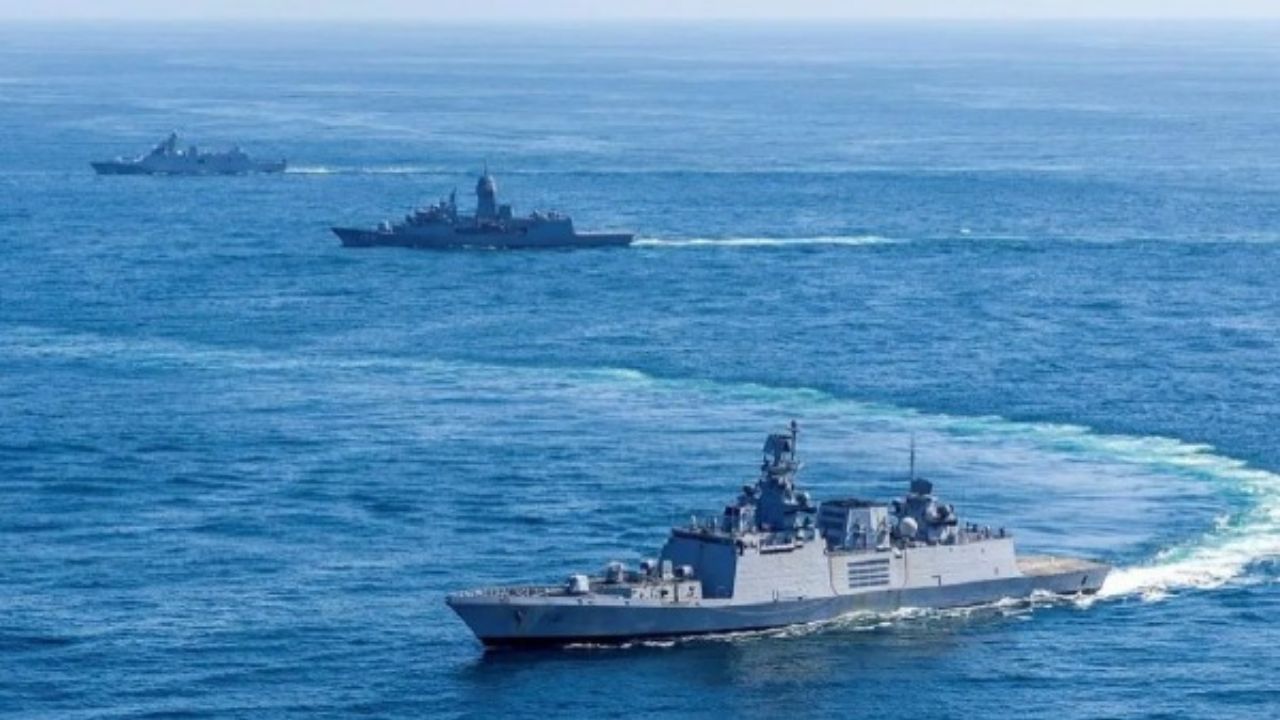
Two Chinese vessels reverse course amid West Asia conflict
New Delhi: Two Chinese container ships were forced to turn back while attempting to pass through the Strait of Hormuz, underscoring continued instability in the region despite Iran’s assurances of safe transit.
The vessels CSCL Indian Ocean and CSCL Arctic Ocean are Hong Kong-flagged and operated by COSCO. Both ships have remained in the Gulf since hostilities escalated earlier this year.
According to ship-tracking data, the vessels attempted to transit the strait early Friday but reversed course shortly after entering the passage.
This marked the first known attempt by a major shipping operator to exit the Gulf via Hormuz since the conflict began, highlighting the risks still associated with navigation in the region.
Earlier, Iran had stated that vessels from friendly nations would be allowed safe passage through the strait. Iranian Foreign Minister Abbas Araghchi had named countries including China, India and Russia among those permitted to transit.
However, reports indicate that Iranian forces warned multiple ships attempting to cross, leading to their withdrawal. Authorities have also suggested that vessels linked to countries seen as adversaries may not be allowed passage.
The Strait of Hormuz is one of the world’s most crucial maritime chokepoints, handling nearly 20% of global oil and gas shipments under normal conditions.
‘Defence Will Continue as Long as Needed’: Seyyed Abbas Araghchi Slams US, Israel at UN
Recent developments suggest that even with selective permissions, the route remains unpredictable. Shipping analysts have indicated that safe passage cannot yet be guaranteed, as tensions in the region continue to impact commercial movement.
Despite restrictions, some vessels have reportedly been allowed to pass through a designated route near Larak Island, informally referred to in shipping circles as a controlled transit corridor.
However, Friday’s incident highlights the fragile security situation and the challenges faced by global shipping companies navigating the region amid ongoing geopolitical tensions.

