English
 English

Iran's Supreme Leader Mojtaba Khamenei's FIRST message amid US-Iran war
New Delhi: Iran’s newly appointed Supreme Leader, Mojtaba Khamenei, delivered his first public message following the death of his father, Ali Khamenei, who was killed in a reported joint strike by the United States and Israel on Tehran last month.
In the televised statement broadcast by Iranian state media, Mojtaba called on the Iranian people to remain united during what he described as a critical moment for the country.
In his address, Mojtaba urged citizens across Iran and supporters in the region to participate in Quds Day, a major political and religious event held every year to show solidarity with Palestinians.
He said unity among the Iranian people and regional allies was essential as the country faces mounting pressure and what he described as coordinated attacks by foreign adversaries.
Mojtaba Khamenei also delivered a strong message to Washington, declaring that all American military bases in the Middle East should be “immediately closed.”
According to the new leader, Iran will continue to confront what he called hostile forces in the region and will pursue compensation from countries it considers responsible for attacks on Iranian territory.
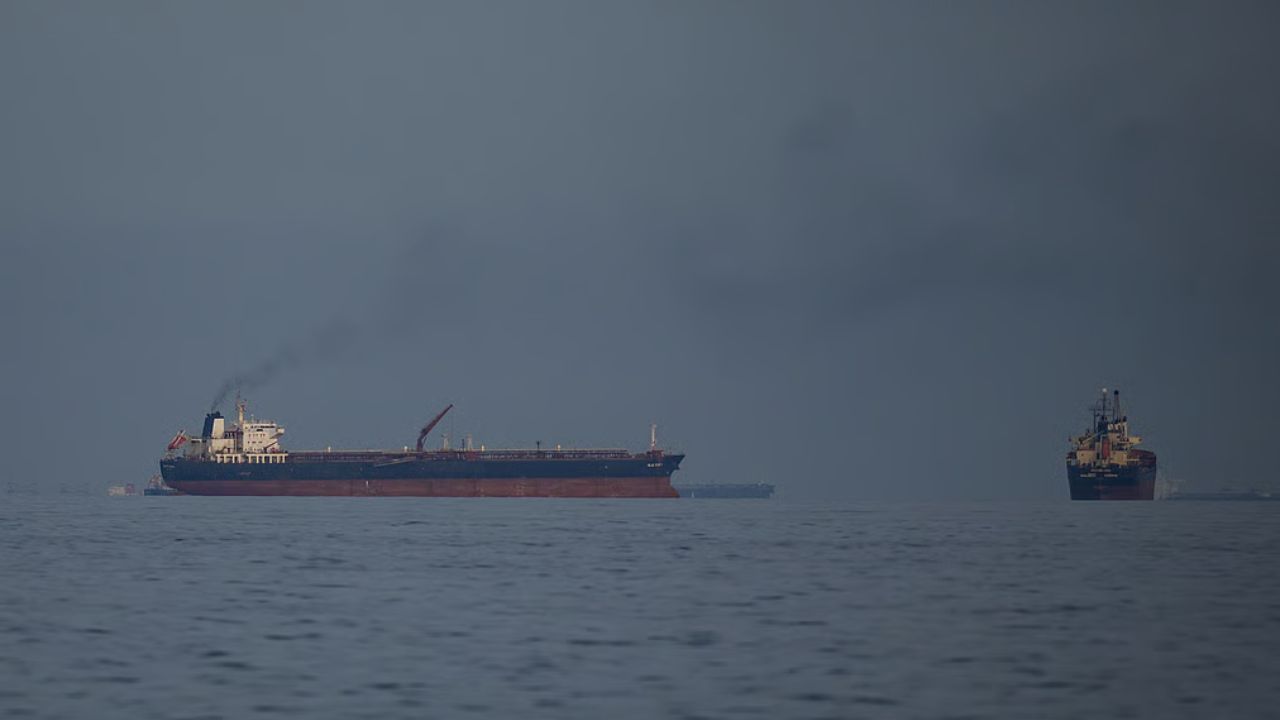
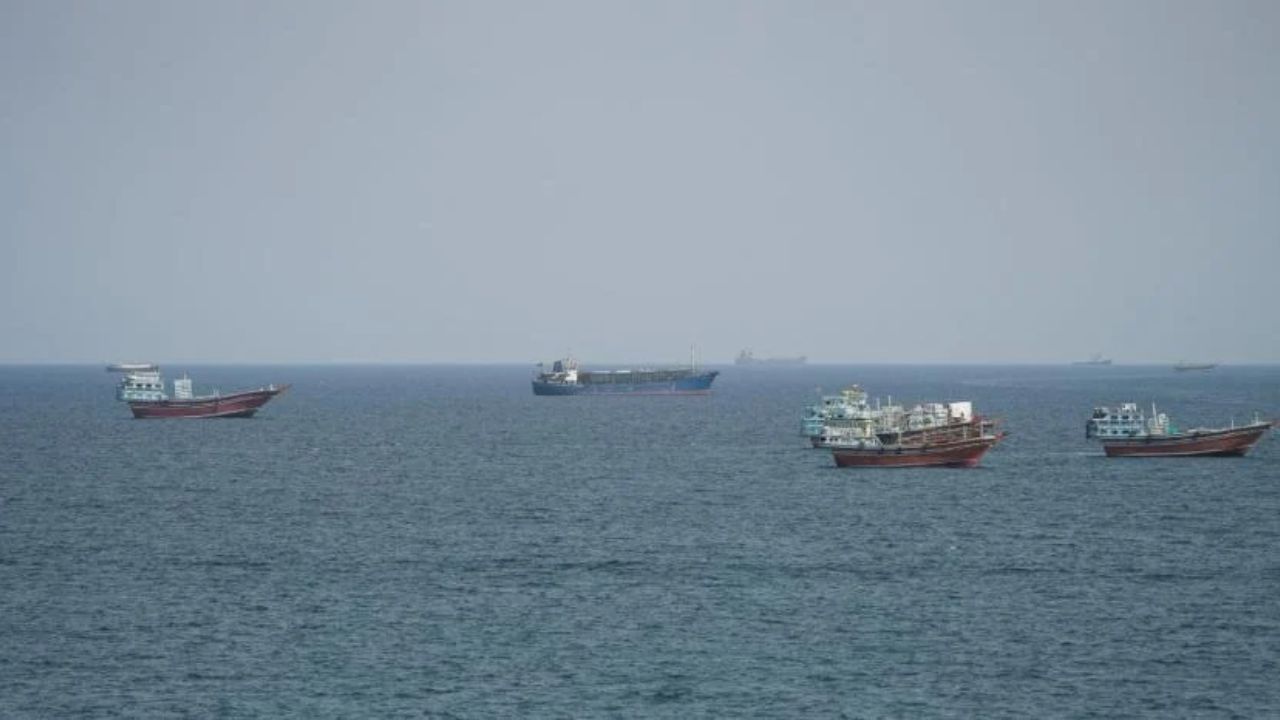
One of the most striking statements from the address concerned the strategic waterway known as the Strait of Hormuz.
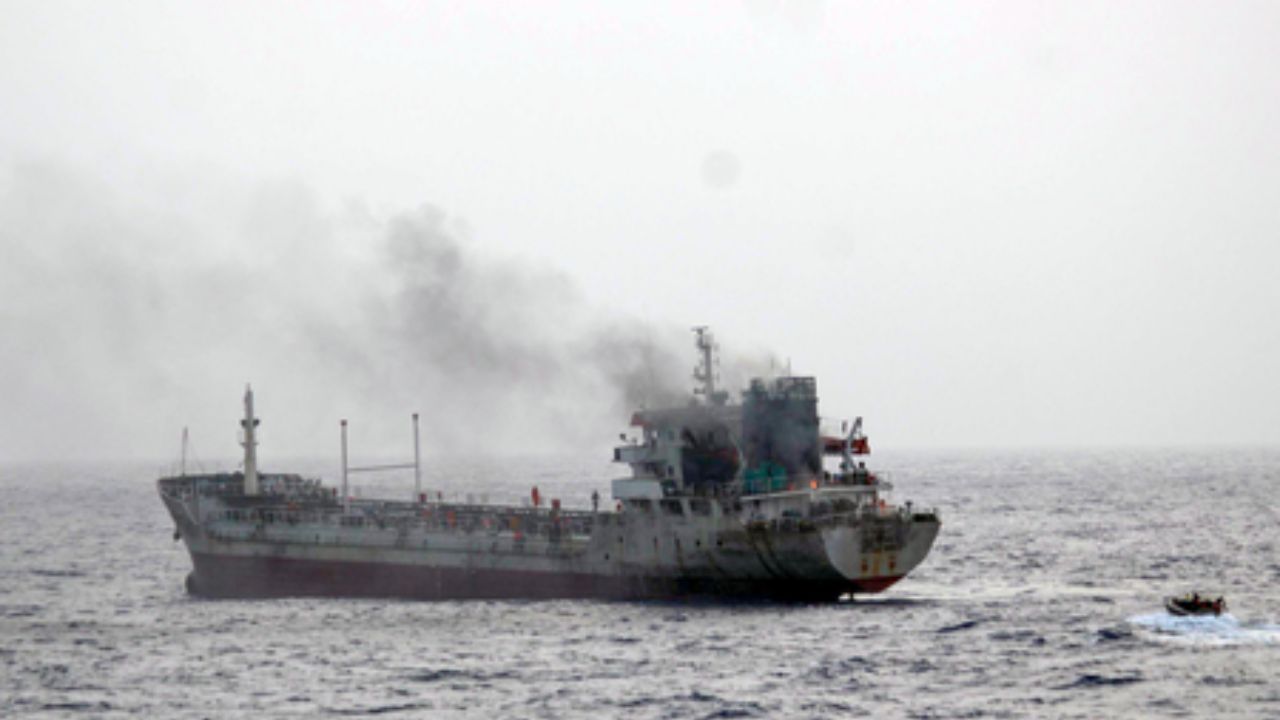
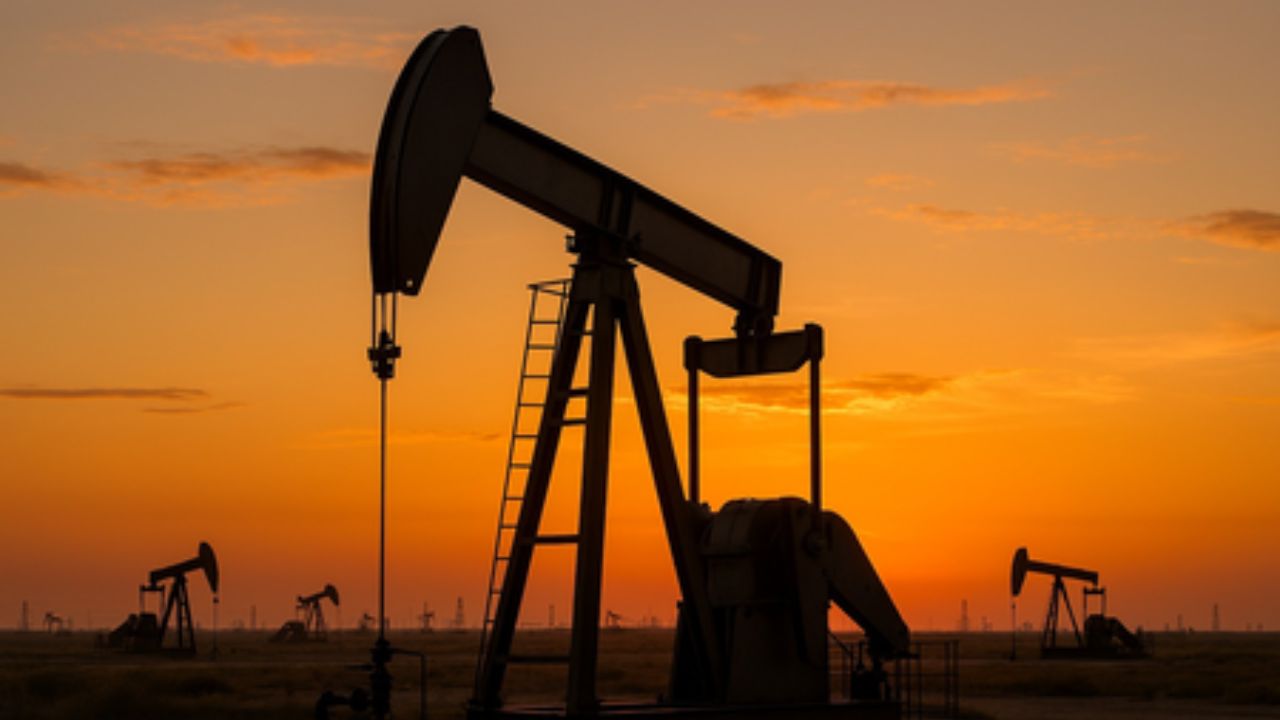
Mojtaba warned that Iran would continue to keep the passage closed in order to exert pressure on its enemies, signaling a potential escalation that could impact global energy supplies and international shipping.
The new Supreme Leader also pledged that Iran would avenge the deaths of its citizens killed in recent hostilities. He praised Iranian fighters and security forces for what he described as their bravery during a period when the nation is under intense pressure.
Mojtaba thanked military personnel and members of what he called the “resistance front” for defending Iran and maintaining stability during the ongoing crisis.
Following the assassination of Ali Khamenei in a joint US-Israel strike on February 28, Iran’s leadership transition was finalized by the country’s powerful clerical body, the Assembly of Experts.
The 88-member assembly formally elected Mojtaba, 56, as the country’s new Supreme Leader.
Iranian officials later confirmed that Mojtaba himself was injured during the attack on Tehran that killed his father. Reports indicated he suffered injuries to his legs but remained conscious and stable.
According to sources cited by the The New York Times, Mojtaba has been staying at a highly secure undisclosed location and limiting communications to avoid revealing his whereabouts.
The leadership transition in Iran, combined with threats regarding the Strait of Hormuz and retaliation for recent attacks, has heightened tensions across the Middle East.
Observers say Mojtaba Khamenei’s first message signals a hardline stance as Iran enters a new chapter following the death of one of the region’s most influential leaders.