 English
 English

Israel-Iran Conflict Deepens After Claim of Top IRGC Commander’s Killing
Jerusalem: Israeli Prime Minister Benjamin Netanyahu has claimed that Israel killed the commander of Iran’s Islamic Revolutionary Guard Corps (IRGC) Navy in a recent military strike, marking a potentially significant escalation in the ongoing conflict between the two countries.
According to a statement released by the Prime Minister’s Office, the operation took place overnight and was part of a broader campaign targeting key Iranian military figures and infrastructure.
Indian National Among Two Killed in Missile Debris Incident in Abu Dhabi
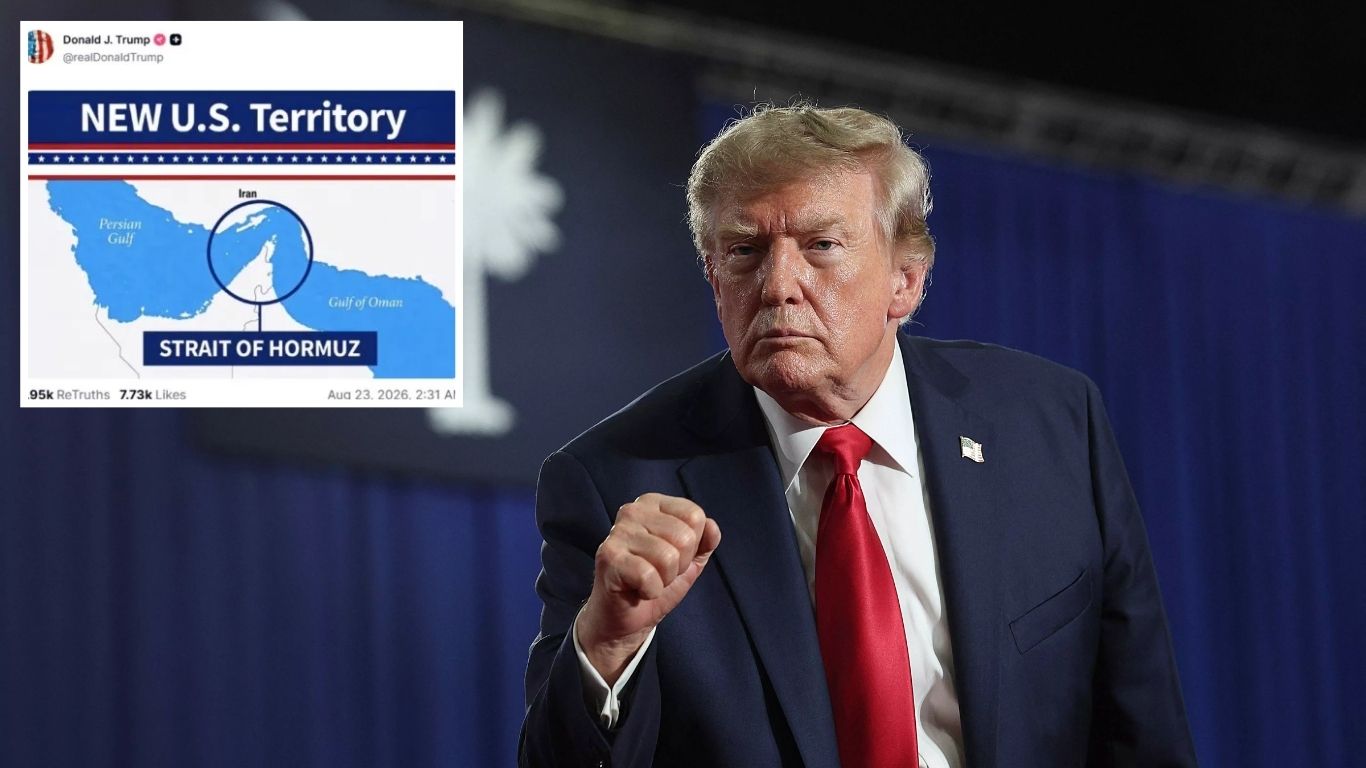
Netanyahu described the slain commander as a key figure responsible for actions that impacted regional stability. He alleged that the officer had played a central role in efforts to disrupt maritime movement, including activities linked to the Strait of Hormuz.
Prime Minister Netanyahu:
"We continue to forcefully strike the targets of the Iranian terrorist regime.
Last night, we eliminated the Commander of the IRGC Navy. This man had a great deal of blood on his hands; he was also the one who led the closure of the Strait of Hormuz. pic.twitter.com/XZPXK4ivXt
— Prime Minister of Israel (@IsraeliPM) March 26, 2026
He further stated that Israeli forces would continue operations against what he termed critical elements of Iran’s military establishment.
The claim regarding the killing has not been independently verified, and Iranian authorities have not issued any official response so far. The absence of confirmation has left room for uncertainty around the details of the strike and the identity of the individual targeted.
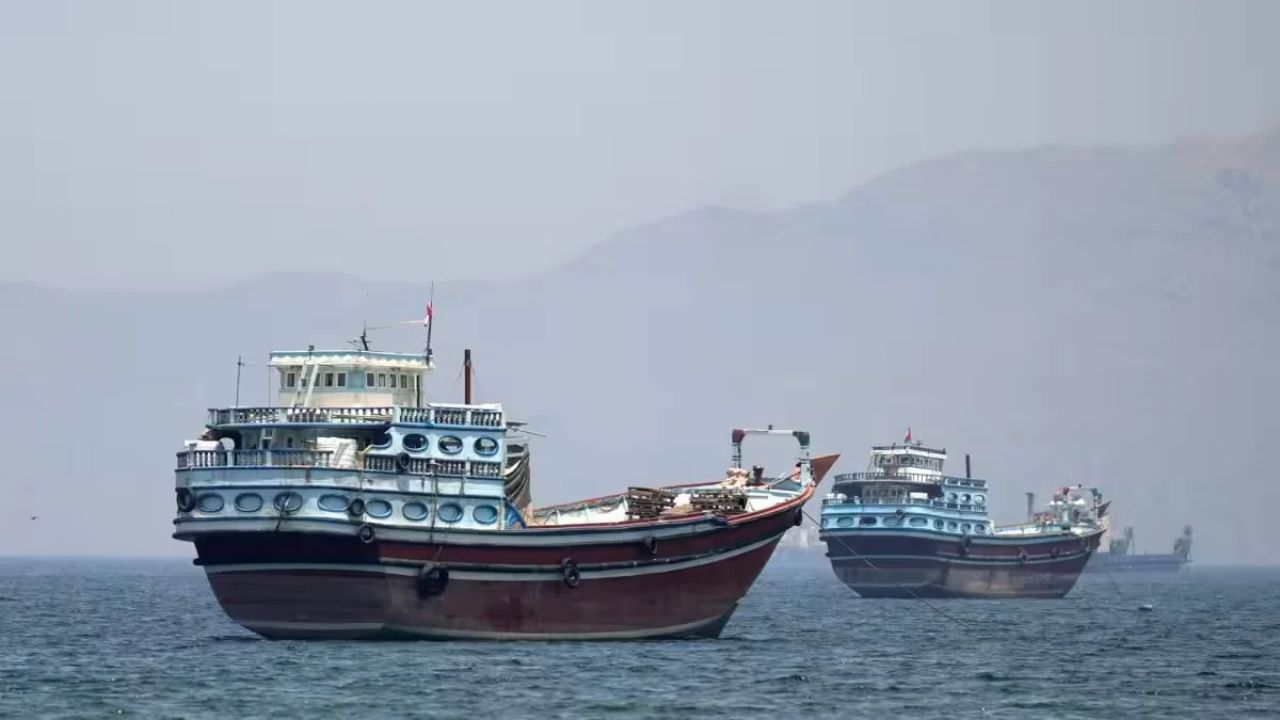
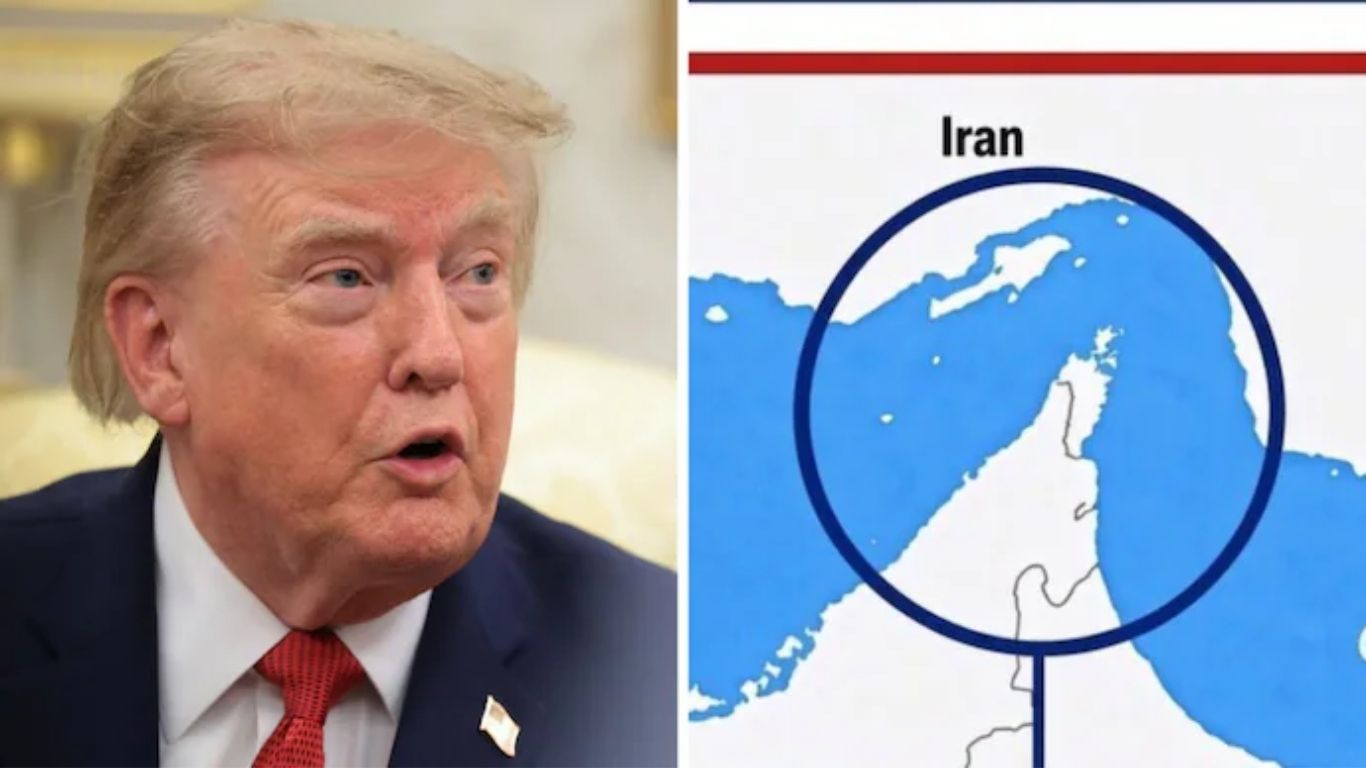
The reported strike is particularly significant due to its proximity to the Strait of Hormuz, one of the world’s most crucial oil transit routes. A substantial portion of global energy supplies passes through this narrow waterway, making it a focal point in geopolitical tensions.
Iran has previously warned of potential disruptions in the strait in response to military pressure, raising concerns about global oil markets and shipping security.
Pakistan claims role in US-Iran Backchannel Talks, Dismisses Media Speculation on Peace Process
If confirmed, the targeting of a senior IRGC naval commander would represent a major escalation, potentially drawing wider regional actors into the conflict. The ongoing exchange of strikes and strong rhetoric from both sides has already heightened concerns about broader instability in West Asia.
With tensions continuing to rise, international observers are closely monitoring developments, particularly their implications for regional security and global energy supplies.