English
 English

Why Rubio chose Mumbai and Jamnagar over Delhi (Img: IANS)
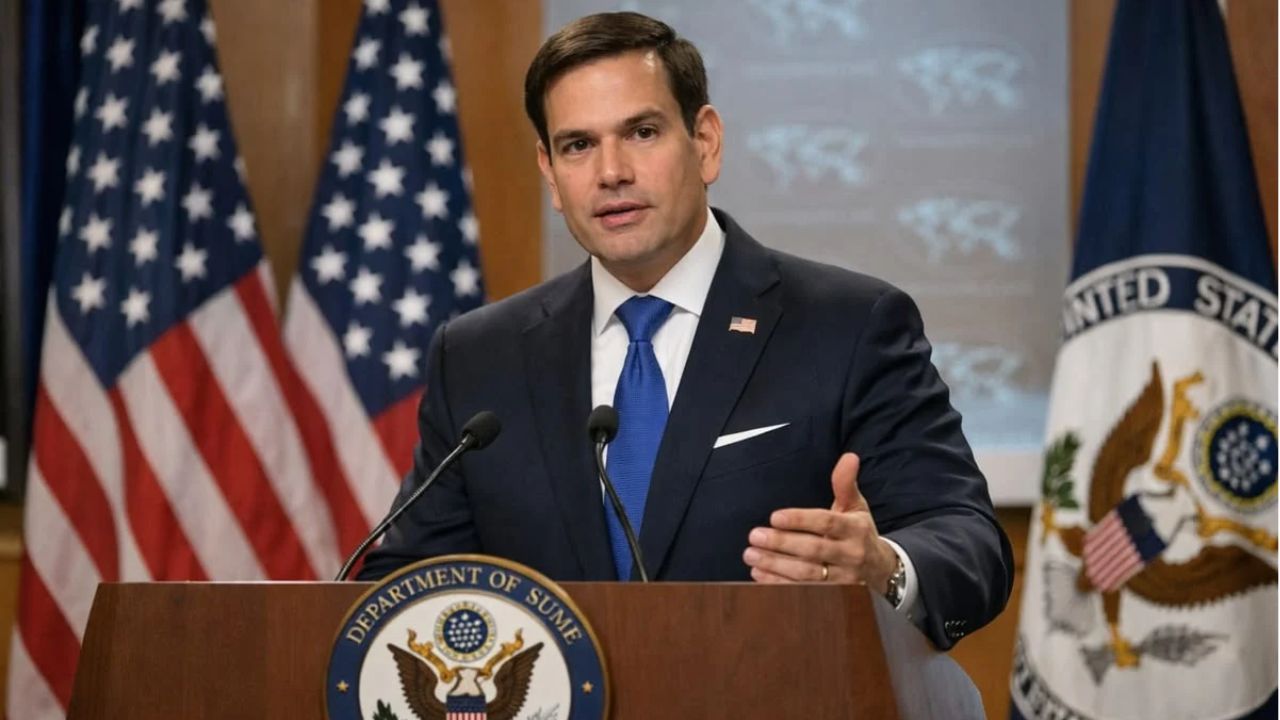
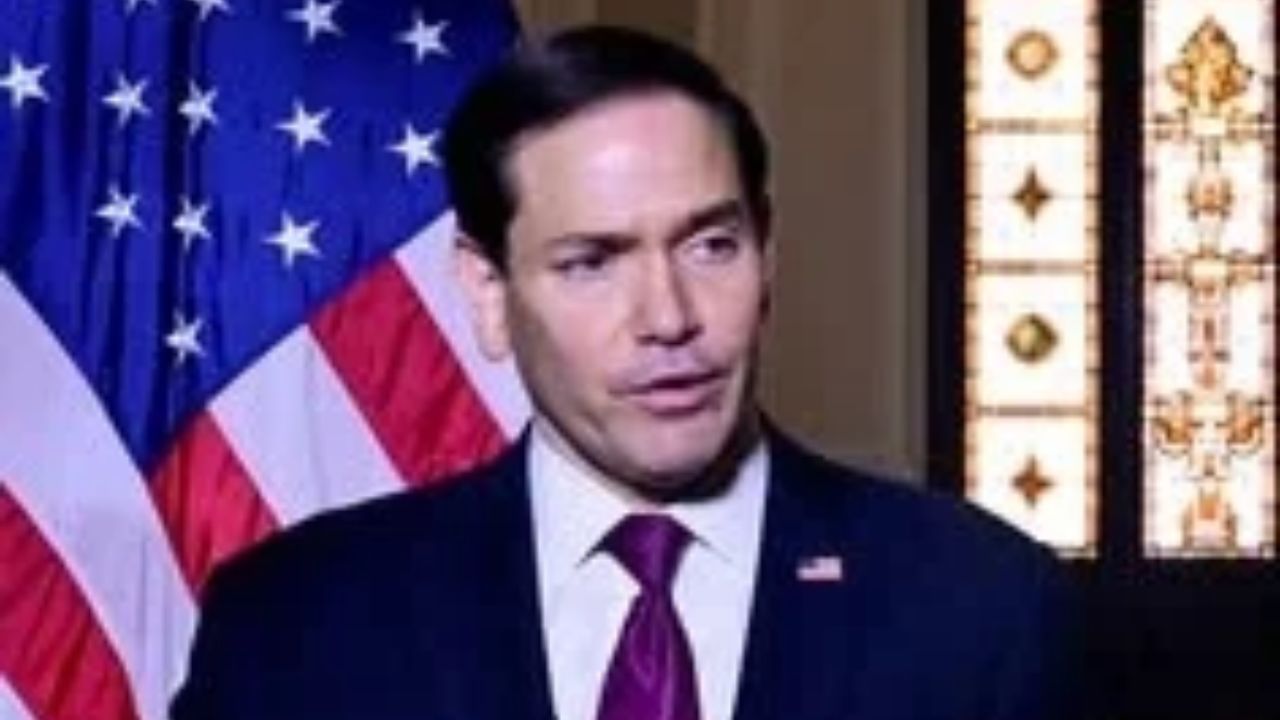
New Delhi: US Secretary of State Marco Rubio’s upcoming visit to India has drawn attention because his itinerary includes Mumbai and Jamnagar, Gujarat, but not New Delhi, the traditional centre of high-level diplomatic engagements.
The choice of destinations has raised questions about the purpose of the visit, the importance of energy and business ties, and what the itinerary signals about India-US relations under President Donald Trump.
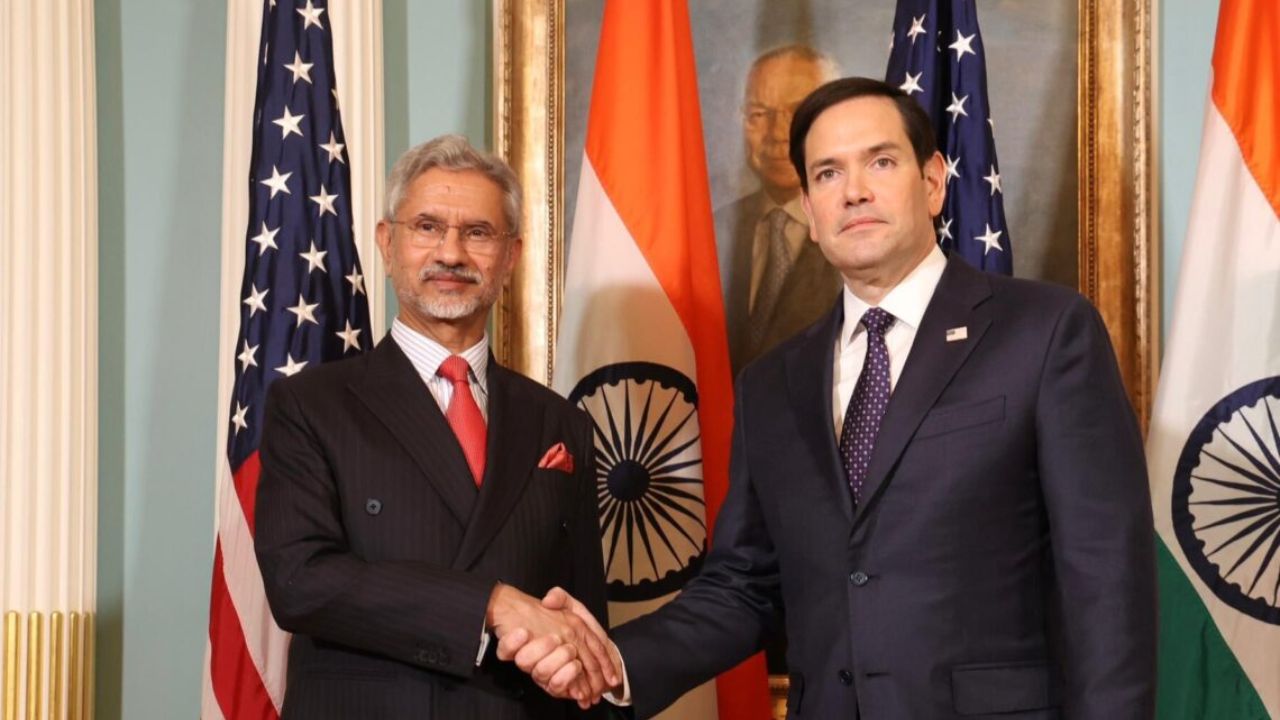
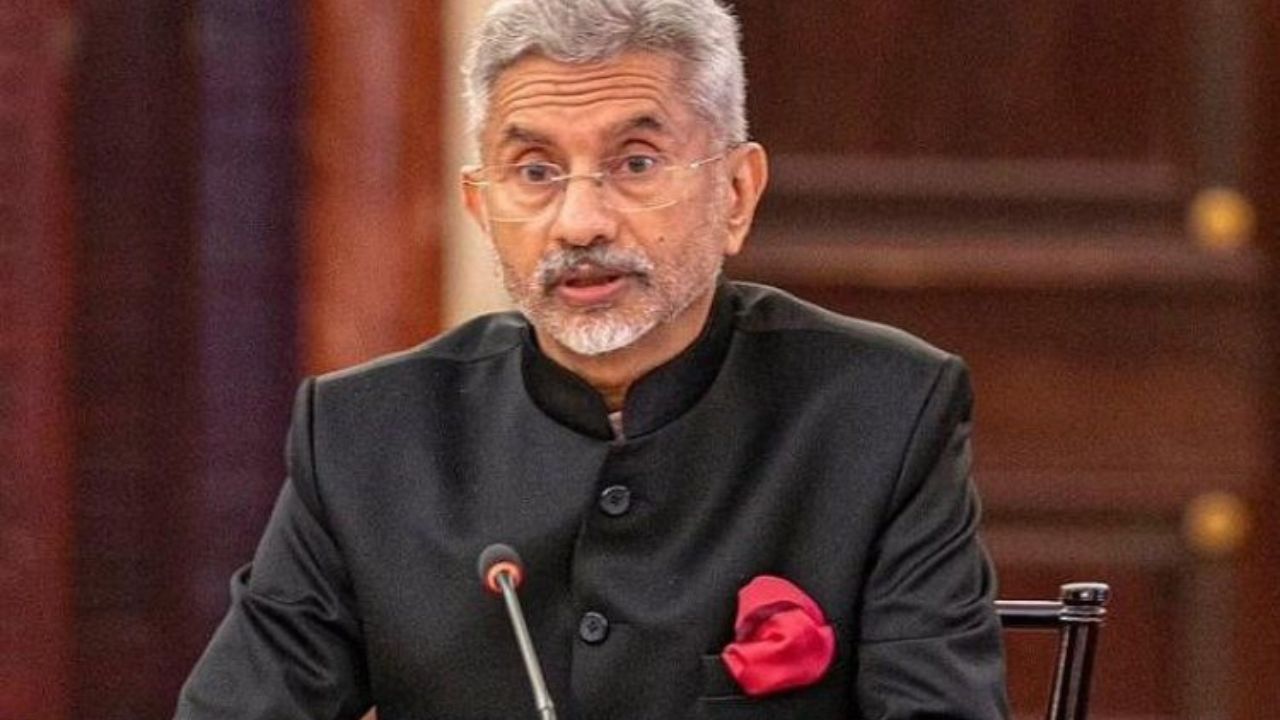
Rubio is scheduled to visit India from October 18 to 22 after travelling to Samarkand, Uzbekistan. His programme includes a meeting with External Affairs Minister S Jaishankar in Mumbai on October 20, followed by engagements involving Reliance Industries in Jamnagar.
Official bilateral talks involving a visiting US secretary of state would traditionally be expected to take place in New Delhi, where India’s central government and Ministry of External Affairs are based. Rubio’s decision to meet Jaishankar in Mumbai has therefore attracted attention.
However, diplomatic visits are not always confined to national capitals. Meetings may be organised in other cities when business engagements, sector-specific discussions or visits to major industrial facilities form an important part of the programme.
Mumbai, India’s financial capital, is home to major corporations, financial institutions and business leaders. Jamnagar, meanwhile, houses Reliance Industries’ vast refining complex, owned by billionaire Mukesh Ambani.
Rubio is expected to visit the refinery and meet Reliance representatives. The inclusion of Jamnagar points to the importance of energy and investment in the broader agenda, although the precise details of those discussions have not been publicly outlined.
The controversy gained momentum after US Ambassador to India Sergio Gor outlined plans for meetings in Mumbai. Opposition leaders questioned why Jaishankar would travel outside the national capital to meet the visiting secretary of state.
Under established diplomatic practice, official visits are generally coordinated between the host country’s foreign ministry and the visiting government. The itinerary takes into account the purpose of the visit, the level of the meetings and any additional official or commercial engagements.
Private-sector visits can be arranged alongside formal diplomatic talks, particularly when a visiting official is expected to meet business leaders or inspect major industrial facilities. Such engagements may influence the choice of city without necessarily changing the status of the official discussions.
The Indian government has pushed back against criticism over the venue, maintaining that hosting foreign dignitaries outside New Delhi is not unprecedented, particularly when visits involve business or sector-specific engagements.
The location has nevertheless become a point of political debate, with critics questioning the optics of the arrangement.
The Jamnagar stop is likely to attract particular interest because of Reliance Industries’ position in the global energy market.
The refinery is one of the world’s largest single-site refining complexes and plays a significant role in international oil processing and trade. A visit there provides an opportunity to engage with a major private-sector player at a time when energy security and investment are important issues for Washington and New Delhi.
The focus on Reliance also highlights the role of private companies in the economic relationship between the two countries. Energy, technology and investment have become important areas of engagement, alongside traditional government-to-government diplomacy.
Rubio’s programme is expected to cover energy cooperation, trade and investment, as well as the wider strategic partnership. The Jamnagar visit could offer an opportunity to discuss commercial interests, although the specific outcomes will depend on the meetings themselves.
Rubio’s visit comes at a sensitive time for bilateral relations. Differences over trade, tariffs and India’s energy ties with Russia have complicated efforts to strengthen economic cooperation.
Both countries continue to have significant shared interests in defence, technology, regional security and investment. However, disagreements over trade terms and energy policy have created challenges that require sustained diplomatic engagement.
The Mumbai meeting is expected to provide an opportunity for Jaishankar and Rubio to discuss regional and global developments and explore ways to advance cooperation. The talks will also take place against the backdrop of questions over how both governments manage disagreements while preserving the wider partnership.
India remains an important partner for the United States because of its economic potential, democratic institutions and growing role in regional and global affairs.
Cooperation extends across defence, information technology, professional services, investment and emerging technologies. These shared interests provide a strong basis for continued engagement despite differences over individual policies.
Rubio’s visit will therefore be assessed not only on the choice of Mumbai and Jamnagar over New Delhi, but also on the substance of his discussions with Jaishankar and business representatives.
Ultimately, the significance of the itinerary will depend on whether the visit advances cooperation on energy, trade, defence and technology while helping both countries manage their current differences.