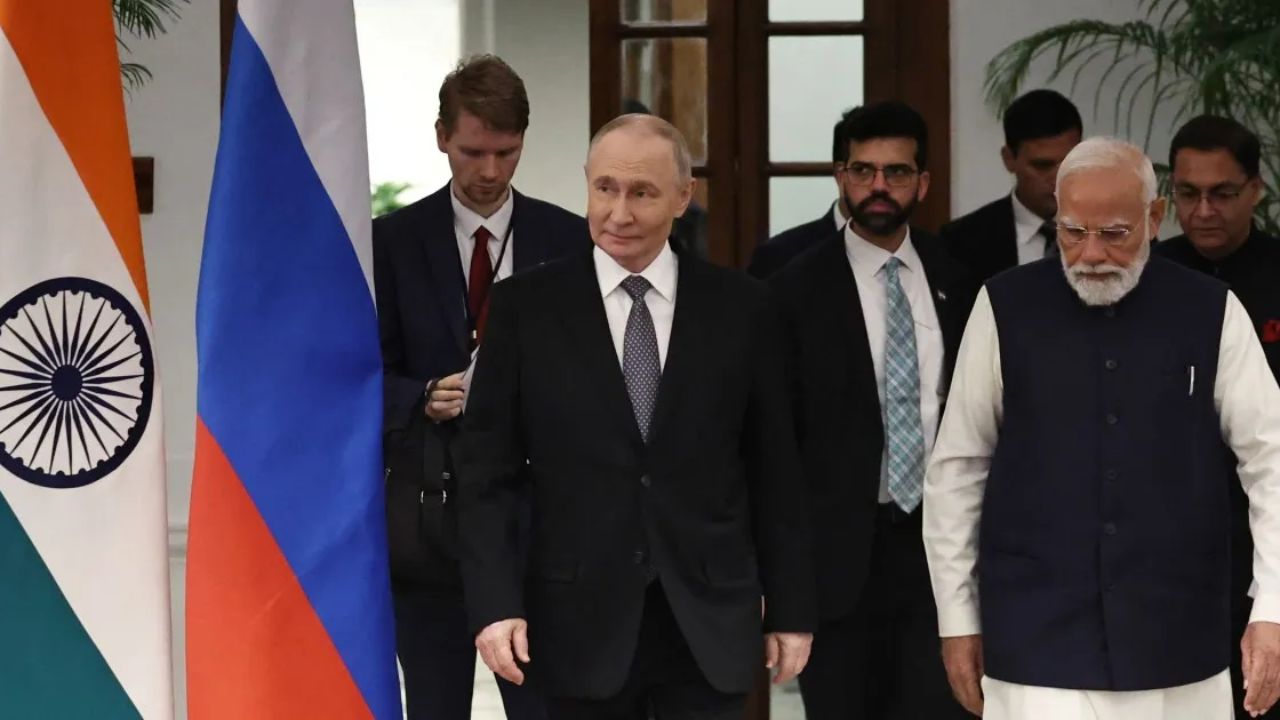
Russia Steps In to Secure India’s Oil (Image Source: Internet)
New Delhi: In a dramatic escalation of the ongoing US-Iran war, Iran launched a ballistic missile toward Turkey on Wednesday. The missile reportedly passed through Iraqi and Syrian airspace before being intercepted by NATO air defense systems deployed in the eastern Mediterranean. Debris from the interceptor fell in Turkey’s southern Hatay province, but no casualties were reported.
NATO spokesperson Allison Hart condemned the strike, stating that the alliance stands firmly with Turkey against what it described as Iran’s reckless regional aggression. Turkey’s Defense Ministry confirmed the interception and emphasized that NATO members are not directly participating in the war, nor have they permitted their airspace to be used for attacks on Iran.
This marks the first time Turkey has been directly affected in the five-day-old conflict, signaling a dangerous geographic expansion of hostilities.
As fighting intensifies, maritime traffic through the Strait of Hormuz — one of the world’s most critical oil export routes — has been severely disrupted following Iranian retaliatory actions and reported ship collisions.
India, which processes approximately 5.6 million barrels of crude oil daily, could face supply concerns if the conflict drags on. Around 40% of India’s crude imports typically pass through the Strait of Hormuz, making the situation particularly sensitive.
Although Indian officials say the country currently holds enough reserves to meet about 25 days of demand, contingency planning is underway should the war persist.
Amid these uncertainties, Russia has stepped forward offering to increase crude oil supplies to India. According to industry sources, nearly 9.5 million barrels of Russian crude are already near Indian waters and could reach refineries within weeks.
Sources suggest Russia is prepared to meet up to 40% of India’s crude requirements if necessary. Russian crude imports to India had dropped to around 1.1 million barrels per day in January — the lowest since late 2022 — but reportedly rebounded to nearly 30% of total imports in February.
However, any significant increase in purchases will depend on guidance from the Indian government, especially as trade negotiations with the United States continue.
With NATO now indirectly involved through missile interception, Gulf shipping lanes under pressure, and global energy markets reacting nervously, the US-Iran conflict is rapidly evolving into a broader regional crisis.
Turkey’s involvement, Russia’s strategic oil offer, and India’s energy calculations illustrate how this war is reshaping geopolitical alignments far beyond the battlefield.

