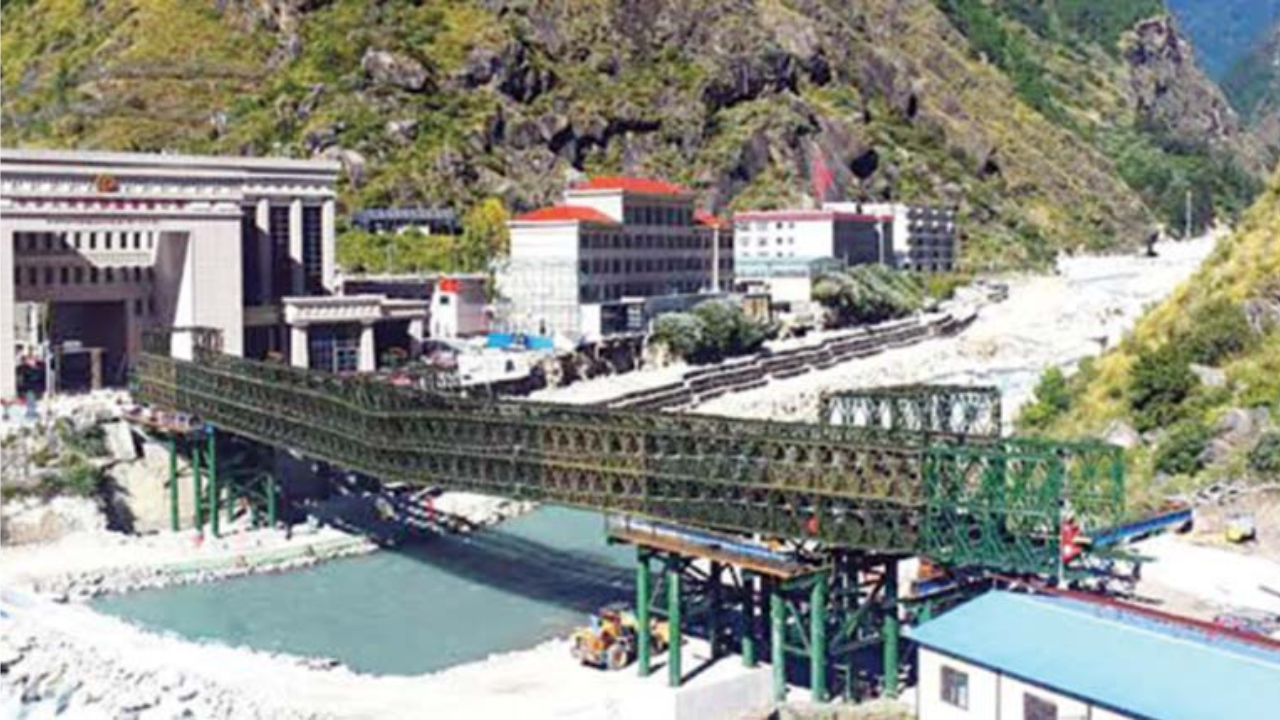
Nepal Floods: Kailash Pilgrims Stranded on Rasuwa Route
Kathmandu: The devastating flash floods in Nepal’s Rasuwa district have turned a major pilgrimage corridor into a disaster zone, leaving hundreds of tourists and religious travellers stranded or missing. The tragedy has drawn attention to the Rasuwa-Rasuwagadhi route, a popular gateway used by thousands of Kailash Mansarovar pilgrims travelling from Nepal to Tibet every year.
The flood disaster has raised serious questions about safety along Himalayan pilgrimage routes, especially as thousands of Indian devotees increasingly prefer Nepal-based private tours due to easier bookings, flexible travel options and fewer restrictions compared to government-organised routes.
Among those affected are several Indian nationals travelling towards Mount Kailash and Lake Mansarovar. Rescue agencies from Nepal and India are working to trace missing travellers, restore connectivity and provide emergency assistance in the flood-hit mountain region.
The Rasuwa-Rasuwagadhi corridor has become one of the busiest routes for pilgrims heading towards the sacred Mount Kailash and Lake Mansarovar in Tibet.
The route gained popularity because it offers an alternative to the limited government-managed Kailash Mansarovar Yatra. Unlike the official pilgrimage programme conducted through India’s Ministry of External Affairs, private Nepal routes allow travellers to book packages through tour operators without a yearly lottery system.
According to reports, more than 13,500 religious tourists and pilgrims travelled through the Rasuwa route during the 2025-26 period, marking a significant rise from previous years.
The lower travel restrictions, availability of customised packages and comparatively convenient road connectivity have made the route attractive among Indian pilgrims, NRIs and foreign tourists.
However, the same Himalayan landscape that makes the journey spiritually and visually unique also creates major risks. The route passes through narrow valleys, steep mountain roads and river corridors that are highly vulnerable to flash floods and landslides.
The Nepal route usually begins from Kathmandu, where private travel operators organise groups and complete documentation for Tibet entry. From Kathmandu, pilgrims travel north through Himalayan towns including Trishuli, Dhunche, Syabrubesi and Timure before reaching the Rasuwagadhi border checkpoint.
The Rasuwagadhi crossing acts as a major bridge between Nepal and China’s Tibet Autonomous Region. After crossing into Tibet through Gyirong, pilgrims continue towards Darchen, the base area for the Kailash Parikrama.
The complete journey generally takes around 10 to 14 days, depending on weather conditions, road accessibility, permits and travel arrangements.
For many devotees, this route provides a faster and more accessible path compared to traditional routes, but the recent floods have highlighted the dangers of depending on fragile Himalayan infrastructure.
The Rasuwa disaster occurred in one of Nepal’s most sensitive mountain regions, where rivers, glaciers and unstable slopes create frequent challenges during the monsoon season. The flash floods damaged roads, bridges, settlements and communication networks, cutting off several areas along the Nepal-Tibet border.
Mountain experts have repeatedly warned that extreme weather events in the Himalayas are becoming more frequent due to changing climate patterns. Heavy rainfall, sudden cloudbursts and rapid river swelling can transform normal travel routes into dangerous zones within hours.
For pilgrims travelling at high altitudes, such situations create additional risks because rescue operations become difficult due to difficult terrain and limited connectivity.
The Indian government officially organises the Kailash Mansarovar Yatra through two routes — the Lipulekh Pass route in Uttarakhand and the Nathu La Pass route in Sikkim.
The Lipulekh route involves challenging Himalayan trekking conditions and usually takes around three weeks to complete. The Nathu La route provides better road connectivity but also requires more than 20 days. The Ministry of External Affairs facilitates the pilgrimage for around 1,000 Indian citizens every year through a computerised selection process.
Because of limited seats and high demand, many devotees unable to secure government slots choose private operators based in Nepal. These private routes provide greater flexibility but usually cost more, with packages starting around ₹3 lakh depending on facilities, transportation and accommodation options.
The flood tragedy has created panic among families waiting for updates about their relatives travelling through the Rasuwa corridor. Several pilgrimage groups reportedly lost contact after floodwaters damaged roads and communication links in the border region.
Many affected travellers include Indians who had joined private Kailash Mansarovar packages operated from Nepal. The uncertainty has increased emotional distress among families as rescue teams continue searching remote areas and restoring communication channels.
Indian authorities have been coordinating with Nepalese agencies to identify stranded citizens and provide assistance to those affected.
Following the disaster, Nepal deployed security forces, rescue teams and helicopters to search for missing people and assess the damage. The Nepal Army, Nepal Police and disaster response agencies have been working in difficult Himalayan conditions to reach isolated areas.
Several highways and border routes were affected, making transportation and relief operations challenging. The floods also damaged important infrastructure, including hydropower facilities and transmission networks in northern Nepal. Authorities have warned that the full extent of destruction may become clear only after rescue teams gain access to remote locations.
India has activated emergency coordination mechanisms following the disaster and is working closely with Nepal authorities to support rescue and relief operations.
The Indian Embassy in Kathmandu has established communication channels for citizens affected by the floods and families seeking information.
The Indian government has also dispatched humanitarian assistance, including essential supplies, medicines and relief material, to support Nepal’s recovery efforts.
The cooperation between both countries highlights the importance of India-Nepal coordination during natural disasters, especially in the Himalayan region where communities and travellers frequently cross borders.
The Rasuwa corridor represents the growing demand for alternative pilgrimage routes to Mount Kailash. For thousands of devotees, the route offers easier access to one of the world’s most sacred destinations. Mount Kailash holds deep religious significance among Hindus, Buddhists, Jains and followers of the Bon tradition.
But the flood disaster has also exposed the risks involved in travelling through high-altitude Himalayan corridors. The region’s geography makes it vulnerable to sudden weather changes, landslides and natural disasters. Unlike urban travel routes, emergency response in these remote mountain areas often faces delays due to distance, terrain and limited infrastructure.
The Nepal floods are likely to trigger fresh discussions about safety measures for Himalayan tourism and pilgrimage routes. Experts believe better weather monitoring systems, stronger infrastructure, emergency communication networks and stricter travel protocols could help reduce risks for future travellers.
For thousands planning the Kailash Mansarovar Yatra, the Rasuwa route will continue to remain an important gateway. However, the recent disaster has shown that spiritual journeys through the Himalayas require not only faith and determination but also improved safety preparedness.
As rescue operations continue, authorities are focusing on finding missing travellers, restoring connectivity and ensuring that such a tragedy does not repeat along one of Asia’s most important pilgrimage corridors.

