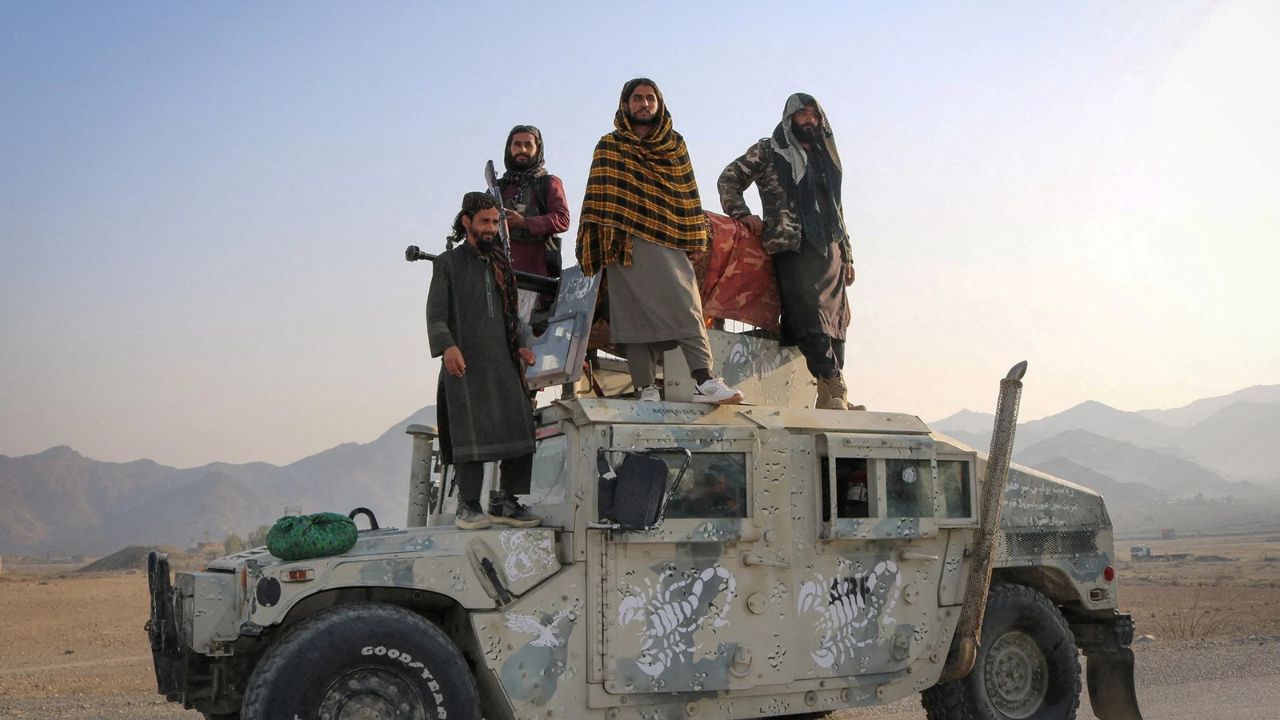
Pakistan’s airstrikes in Afghanistan spark debate over changing security strategy and regional tensions (Images: X)
Islamabad/Kabul: Pakistan’s military actions inside Afghanistan have brought renewed attention to Islamabad’s decades-old security approach towards its western neighbour, with analysts examining whether the concept of “strategic depth” has lost its relevance. A recent report highlighted that Pakistan’s increasing reliance on direct military action reflects growing difficulties in influencing Afghanistan’s current leadership and addressing security concerns linked to militant groups operating near the border.
The report published by Parrhesia News, discussed how Pakistan’s approach towards Afghanistan has shifted from seeking influence to conducting military operations.
According to the report, the United Nations Assistance Mission in Afghanistan (UNAMA) has documented civilian deaths following Pakistani airstrikes in Afghanistan. The report cited September strikes in Kunar province, where a man, a woman and a girl were reportedly killed. Pakistani authorities have maintained that their operations targeted militant hideouts and members of the Tehreek-e-Taliban Pakistan (TTP).
However, the report noted that while Pakistan has claimed militant targets, independent verification of those claims remains limited, while civilian casualties have been documented.
Pakistan has repeatedly stated that its cross-border operations are aimed at preventing militant attacks and targeting armed groups operating from Afghan territory. The report noted that Islamabad argues its actions are focused on security threats, while critics have raised concerns over civilian harm and the effectiveness of such operations.
It also highlighted that military strikes alone have not ended security challenges linked to militant activities along the Pakistan-Afghanistan border.
The report connected Pakistan’s Afghan policy with the ongoing challenge posed by the Tehreek-e-Taliban Pakistan (TTP) particularly in Khyber Pakhtunkhwa. It stated that continued militant violence has created pressure on Pakistan’s security establishment and raised questions about its ability to achieve long-term stability. According to the report, military responses provide a short-term demonstration of action, but do not necessarily address the broader political and security challenges.
The report suggested that Pakistan’s relationship with Afghanistan has entered a difficult phase, with tensions increasing despite historical links between Islamabad and Afghan groups. It argued that military operations have become a tool to send messages both externally and domestically while questions remain over their long-term impact.
The situation highlights the complicated security relationship between the two neighbours where border militancy, political influence and regional stability continue to remain major issues.

