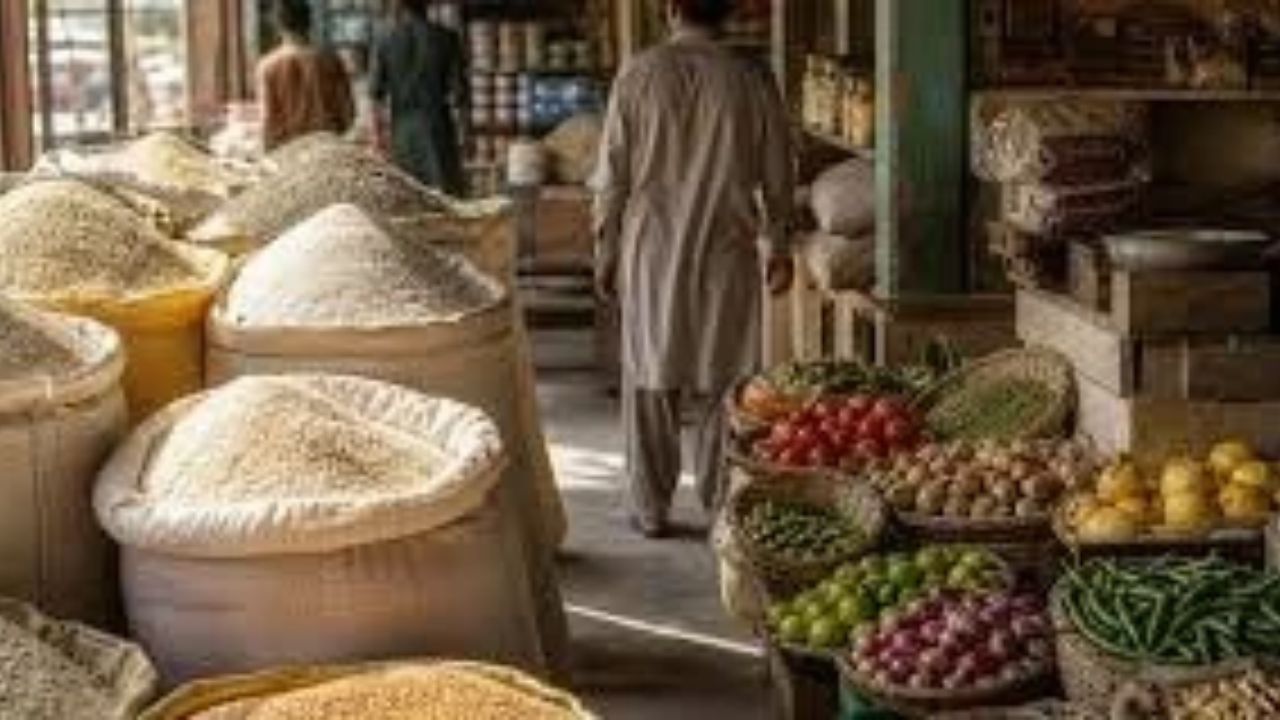
Pakistan’s Food Supply Falls Short as Hunger and Malnutrition Remain Major Concerns (Images: X)
Islamabad: Pakistan’s food supply is falling short of the country’s own dietary guidelines, with major gaps in fruits, vegetables, pulses and other nutritious foods, according to a policy brief by the Food and Agriculture Organization (FAO). The findings raise fresh concerns about food affordability, malnutrition and the growing pressure on Pakistan’s agricultural system.
More than 60 percent of Pakistan’s population cannot afford a healthy diet, according to a report as per the FAO brief. At the same time, supplies of cereals and sugar exceed recommended dietary requirements, highlighting a mismatch between the food available and the nutritional needs of the population.
Pakistan introduced its food-based dietary guidelines in 2018 to encourage healthier eating. However, the FAO analysis suggests that translating those recommendations into reality remains a challenge because many people lack access to affordable, diverse and nutritious food. The report compared Pakistan’s annual food supply with estimated requirements across 10 food groups between 2010 and 2023. It found persistent shortages in several important categories, particularly fruits, vegetables, pulses, roots and tubers.
The imbalance is significant because access to a varied diet is essential for adequate nutrition. Limited availability and affordability of healthy foods can contribute to malnutrition, while unhealthy dietary patterns are associated with a rising burden of diet-related non-communicable diseases.
The FAO brief highlighted widening gaps in the supply of fruits and vegetables over the 2010–2023 period. Pakistan’s vegetable supply shortfall increased from an estimated 10.9–17.8 million tonnes in 2010 to 13–21.6 million tonnes in 2023. The gap in fruit supplies also widened, rising from approximately 1.9–10.3 million tonnes in 2010 to 3.9–14.3 million tonnes in 2023.
By contrast, the availability of milk and dairy products, meat and eggs showed improvement during the period. However, progress in these categories has not eliminated the broader imbalance in the national food supply. The findings underline the need to ensure that nutritious foods are not only produced in sufficient quantities, but are also distributed efficiently and remain affordable for households.
Pakistan’s rapidly growing population is expected to increase pressure on its agricultural and food distribution systems. The population rose from 189.3 million in 2010 to 235.2 million in 2023 and is projected to reach approximately 330 million by 2050. Climate change and other agricultural challenges could add to the strain, making it more difficult to maintain a reliable supply of nutritious food.
To address these problems, FAO has called for coordinated fiscal and regulatory measures to align agricultural production and trade priorities with nutritional needs. Its recommendations also include improving food distribution, reducing post-harvest losses and food waste, and encouraging greater demand for healthier foods.
The food supply findings come amid wider concerns about hunger and malnutrition in Pakistan. According to the Global Hunger Index 2026 figures cited in the supplied reports, Pakistan recorded a score of 25.5 and ranked 106th among 122 countries. The index classified the country’s hunger level as serious.
Pakistan ranked behind Afghanistan in South Asia, with Afghanistan recording a score of 28.6. Pakistan’s score has nevertheless improved from 36.2 in 2002 to 25.5 in 2026, indicating progress over the longer term despite continuing challenges.
The index assesses hunger using four indicators: undernourishment, child stunting, child wasting and child mortality. Together, the findings point to a central challenge for Pakistan: increasing food production alone may not be enough. Improving access to affordable, diverse and nutritious food will also be essential to tackling hunger and malnutrition as the country’s population grows.

