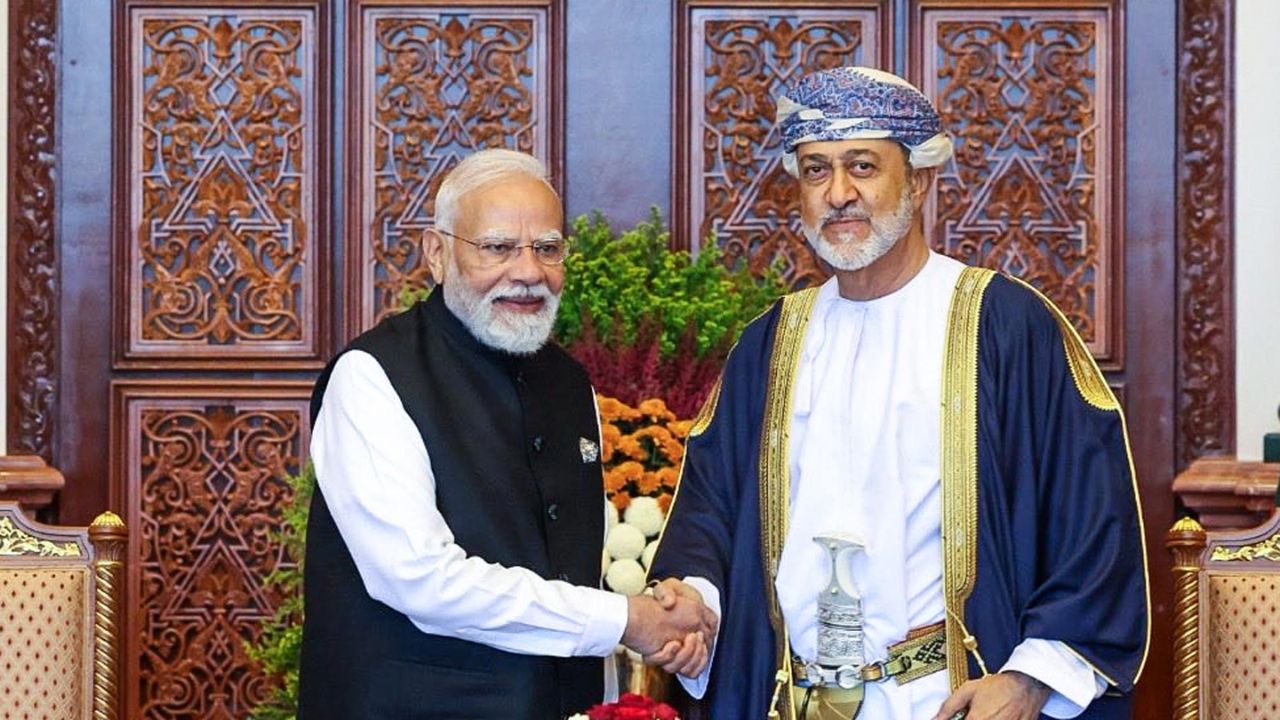
PM Modi speaks to Sultan of Oman
New Delhi: Prime Minister Narendra Modi on Thursday held a telephonic conversation with Haitham bin Tariq to discuss the evolving situation in West Asia, amid rising regional tensions and concerns over energy security.
During the conversation, both leaders emphasised the need for dialogue and diplomacy to ease tensions and restore stability in the region. PM Modi reiterated India’s position that peaceful engagement remains essential to resolving the ongoing conflict. He also conveyed Eid greetings to the Sultan and the people of Oman, underlining the strong bilateral ties between the two nations.
‘Urgent Need For De-Escalation’: PM Modi Speaks To French President Macron On West Asia Conflict
The Prime Minister condemned attacks affecting Oman’s sovereignty and territorial integrity. He also appreciated Oman’s efforts in facilitating the safe return of people, including Indian nationals, amid the ongoing crisis.
Had a productive conversation with my brother Sultan Haitham bin Tariq and conveyed advance Eid greetings to the people of Oman.
We agreed on the need to prioritize dialogue and diplomacy for de-escalation and subsequent restoration of peace and stability.
Reiterated India’s…
— Narendra Modi (@narendramodi) March 19, 2026
The remarks come as the conflict in West Asia continues to intensify, with multiple reports of strikes targeting critical infrastructure across the region.
Both leaders highlighted the importance of ensuring safe and free navigation through the Strait of Hormuz, a key global energy corridor.
Disruptions in the Strait have raised concerns over global oil and gas supplies, as a significant portion of the world’s energy trade passes through this route.
This marks PM Modi’s third interaction with Gulf leaders in recent days. He had earlier spoken with the Crown Prince of Kuwait and the President of the United Arab Emirates, discussing similar concerns over regional stability and energy security.
The latest diplomatic outreach comes against the backdrop of escalating conflict in West Asia. Military strikes and counter-strikes have targeted energy infrastructure and strategic sites, raising fears of a wider regional crisis.
With maritime routes affected and global energy prices under pressure, world leaders are increasingly calling for restraint and renewed diplomatic efforts to prevent further escalation.

