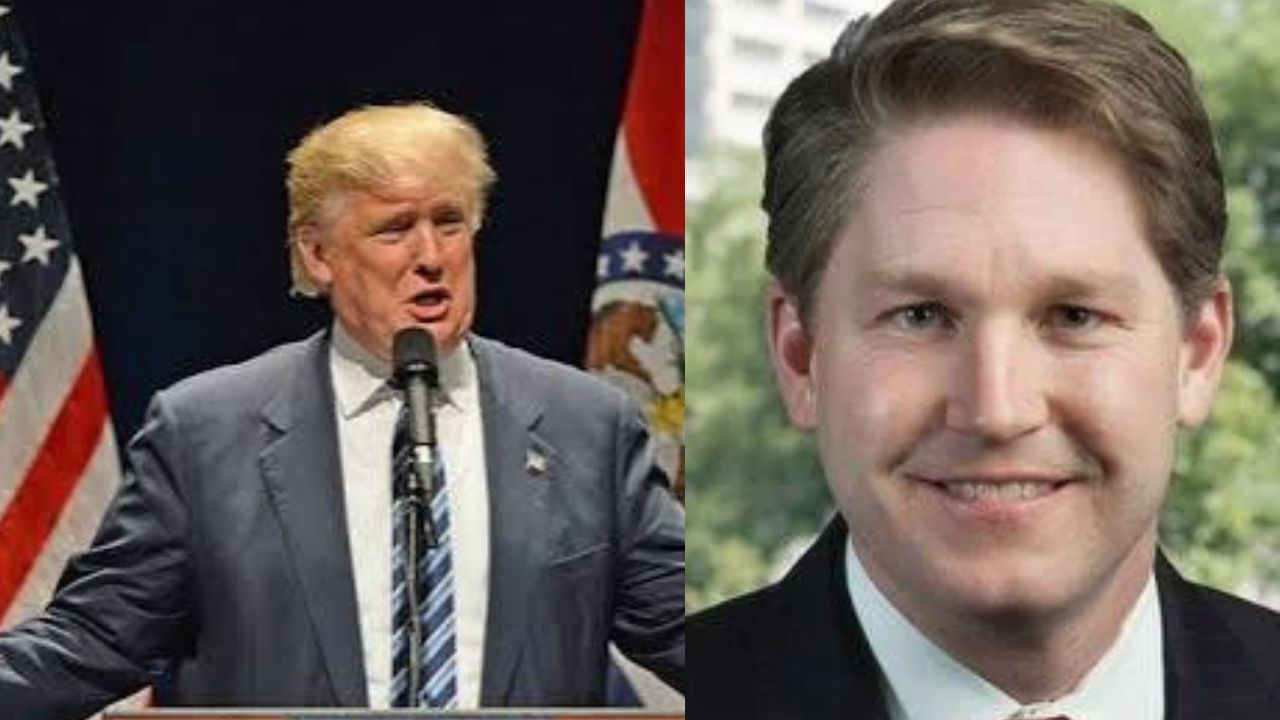
Trump administration’s mail-in voting rules face another legal setback ahead of US midterm elections. (Img: Google)
Washington DC: A second federal judge in the United States has stopped the Trump administration from enforcing new rules that would place additional restrictions on mail-in voting ahead of the 2026 midterm elections.
The latest order was issued by US District Judge Carl J Nichols in Washington, D.C. It comes days after another federal judge in Boston had blocked the administration's rules, setting up another legal challenge that could eventually reach the US Supreme Court.
The rules stem from an executive order issued by President Donald Trump earlier this year concerning citizenship verification and election procedures. Under the new system, states would have to meet additional requirements before the US Postal Service (USPS) could process certain election-related mail.
Among other requirements, ballot envelopes would have to meet standards approved by the Postal Service. States would also be required to provide voter information through a new USPS online system. The rules further provide for a system under which ballots could be stopped from entering the mail if the required conditions were not met.
The federal courts have raised concerns that the changes could prevent otherwise valid ballots from being counted. The timing of the new requirements is a major issue. With the November midterm elections approaching, election officials have already begun preparing and, in some states, distributing mail ballots.
Judge Nichols' decision follows a similar ruling by US District Judge Indira Talwani in Massachusetts. She had earlier issued a preliminary injunction preventing the USPS from implementing key parts of the new rules for the 2026 elections.
The courts have also expressed concerns about whether the Postal Service has enough time and infrastructure to introduce such a major system before the elections.
The legal setbacks have continued at the appellate level. A federal appeals court recently upheld the Massachusetts judge's decision blocking the mail-voting restrictions.
The appeals court found that the administration's proposed requirements raised serious legal questions, including whether the President and the Postal Service had the authority to impose rules affecting election procedures traditionally handled by individual states.
The court also noted that the practical implementation of the rules could create serious difficulties because ballots were already being prepared and distributed in some states.
The dispute is now moving closer to the US Supreme Court. The Trump administration has asked the Supreme Court to intervene and allow the Postal Service to implement the contested rules while the broader legal battle continues.
The Supreme Court had earlier intervened in related litigation involving Trump's executive order, but that ruling dealt with procedural issues concerning whether the states had brought their challenge at the appropriate stage. The subsequent Postal Service rule led to fresh legal challenges.
The latest federal court order therefore adds another layer to an increasingly complex legal battle over the federal government's role in regulating election-related mail.
Mail-in voting is widely used across the United States, although the rules governing it differ from state to state. Opponents of the Trump administration's measures argue that introducing new federal requirements shortly before an election could cause confusion and result in legitimate ballots being rejected or delayed.
The administration, on the other hand, has defended the changes as measures intended to strengthen election security and prevent improper voting. The controversy has also drawn attention to the readiness of the Postal Service. A whistleblower has raised concerns about the rushed development of systems required under the new rules, while the USPS has maintained that it is capable of handling election mail.
The second federal injunction means the administration currently faces multiple judicial barriers to implementing its mail-ballot restrictions for the November elections.
With ballots already being distributed in some states and the Supreme Court considering related litigation, the dispute is likely to remain an important election-law issue in the weeks ahead.
At the centre of the case is a larger constitutional question is how far the federal executive branch can go in imposing uniform requirements on election procedures that have traditionally been administered by individual states.

