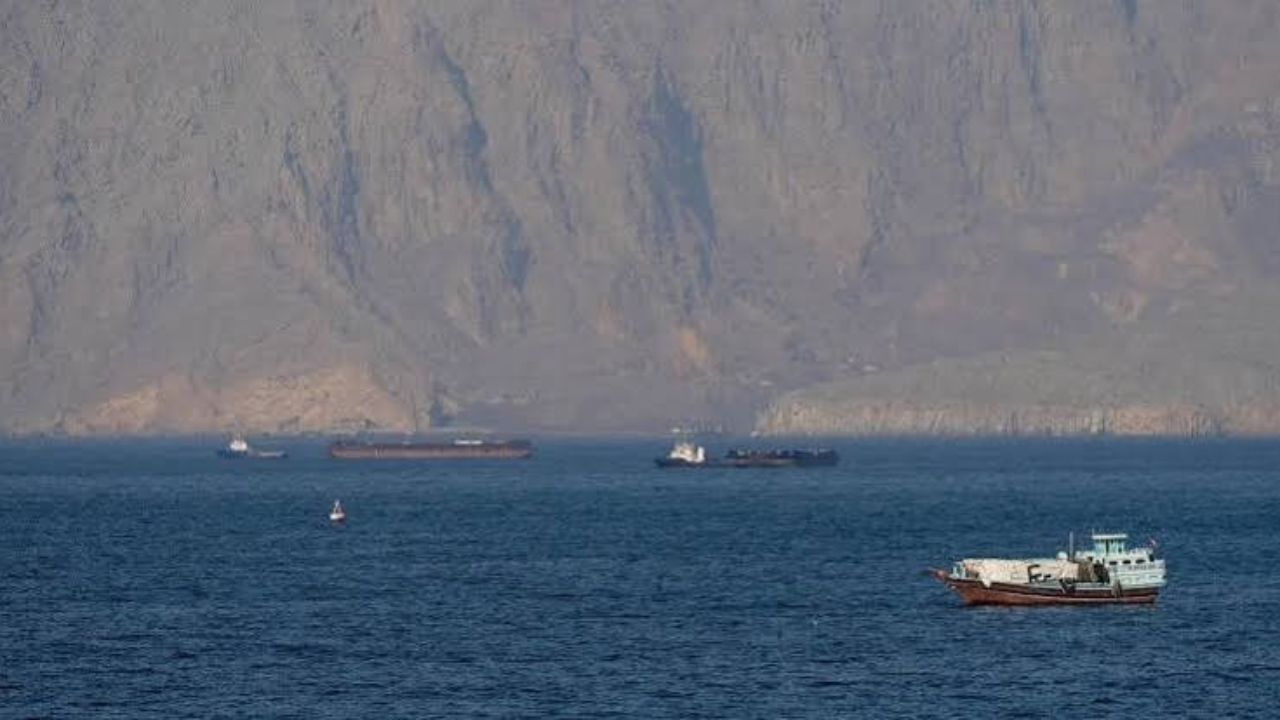
Deadly ship strike near Qeshm Island raises alarm over Gulf security. (Img: Pinterest)
Tehran: A merchant vessel was hit near Iran’s Qeshm and Hengam islands in the Strait of Hormuz, leaving one person dead and three injured, Iranian authorities said. The incident has intensified global concerns as the strategic oil route becomes a new flashpoint in the escalating Iran-US confrontation.
The attack has drawn international attention because the Strait of Hormuz is a critical gateway for global energy supplies, with any disruption threatening shipping operations, crude oil markets and regional security.
A commercial vessel was struck around 5:00 am local time near the waters between Hengam Island and Qeshm Island, according to Iranian officials. Qeshm Governor Amir Teymouri confirmed that one person was killed and three others were injured in the incident.
Authorities have not yet disclosed the exact origin of the strike or identified those responsible. The lack of clarity has increased speculation at a time when military tensions between Iran and the United States remain high.
Iranian state media reported that multiple explosions were heard overnight around Qeshm, the largest island located near the Strait of Hormuz. The incident has raised fresh questions over the safety of commercial shipping passing through the strategically important waterway.
The Strait of Hormuz is among the world’s most important maritime chokepoints, connecting the Persian Gulf with the Gulf of Oman and the Arabian Sea. A major share of global crude oil and natural gas shipments passes through this narrow waterway every day.
Any military escalation in the region can directly affect international energy prices, shipping insurance costs and global trade networks. Countries dependent on Gulf energy supplies closely monitor developments around the route.
The latest incident comes amid a prolonged confrontation between Tehran and Washington over control of the Strait of Hormuz. Iran has restricted vessel movement through the waterway, citing security concerns and national sovereignty. Tehran has introduced approval requirements for ships passing through the route and has discussed mechanisms for regulating maritime services.
The United States has opposed Iran’s restrictions and has continued military operations in the region to challenge Tehran’s influence over the strategic passage.
The UK Maritime Trade Operations (UKMTO) separately reported that a vessel travelling through the Strait of Hormuz was struck by an unidentified weapon. No immediate casualties or major damage were reported in that incident.
The latest developments have increased concerns among shipping companies, energy traders and governments over possible disruptions in one of the busiest commercial routes in the world.
A prolonged crisis around the Strait of Hormuz could have wider economic consequences. Rising risks in the region may impact crude oil prices, shipping costs and supply chains across Asia and other energy-importing regions.
India, one of the world’s largest energy consumers, also closely watches developments in the Gulf region because a significant portion of its oil imports comes through maritime routes connected to the Middle East.
International observers are closely monitoring whether the ship strike leads to further military escalation or diplomatic efforts to reduce tensions. With Iran and the US locked in a strategic confrontation, any additional attack on commercial vessels could increase pressure on global powers to intervene and secure safe passage through the Strait of Hormuz.

