 English
 English

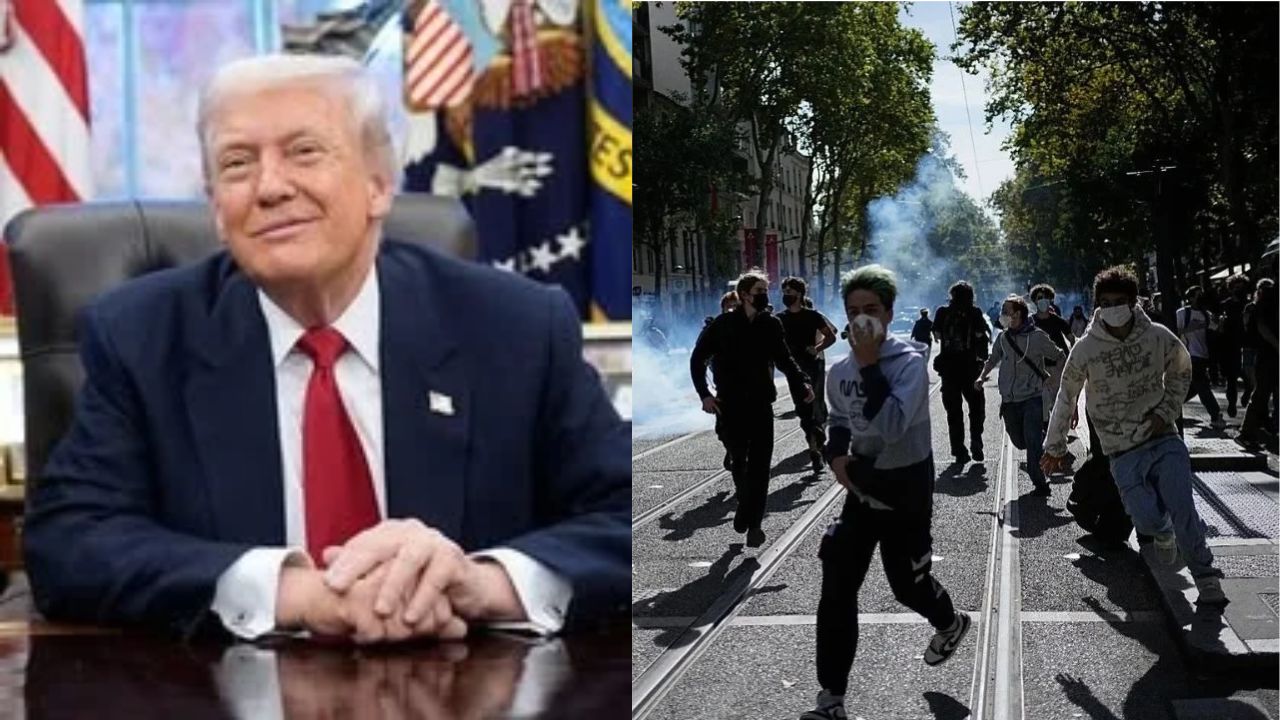
Trump rejects Volodymyr Zelensky’s criticism as Washington continues diplomatic engagement with Moscow over the Ukraine war. (Img: X)
Washington DC: US President Donald Trump has signalled his willingness to participate in a trilateral summit with Russian President Vladimir Putin and Chinese President Xi Jinping, provided the meeting focuses on nuclear disarmament. While ruling out any agreement to hold a three-way meeting specifically on the Ukraine war, Trump indicated that he would welcome discussions with the two leaders in China if denuclearisation were the central agenda.
Trump’s remarks come amid continuing diplomatic negotiations over the Russia-Ukraine war, renewed debate over Washington’s approach to Moscow, and escalating political tensions surrounding immigration and protests in France. His comments also underscore his preference for a negotiated settlement in Ukraine, even as Ukrainian President Volodymyr Zelenskyy continues to criticise the US administration’s approach to Russia and its sanctions policy.
On the prospect of meeting Putin and Xi, Trump said he would be willing to participate if the leaders wanted to convene a trilateral summit in China. He clarified, however, that he had not agreed to a three-way meeting specifically to discuss the Ukraine conflict, distinguishing the possibility of a nuclear disarmament initiative from the ongoing negotiations over the war.
The proposal, if pursued, would bring together the leaders of the United States, Russia and China to discuss one of the most consequential issues in global security: reducing nuclear risks and strengthening strategic stability among major powers. However, no confirmed date, venue or formal agenda for such a summit was announced in the remarks provided.
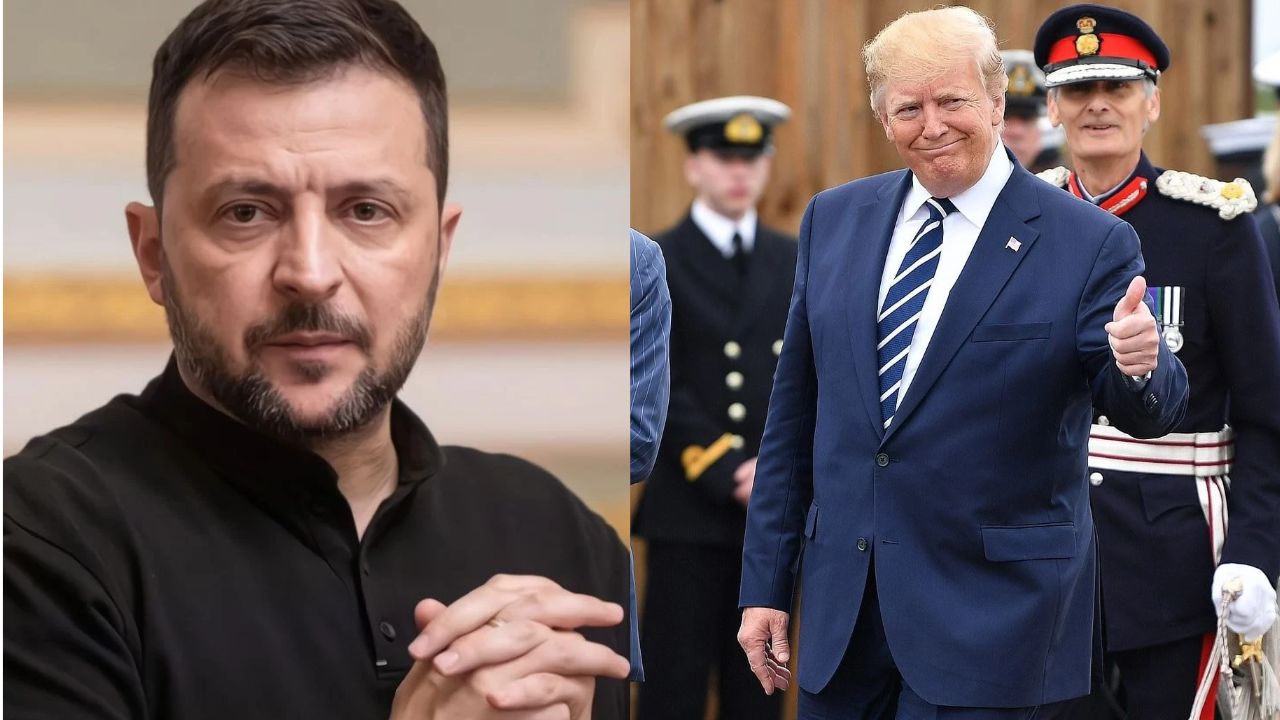
Trump strongly dismissed Zelenskyy’s criticism that the US president was on the wrong side of history and was effectively supporting Putin by easing sanctions against Russia. Trump maintained that his objective was to end the war rather than support either side, arguing that his administration was pursuing negotiations to bring the conflict to a close.
The US president also suggested that Zelenskyy should have reached a settlement much earlier and indicated that another representative should negotiate on Ukraine’s behalf. His comments signal continued friction between Washington and Kyiv over the terms of a potential peace agreement, the role of sanctions and the concessions required to secure a ceasefire or lasting settlement.
At the same time, Trump said he did not intend to disrupt ongoing negotiations with Putin. He stressed that discussions with Moscow were continuing and that he was not looking to interrupt the diplomatic process midway through negotiations.
The US president also defended the assistance Washington had provided to Ukraine, arguing that the United States had contributed substantially while receiving little in return. His remarks reflect the administration’s emphasis on burden-sharing, the cost of military and financial assistance, and the question of how Washington’s support should translate into progress towards a negotiated peace.
The statements did not establish that Ukraine had agreed to any proposed settlement or that a change in its negotiating representation was imminent. They instead highlighted Trump’s growing public frustration with Zelenskyy and his determination to pursue a diplomatic outcome on terms he considers achievable.
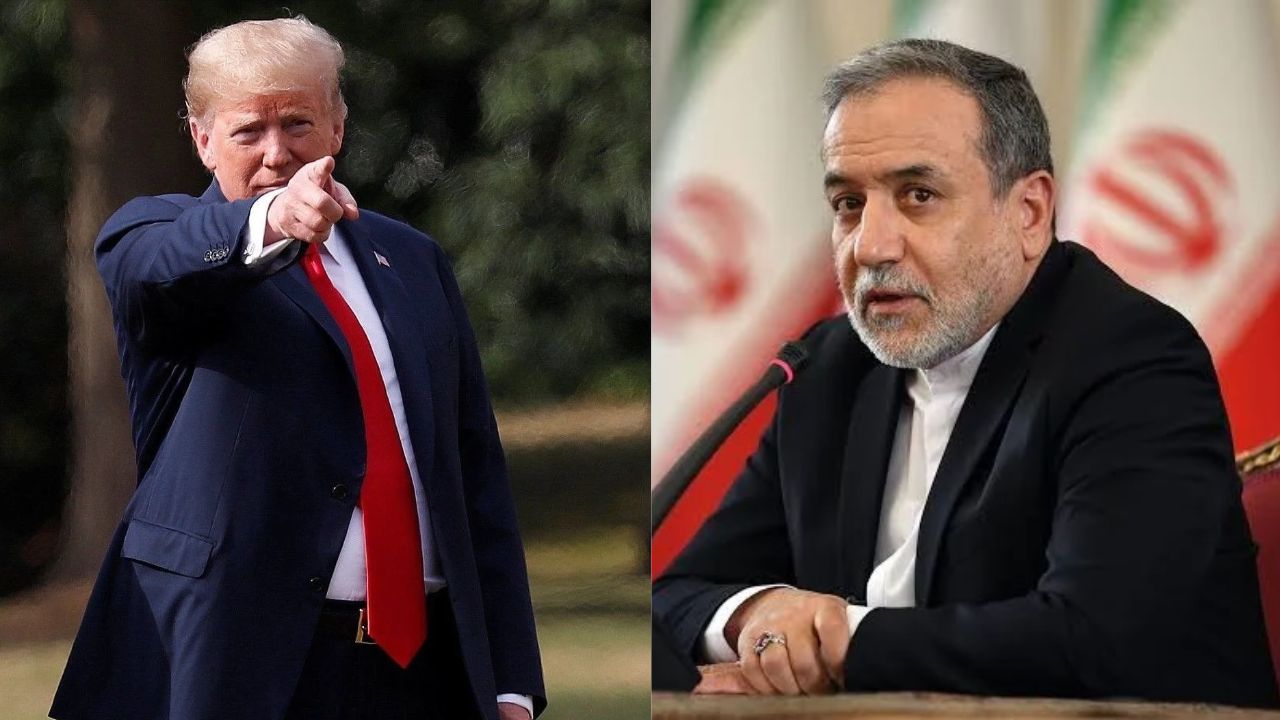
In a separate assessment of the geopolitical situation involving Iran, Trump said Russia and China had provided far less assistance to Tehran than they could have offered. He suggested that Moscow and Beijing had exercised restraint rather than extending substantial support to Iran during its conflict with the United States.
Trump characterised the limited assistance from both countries as a positive development from Washington’s perspective. He maintained that Russia could have done considerably more to help Iran, while China had also fallen short of providing significant support.
The remarks offer an insight into Trump’s assessment of the strategic calculations of Moscow and Beijing. Both countries maintain important geopolitical relationships with Tehran, but Trump’s comments suggested that their actions had not matched the level of assistance they might have provided. His assessment also points to the importance Washington attaches to the extent of cooperation between its strategic rivals and countries involved in conflicts with the United States.
Trump did not provide a detailed breakdown of the assistance he believed Russia and China could have extended to Iran. His comments nevertheless indicated that he viewed their comparatively limited involvement as beneficial to American interests.
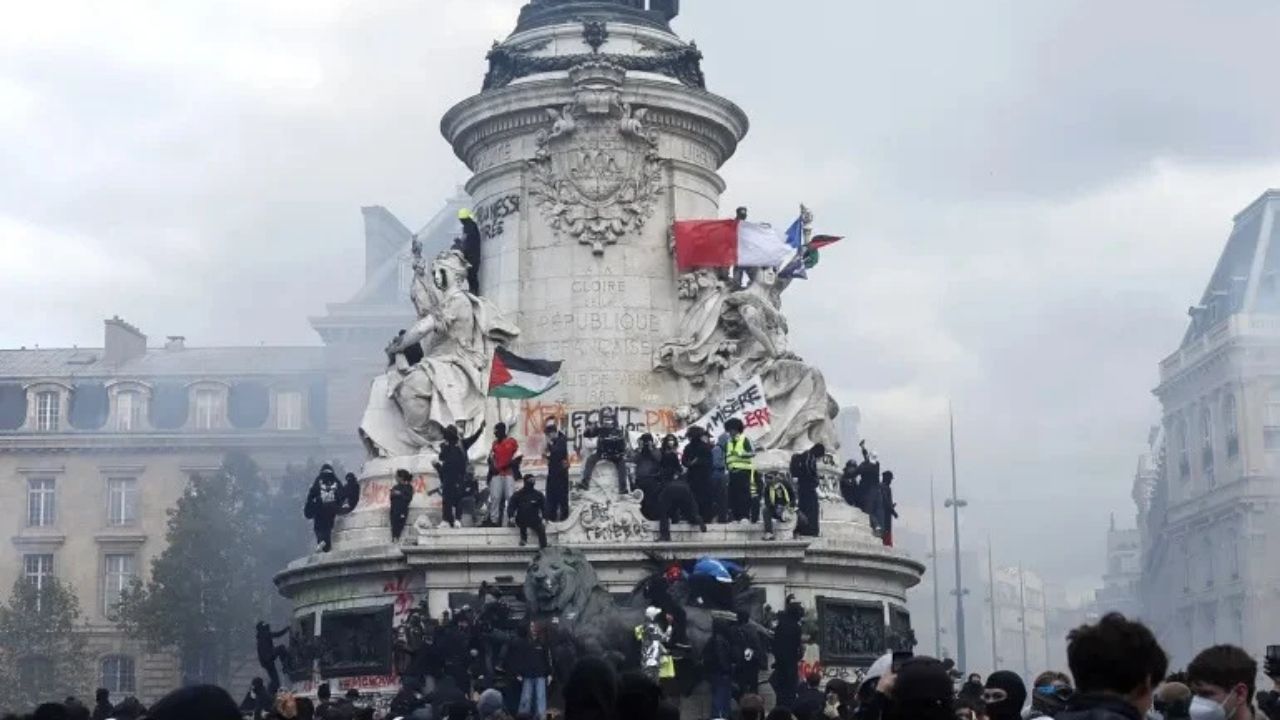
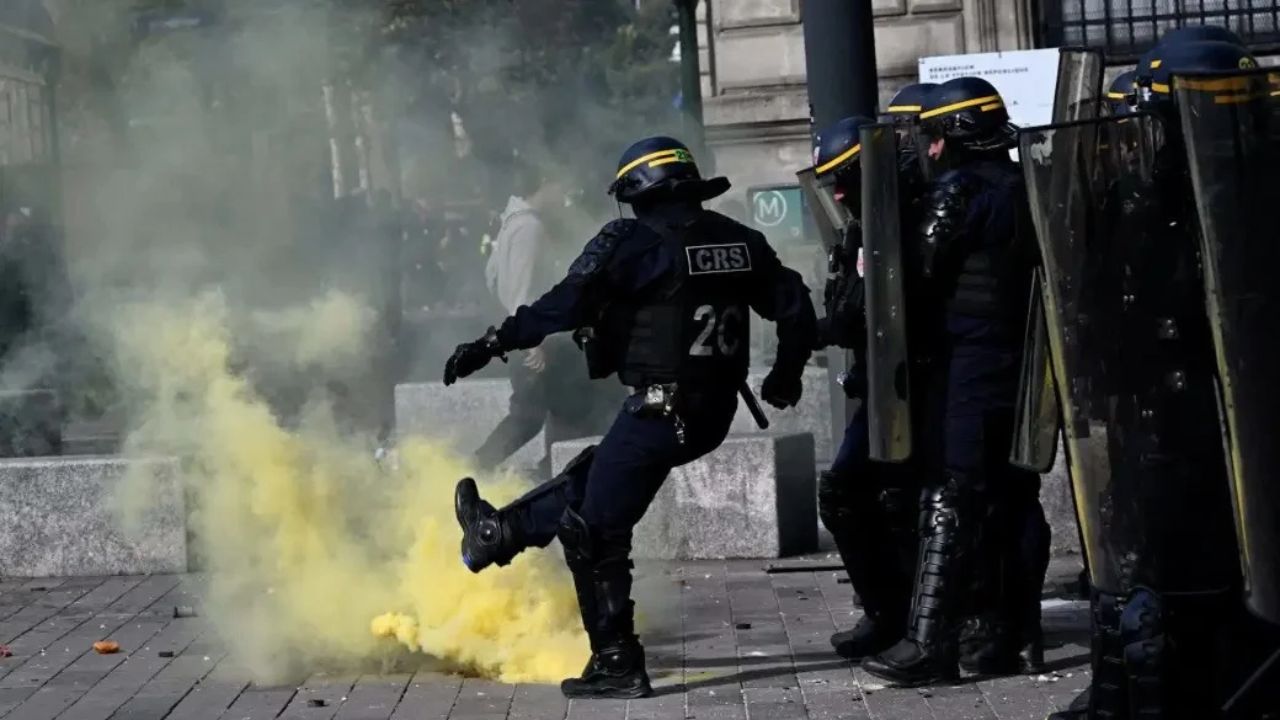
Turning to France, Trump attributed the protests and unrest there primarily to immigration, rejecting explanations centred on schools or other domestic issues. He argued that France’s immigration policies had allowed people into the country who, in his assessment, did not share an attachment to French national identity, culture and heritage.
Trump also said he had previously warned French President Emmanuel Macron about the need to tighten border controls. He linked immigration to what he described as damage to France’s national identity, cultural institutions, architecture and artistic heritage, arguing that the country had suffered because of its approach to admitting migrants.
His remarks place immigration enforcement at the centre of his broader political messaging on national sovereignty, border security and cultural preservation. The comments also reflect a recurring theme in Trump’s public statements: the contention that governments must prioritise the protection of their national traditions, religious values and historical identity.
However, Trump’s attribution of the French protests to immigration represents his political assessment rather than an independently established explanation for the unrest. The causes of protests in France can vary according to the specific demonstrations and circumstances involved.
Trump also reiterated his emphasis on defending American civilisation, religious traditions, cultural identity and national heritage. He argued that Americans should stand together to protect their values and prevent the country from being undermined by those he believes are hostile to its identity.
The message reinforces the administration’s focus on national security, immigration control, cultural conservatism and the preservation of traditional values. Trump’s language frames these issues as questions of national resilience and sovereignty rather than simply matters of domestic policy.
His remarks also reflect the broader political narrative through which he presents his presidency: a campaign to restore American strength, defend national interests and challenge institutions or policies he considers ineffective.
In another comment, Trump expressed a preference for describing advanced intelligence technology as super intelligence rather than artificial intelligence. He suggested that the term artificial intelligence was misleading because of its association with something artificial or fake.
The remark highlights the growing prominence of AI terminology in political and technological discourse. While super intelligence is a term used in discussions about systems that could exceed human cognitive capabilities, it is not a direct synonym for artificial intelligence as a whole. Trump’s preference appeared to be a rhetorical distinction rather than an announcement of a new technology or formal government policy.
Trump also made a self-congratulatory assessment of his presidency and criticised people he believes are running parts of the United States poorly. These comments were consistent with his combative political style and his recurring criticism of domestic institutions and political opponents.
Taken together, Trump’s remarks touch on several major issues shaping the international and domestic political landscape: the future of the Ukraine war, relations with Russia and China, nuclear disarmament, Iran’s international position, European immigration policy and the protection of national identity.
His openness to a possible meeting with Putin and Xi suggests that nuclear disarmament could provide a separate diplomatic framework for engagement among the three powers. Meanwhile, his continued negotiations with Moscow indicate that he intends to keep pursuing a settlement in Ukraine despite public disagreements with Zelenskyy.
Trump’s criticism of the Ukrainian president also highlights the unresolved question of what conditions would be acceptable to Kyiv and Moscow in any eventual peace agreement. His remarks on Iran, France and American cultural identity further demonstrate how foreign policy, immigration and national sovereignty remain intertwined in his political messaging.
For now, a trilateral summit remains a possibility rather than a confirmed diplomatic event. Any substantive progress on nuclear disarmament or the Ukraine conflict would depend on formal negotiations, the positions of the governments involved and the terms they are prepared to accept.