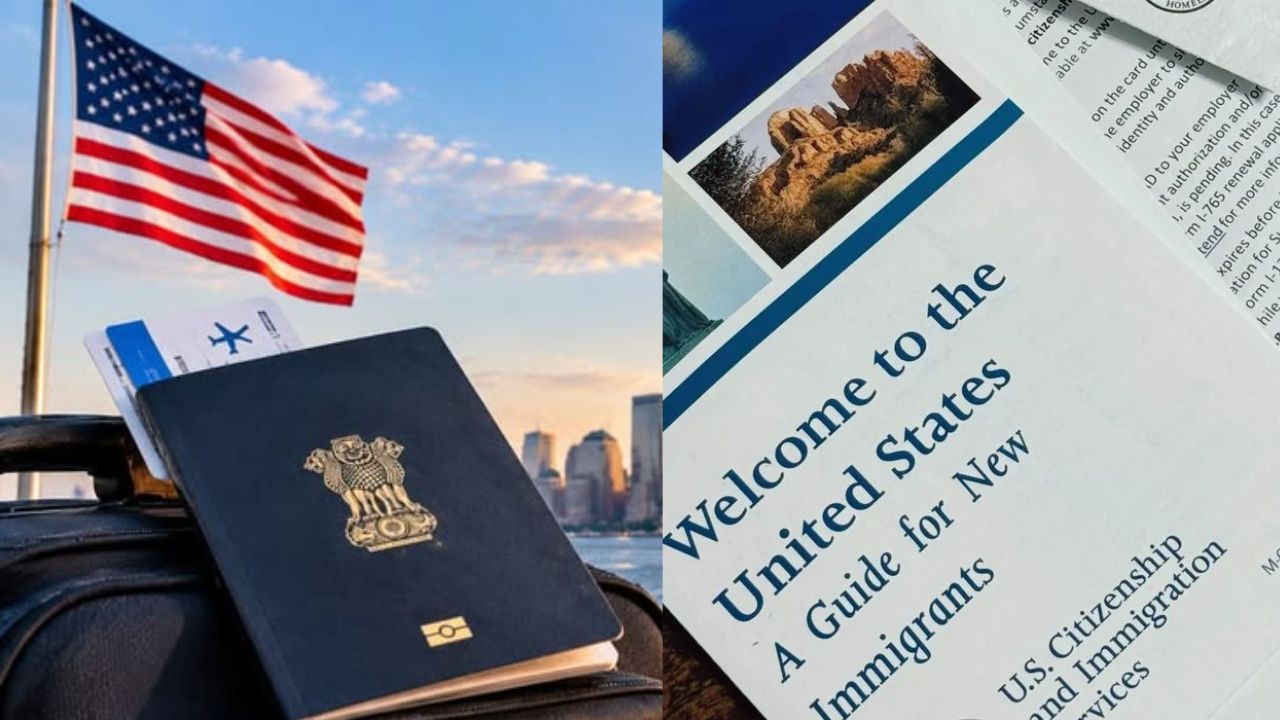
US proposes stricter H-1B visa extension rules (Img: Pinterest)
Washington: The US government has proposed a significant change to its immigration policy that could make it harder for thousands of foreign professionals to secure visa extensions, including employees working in the country on H-1B visas.
The Department of Homeland Security wants to withdraw a provision that currently requires US Citizenship and Immigration Services (USCIS) to generally consider its previous approval when assessing certain visa extension applications. If implemented, the proposal could allow immigration officers to reassess applications even when the employee continues working for the same employer in the same position.
Also Read: Gold Rate Today: Sharp Dip In Gold Prices After Bhai Dooj
According to estimates cited in the proposal, approximately 208,429 petitions could be affected annually.
Under the existing policy, USCIS generally gives considerable weight to an earlier approval when an employer submits an extension petition for the same employee, in case of the underlying circumstances have not changed. However, the proposed amendment would remove this requirement, allowing immigration officers to independently examine each extension application.
Therefore, an earlier visa approval would no longer automatically carry the same level of consideration during subsequent reviews. Officers could revisit eligibility requirements and request additional documentation, even if the employee’s job responsibilities, employer and other relevant circumstances remain unchanged.
The proposed change covers several employment-based visa categories, including H-1B, L-1, O-1, TN and E visas.
H-1B professionals could be among the most affected groups because these petitions account for more than 75% of Form I-129 filings, according to DHS.
If the proposal becomes final, employers may have to provide additional evidence to establish that their foreign employees continue to meet the requirements for visa extensions.
This could increase the possibility of Requests for Evidence (RFEs), in which USCIS asks employers to submit further documents or clarify information before making a decision.
DHS estimates that the proposed change could result in approximately 6,044 additional RFEs every year. More documentation requirements could also increase administrative expenses and potentially extend processing timelines.
The proposal was published on October 14, 2026, and the public has until November 13 to submit comments.
Also Read: Inside Anirudh-Kavya’s dreamy Greece wedding: Rajinikanth, MK Stalin join celebrations
However, the proposal has not yet become a final rule. The existing policy remains applicable unless DHS completes the rulemaking process and formally implements the change.
For foreign professionals, particularly Indian employees working in the US technology sector, the development could introduce additional uncertainty around future visa extensions. Employers may also need to prepare for more detailed documentation and closer scrutiny of immigration petitions.
The final impact will depend on whether the government adopts the proposal and what changes, if any, are made before implementation.

