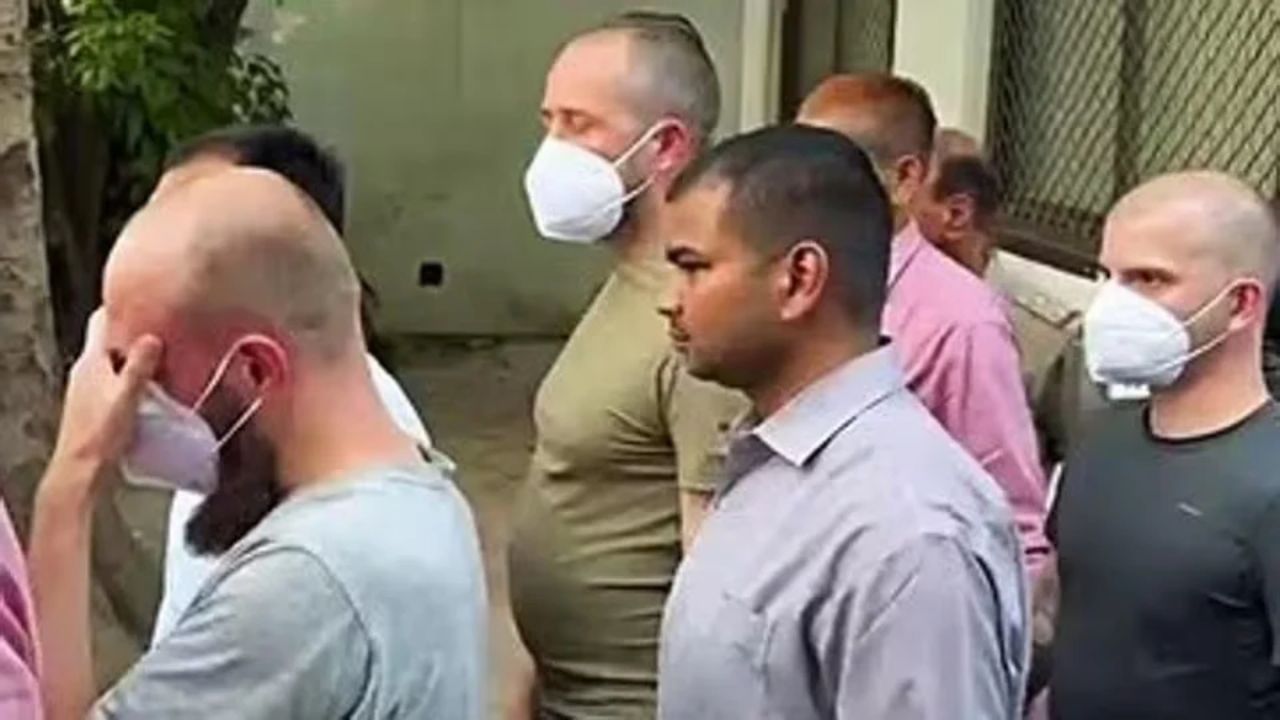
VanDyke and six Ukrainians leave India after Delhi court relief (Img: X)
New Delhi: A Delhi court’s order allowing US national Matthew Aaron VanDyke and six Ukrainian nationals to travel back to their home countries has raised questions over the legal gap between an ongoing UAPA investigation and the charges filed by the National Investigation Agency (NIA).
The seven foreign nationals, who were arrested earlier this year in a case linked to alleged terror conspiracy, were granted default bail after the NIA’s chargesheet included only offences under the Immigration and Foreigners Act, while investigation under the Unlawful Activities (Prevention) Act (UAPA) remained pending.
The court observed that the chargesheet filed by the NIA was “piecemeal” as it covered immigration-related offences while further investigation into alleged UAPA offences was still underway. The court held that an incomplete chargesheet could not prevent the accused from seeking default bail under legal provisions.
The NIA had arrested VanDyke and the six Ukrainian nationals in March. The agency had earlier investigated allegations involving possible drone-related activities and links to groups outside India. However, the first chargesheet filed against them mentioned violations under the Immigration and Foreigners Act instead of UAPA charges.
After being granted default bail, the accused approached the court seeking release of their passports and permission to travel abroad.
Special NIA Judge Prashant Sharma of Rouse Avenue Courts allowed VanDyke to travel to the US and the six Ukrainian nationals to return to Ukraine for a limited period, with conditions including sharing their contact details and cooperating with the ongoing investigation if required.
The court’s order does not end the NIA investigation. The agency has maintained that its probe into alleged UAPA-related offences is still continuing and further action may follow based on the findings.
The case has brought renewed attention to the legal provisions surrounding default bail, investigation timelines and the importance of filing a complete chargesheet within the period allowed by law.

