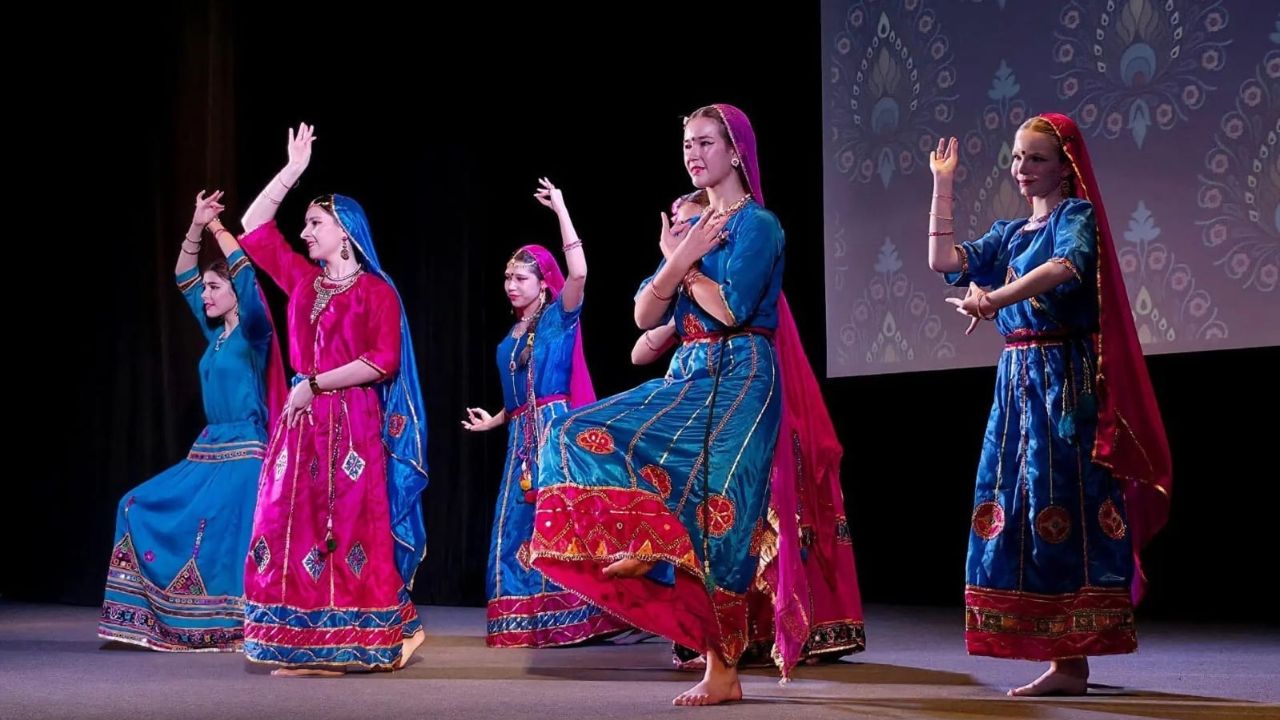
Moscow commemorates the centenary of Gennady Pechnikov, the Soviet theatre legend celebrated as the Russian Ram. (Img: Dynamite News)
Lucknow: Ayodhya’s cultural and spiritual legacy is finding renewed resonance in Russia, where artists, theatre personalities, intellectuals and members of the Indian diaspora gathered in Moscow to commemorate the 100th birth anniversary of celebrated Soviet theatre actor Gennady Mikhailovich Pechnikov. Widely remembered as the “Russian Ram” for his portrayal of Lord Ram, Pechnikov played a significant role in introducing Russian audiences to the values, ideals and cultural significance of the Ramayana.
The commemorative event highlighted the enduring influence of Indian mythology and performing arts beyond national boundaries, with speakers reflecting on Pechnikov’s contribution to cultural exchange between India and Russia. His portrayal of Lord Ram was remembered not merely as a theatrical performance but as a bridge between two civilisations, enabling Russian audiences to engage with India’s spiritual traditions and the philosophy of Ramrajya.
The gathering also brought Ayodhya into focus, with participants discussing the city’s growing cultural prominence and its importance as a centre of India’s religious heritage. The discussion connected Pechnikov’s artistic legacy with the continuing relevance of the Ramayana, the values associated with Lord Ram and the potential of cultural initiatives to strengthen people-to-people ties between India and Russia.
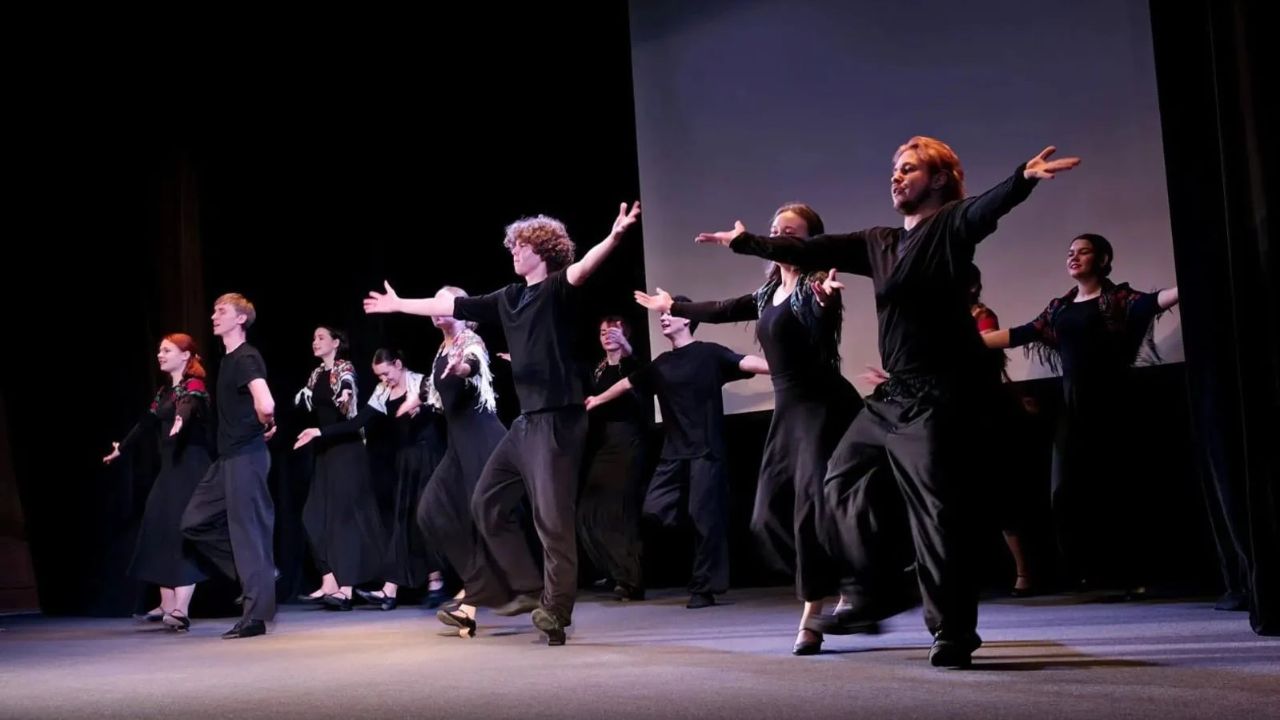
Gennady Mikhailovich Pechnikov occupies a distinctive place in the history of cultural exchange between India and Russia. Through his portrayal of Lord Ram, the Soviet-era theatre actor became closely associated with the Indian epic tradition and earned the enduring recognition of being called the “Russian Ram.”
His work helped introduce Russian audiences to a character regarded across India as a symbol of duty, righteousness, compassion, restraint and moral responsibility. The commemoration of his birth centenary provided an opportunity to revisit the cultural significance of his contribution and recognise the role theatre can play in making stories, beliefs and philosophical traditions accessible to audiences from different backgrounds.
Dr Rameshwar Singh, producer and director of the Moscow Ramleela, recalled Pechnikov’s contribution to Soviet theatre and his association with the portrayal of Lord Ram. He emphasised that the actor’s performance had made him widely known as the “Russian Ram,” reflecting the lasting impression he left on audiences through his engagement with Indian cultural traditions.
The anniversary celebration also underscored how artistic interpretations can transcend language and geography. Although rooted in Indian mythology, the story of Lord Ram has found audiences in different parts of the world because of its universal themes of justice, sacrifice, family responsibility and the struggle to uphold ethical principles.
For those attending the Moscow gathering, Pechnikov’s legacy represented more than an individual actor’s achievement. It was a reminder of how sustained engagement with another country’s literature, theatre and spiritual heritage can create cultural connections that endure across generations.
A central theme of the event was the philosophy of Ramrajya and its continuing relevance in contemporary society. The ideal is associated with just governance, public welfare, accountability, harmony and the responsibility of those in authority to serve the people. Participants reflected on how the life and character of Lord Ram continue to inspire discussions about ethical conduct, leadership and social responsibility.
Vitaly Evgenievich Dashinsky, vice-chancellor of the Ershov Theatre Institute in Moscow, highlighted Pechnikov’s role in introducing Russian audiences to Lord Ram and the concept of Ramrajya. His observations drew attention to the importance of theatre in communicating philosophical ideas and presenting cultural traditions in a form that audiences can understand and appreciate.
Alexandra Koneva, rector of the Ershov Theatre Institute, also reflected on the continuing relevance of Lord Ram’s life. She emphasised that the story offers lessons on how people should live, conduct themselves and approach their responsibilities. Her remarks reinforced the view that the Ramayana is not limited to a particular religious or geographical context but also provides a framework for reflecting on human behaviour and moral choices.
The discussion demonstrated how the values associated with Lord Ram can become a point of cultural dialogue between India and Russia. Through theatre and artistic interpretation, audiences can explore the relationship between personal responsibility, social harmony and the larger idea of a just society.
The birth centenary celebration thus became an occasion to remember Pechnikov’s artistic contribution while examining why the character he portrayed continues to attract interest beyond India.
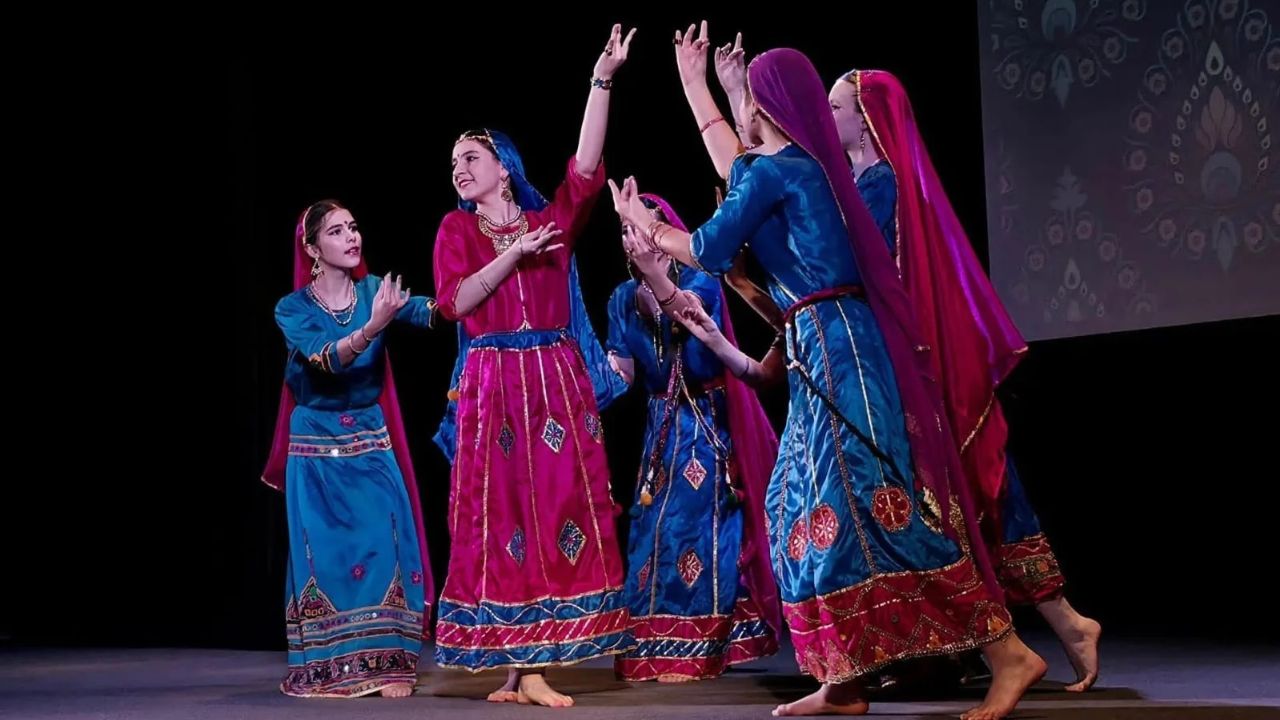
Ayodhya, one of India’s most prominent centres of religious and cultural heritage, emerged as another important focus of the Moscow gathering. Discussions highlighted the city’s significance in the Ramayana tradition and its growing visibility as a destination associated with Lord Ram, Indian civilisation and cultural tourism.
Alla Leonidovna, a children’s theatre director, praised the development taking place in Ayodhya and expressed appreciation for the city’s cultural importance. She also highlighted the appeal of Ramleela, the traditional theatrical presentation of episodes from the life of Lord Ram, as a form of performance that can communicate Indian traditions to audiences across cultural boundaries.
Pechnikov’s daughter, Tatiana Pechnikova, recalled her father’s contribution to cultural exchange and spoke about Ayodhya’s growing grandeur following Yogi Adityanath’s appointment as Chief Minister of Uttar Pradesh. Her remarks connected her father’s artistic legacy with the renewed attention being given to the city associated with Lord Ram.
Ayodhya’s importance extends beyond its religious identity. Its traditions, festivals, performing arts and historical associations have made it a significant part of India’s cultural landscape. For international audiences, the city offers an opportunity to understand the continuing influence of the Ramayana on Indian society and the ways in which inherited traditions are being presented to contemporary visitors.
The references to Ayodhya during the Moscow event also reflected the potential for cultural initiatives to deepen international awareness of India’s heritage. The city’s growing prominence and the international recognition of artists such as Pechnikov together provide avenues for promoting cultural tourism, artistic collaboration and dialogue between communities.
The gathering also highlighted the interest among Russian artists in taking cultural engagement with India further. Discussions included the possibility of staging Ramleela in Moscow and celebrating Diwali in a manner inspired by the traditions and atmosphere of Ayodhya.
Such initiatives, if realised, could provide opportunities for Russian audiences to experience Indian performing arts and festivals directly. Ramleela combines storytelling, theatre, music and community participation, making it a distinctive cultural tradition through which the story of Lord Ram is presented to audiences. Diwali, meanwhile, offers a wider cultural setting for celebrating light, hope, renewal and the triumph of good over evil.
The interest expressed by participants points to the scope for more sustained cultural exchanges between the two countries. Theatre institutions, artists and cultural organisations could play an important role in presenting Indian epics, traditional performances and festivals to international audiences while encouraging creative interpretations that respect their original significance.
The proposed interest in Ramleela and Diwali also reflects the continuing influence of Pechnikov’s work. His portrayal of Lord Ram demonstrated that Indian cultural narratives could find an audience in Russia when presented through an accessible and compelling artistic medium.
The Moscow commemoration therefore served both as a tribute to an individual artist and as a reminder of the wider possibilities offered by cultural diplomacy. By bringing together Russian theatre personalities, intellectuals and members of the Indian diaspora, the event highlighted the shared interest in preserving artistic legacies and building connections through cultural heritage.
As Ayodhya continues to attract attention for its religious and cultural significance, Pechnikov’s centenary has renewed focus on the relationship between the city, the Ramayana tradition and Russia’s own theatrical history. His legacy as the “Russian Ram” remains a striking example of how art can carry stories across borders, introduce audiences to different civilisations and sustain cultural connections long after a performance has ended.


