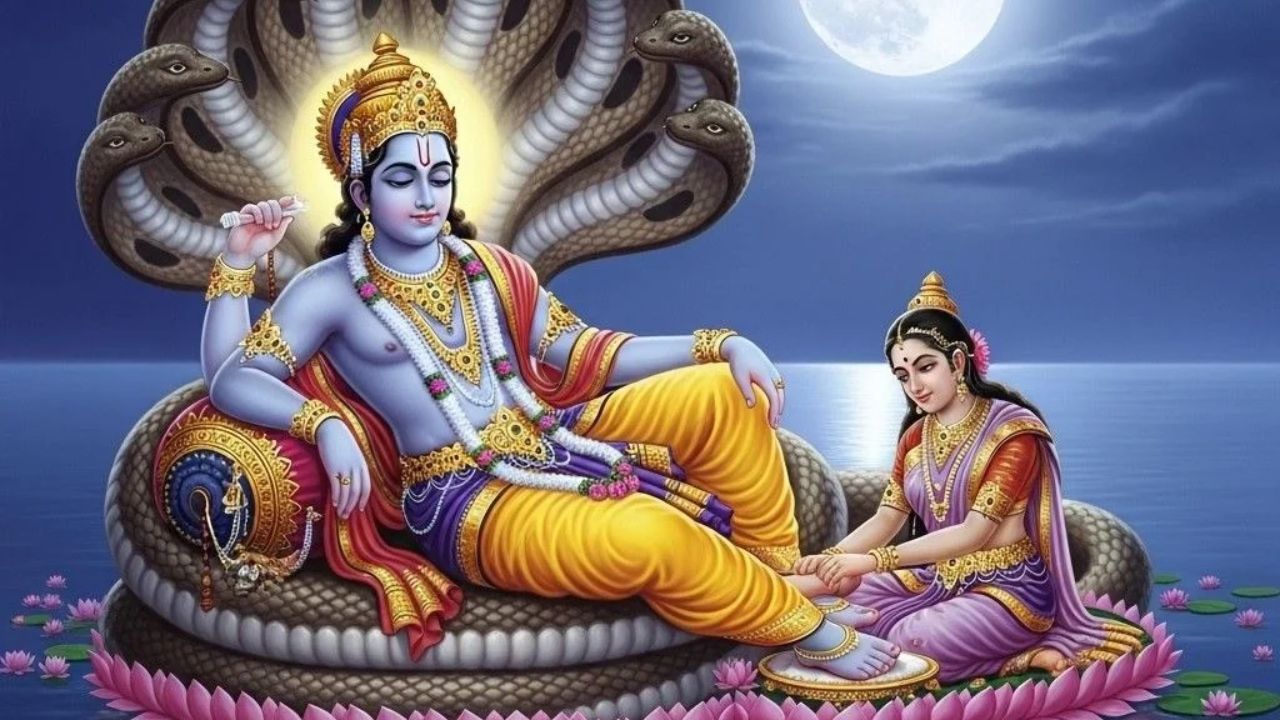
A thousand diyas illuminate the evening as devotees welcome Lord Vishnu's awakening. (Img: Pinterest)
New Delhi: As conch shells herald the first light of dawn and a thousand diyas transform courtyards into constellations of gold, devotees across India celebrate Devuthani Ekadashi, the sacred occasion marking the awakening of Lord Vishnu from his celestial repose. Observed on Kartik Shukla Ekadashi, this auspicious day is also known as Devutthana Ekadashi and Prabodhini Ekadashi.
In 2026, the Smarta observance falls on November 20, while many Vaishnava traditions observe the fast on November 21. The occasion marks the traditional conclusion of Chaturmas and heralds the return of auspicious religious and social ceremonies.
According to Hindu tradition, Lord Vishnu enters Yoga Nidra on Devshayani Ekadashi, the eleventh day of the bright fortnight of Ashadha, reclining upon the thousand-hooded Sheshnag in the cosmic ocean of Kshira Sagara.
This sacred period, known as Chaturmas, spans four lunar months. It is traditionally associated with austerity, spiritual discipline, fasting, prayer and introspection. Devotees embrace restraint and turn inward, while many communities traditionally suspend weddings and certain other auspicious ceremonies.
Yet this divine repose is not merely a tale of celestial slumber. It symbolises a season of spiritual renewal, patience and devotion before the arrival of fresh beginnings.
On Devuthani Ekadashi, the celestial stillness gives way to celebration. Devotees ceremonially welcome Lord Vishnu's awakening with prayers, bhajans, conch shells and temple bells. The devotional invocation, "Uttishthottishtha Govinda, Uttishtha Garudadhwaja," calls upon the Lord to arise and bless the universe.
In homes and temples, colourful rangolis depicting Vishnu's lotus feet adorn entrances and courtyards. Sugarcane, singhara (water chestnut), seasonal fruits, marigolds and traditional offerings find their place in the puja.
Devotees observe the Ekadashi vrat according to their family, regional and sampradaya traditions. Some undertake a nirjala fast, abstaining from food and water, while others observe phalahar, consuming permitted fruits and fasting foods. Prayer, restraint and unwavering bhakti remain at the heart of the observance.
Devuthani Ekadashi occupies a special place in the Hindu religious calendar. According to Hindu scriptural and devotional traditions, observing Ekadashi vrat with sincerity is believed to purify the mind, accumulate punya and help the seeker progress towards moksha.
Worshipping Lord Vishnu on this sacred occasion is associated with divine grace, protection, prosperity and spiritual well-being. Devotees also seek the blessings of Goddess Lakshmi, praying for abundance and harmony in their homes.
The awakening of Vishnu carries a deeper spiritual message: after every period of stillness comes renewal; after restraint comes celebration; and after introspection comes the opportunity to begin anew.
Devotees traditionally follow these practices on Devuthani Ekadashi. They rise early, bathe and wear clean clothes before commencing the day's worship. An image or idol of Lord Vishnu is placed atop a pious stool (chauki), the puja space is decorated with flowers and a ghee lamp is lighted before the deity. The Lord is offered Tulsi leaves, yellow flowers, seasonal fruits and other traditional offerings. Devotees ecite Vishnu Sahasranama, chant devotional mantras and sing bhajans. The worshippers observe a fast, following the fasting practices prescribed by family and religious tradition. People break the Ekadashi fast on Dwadashi within the prescribed parana window, observing the applicable Hari Vasara rules.

