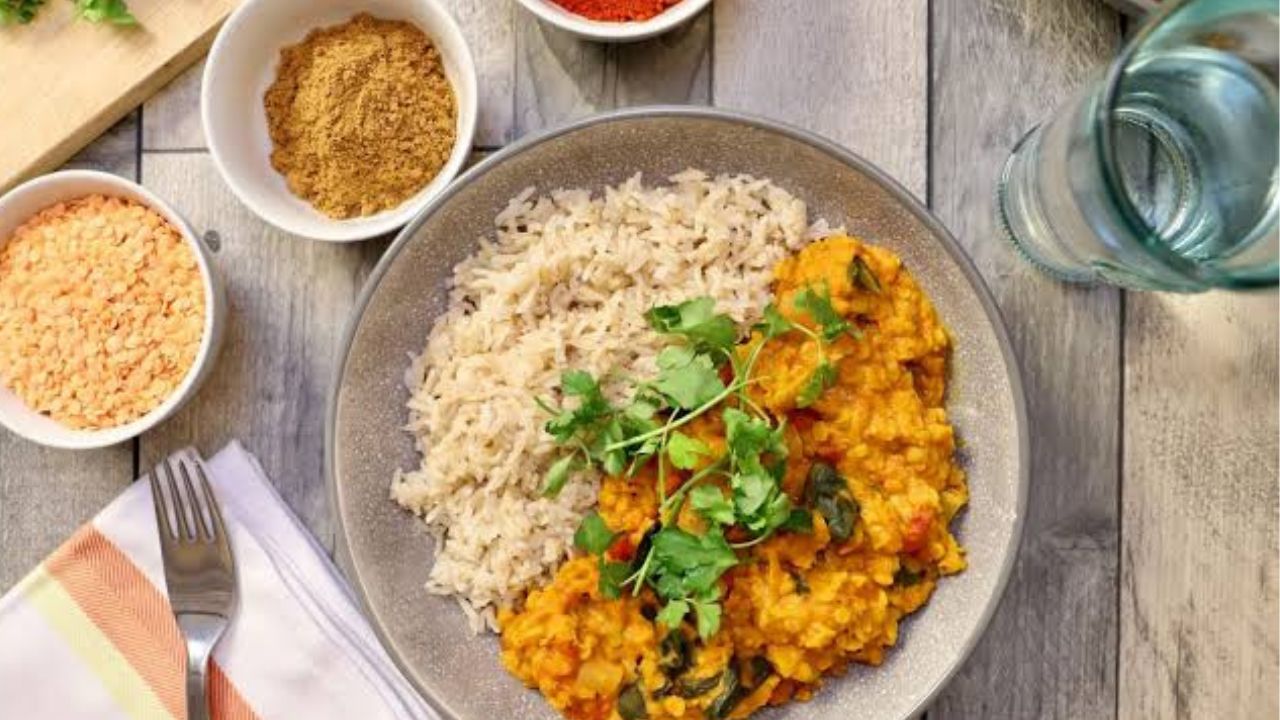
Dosa, idli, sambar and vada pav: British creator Julius Fiedler discovers India’s wide range of vegan-friendly foods. (Images: Google)
New Delhi: British food creator Julius Fiedler has highlighted India’s rich plant-based food traditions after travelling across the country and discovering that many popular Indian dishes are naturally vegan. India’s enormous culinary diversity has impressed yet another international food creator with British vlogger Julius Fiedler sharing his experience of finding plant-based food across the country.
During his weeks-long journey through India, Fiedler said he was surprised by how easily he could find meals that contained neither meat nor dairy. Rather than relying only on specially prepared vegan dishes, he found that several traditional Indian foods are naturally plant-based.
Fiedler pointed to popular dishes such as dal, dosa, idli and sambar along with a wide variety of street foods, as examples of food that can fit naturally into a vegan diet. He also highlighted the long-standing importance of vegetarian food in India and connected the country's food traditions with the influence of Hinduism, Buddhism and Jainism.
For a traveller following a plant-based diet, that cultural background can make navigating India's food scene considerably easier.
One of the highlights of Fiedler's culinary journey was Sadya, the elaborate traditional feast associated with Kerala and other parts of South India. He described it as a massive spread featuring dozens of dishes and noted that it is commonly served during celebrations, including Hindu weddings. Although Sadya is traditionally vegetarian, many of its dishes can also be entirely plant-based. The meal showcases the variety possible when vegetables, lentils, rice, coconut and spices form the foundation of a feast.
Fiedler also explored the role of fermentation in Indian cuisine. Rice and lentils are fermented together to prepare foods including idli and dosa, while related batters are used to make varieties of vada. Among his favourites were dosas filled with potato masala and served with coconut chutney.
He also sampled misal pav and sambar, adding more regional flavours to his food tour.
The creator also mentioned ragi mudde, a traditional Karnataka dish prepared using finger millet. The dish offered him another example of how Indian cuisine uses locally available grains and plant-based ingredients to create filling traditional meals. For international visitors, such dishes can offer a glimpse beyond India's most widely known restaurant staples.
Street food was another major part of Fiedler's experience. He tried pani puri, stuffed potato fritters served with white pea curry and vada pav, among other snacks. Vada pav, particularly associated with Mumbai, stood out to him as another example of a popular street food that can be plant-based.
However, as some commenters pointed out, ingredients such as bread or preparation methods can vary, meaning travellers following a strict vegan diet may still need to check individual ingredients.
Fiedler also drew attention to India's tropical climate and the availability of ingredients such as coconut. Coconut milk and other coconut-based preparations are widely used in several regional cuisines and can provide richness in dishes without relying on dairy. That makes coconut an important ingredient in many plant-forward Indian recipes, particularly in parts of South India.
Fiedler shared his observations on Instagram, prompting a wave of reactions from Indian viewers and other users. One commenter praised India's traditional plant-based cuisine, while another thanked the creator for showcasing Indian food to an international audience. Another user described vegan eating in India as both easy and flavourful. Some commenters also added an important qualification: while many Indian dishes are naturally plant-based, ingredients such as buttermilk, ghee and dairy-based preparations are used in certain regional recipes.
Others pointed out that individual ingredients and preparation methods can vary, particularly with commercially prepared foods.
Fiedler's journey highlights an aspect of Indian cuisine that can sometimes be overlooked internationally: plant-based eating is not simply a modern food trend in the country. Across India's many regions, vegetables, lentils, grains, legumes, coconut and spices have long played central roles in everyday cooking.
For Fiedler, that made travelling through India an opportunity to discover a wide range of traditional foods while following a plant-based diet. His experience also shows why India's food culture continues to attract international travellers looking for regional flavours, traditional recipes and diverse vegetarian and vegan options.

