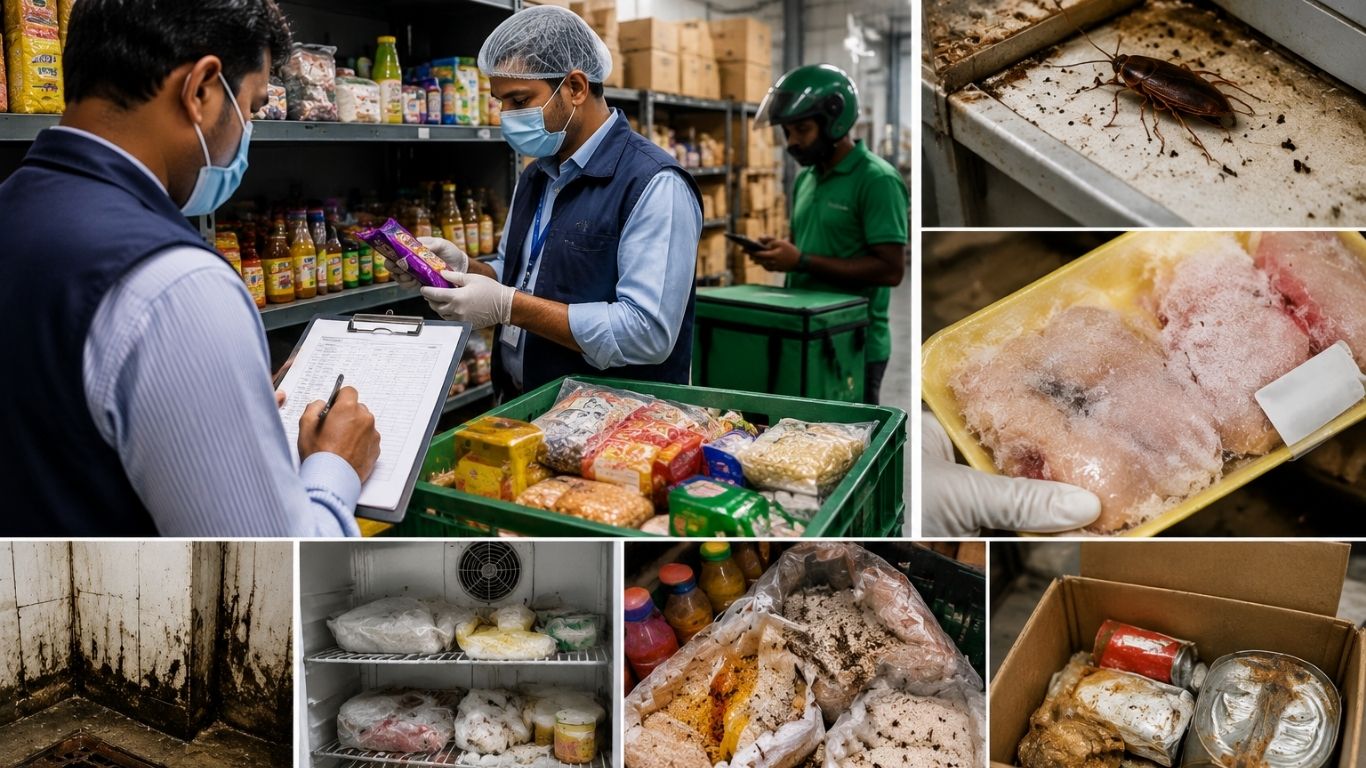
how quick commerce changed daily life (Img: AI Generated)
New Delhi: The rise of quick commerce has transformed the way people shop. With just a few taps on a smartphone, groceries, snacks, medicines and household essentials can now arrive at the doorstep within minutes.
Platforms offering 10-minute deliveries have made urban life easier, especially for people with busy schedules. Forgotten ingredients, last-minute needs and daily essentials are no longer a reason to step outside. But along with this convenience, a quiet change has taken place - the gradual disappearance of the traditional errand culture.
For generations, small household tasks were not just responsibilities; they were opportunities for connection. Going to a local shop, visiting a neighbourhood market or accompanying a family member to buy daily supplies often became moments of conversation, bonding and shared experiences.
When simple errands became meaningful memories
Before smartphones and instant delivery services became common, buying groceries or household items often meant stepping out into the neighbourhood. A trip to the local shop was rarely just about purchasing something. It involved conversations with shopkeepers, greetings with neighbours and unexpected interactions that strengthened community relationships.
Children often accompanied parents or grandparents on these small outings. A simple grocery run could turn into an evening walk, a lesson about bargaining, or a small reward bought along the way.
These ordinary moments created memories not because the tasks themselves were exciting, but because they brought people together.
Quick commerce replaces trips with transactions
The convenience of delivery apps has changed this pattern. Today, many daily tasks that once required a short walk or a visit outside can be completed without leaving home. A few clicks can replace a trip to the market. A delivery partner arrives, the order is completed, and the interaction ends within minutes.
While this saves time and effort, it has also reduced many everyday opportunities for human interaction. Neighbourhood stores, local vendors and small conversations that were once part of daily life are becoming less visible in many cities.
Has convenience reduced spontaneous connections?
Modern lifestyles are increasingly built around efficiency. People want faster services, fewer interruptions and more control over their schedules. Quick commerce has successfully addressed these demands. It has helped working professionals, elderly people and families manage their daily needs more easily.
However, the question remains: what happens when every small inconvenience disappears? Many meaningful interactions in life were never planned. They happened while walking to a shop, waiting for an order, talking to a vendor or accompanying someone on a routine task.
These unplanned moments often created relationships and memories.
The return of “errand culture” in a new form
Interestingly, as digital convenience grows, some people are beginning to rediscover the value of doing simple tasks together. A grocery trip with a friend, a walk to a local market or visiting a neighbourhood store can become a way to spend time together without the pressure of planning a formal outing.
In a world filled with scheduled meetings, online conversations and digital interactions, ordinary activities are becoming new ways to reconnect. Even routine chores can offer something that apps cannot provide -shared experiences.
Convenience saved time, but time needs meaning
Quick commerce is unlikely to disappear. Its benefits are undeniable, and for many people, these services have become an essential part of modern life. But the rise of instant delivery also highlights a larger question about how people use the time they save.
Technology has removed many small tasks from everyday routines. The challenge now is finding new ways to create the conversations, connections and experiences that those tasks naturally provided. The value of old-fashioned errands was never just in buying something. It was in the journey, the company and the moments in between.
As life becomes faster, perhaps the things worth holding on to are the slow, ordinary moments that were never designed to be memorable - but became memories anyway.

 English