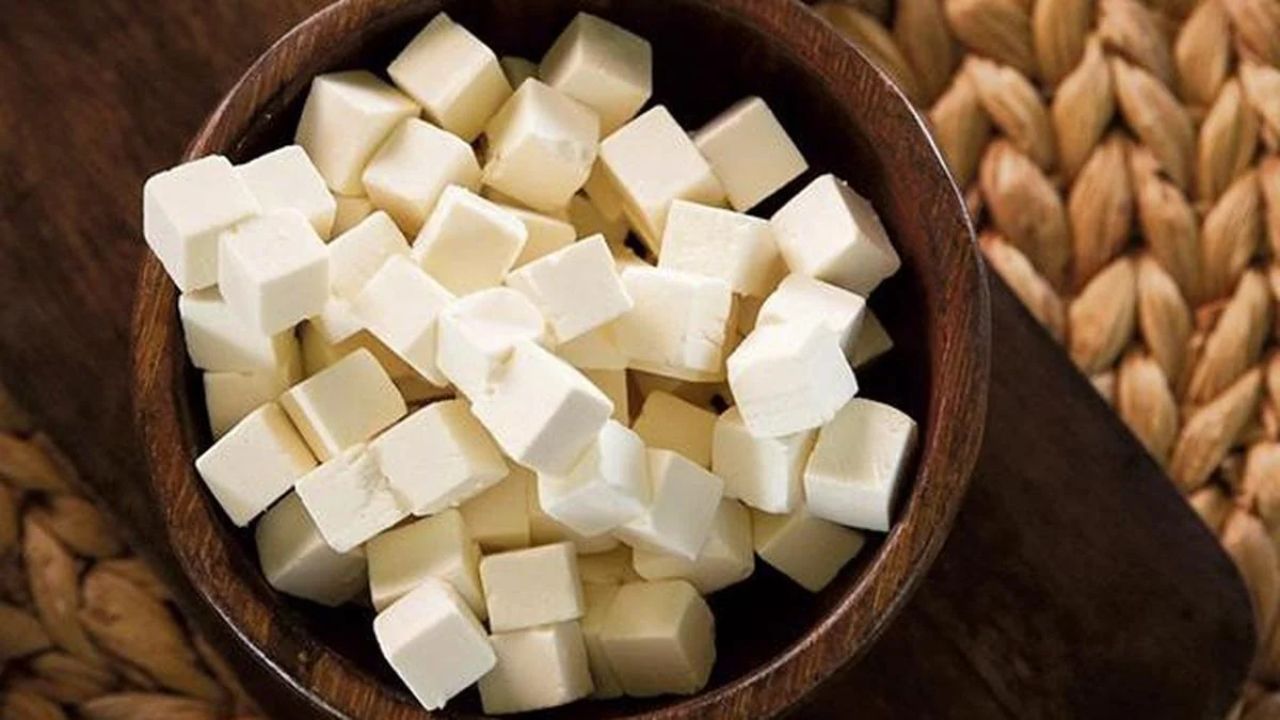
'Analogue' paneer
New Delhi: Paneer is considered a good source of protein, which is why it holds a special place in the diets of vegetarians. It is used in a wide variety of dishes from home-cooked meals to those served in hotels and restaurants. But did you know that not all paneer available in the market is made from milk?
'Analogue' paneer a product that looks and feels exactly like real paneer is now also available on the market. Because it is cheaper and has a longer shelf life, it is frequently used in various food preparations. It is therefore important to understand what analog paneer is and how consuming it might affect your health.
Analogue paneer is a product that is not made using the traditional method of curdling milk. Instead, it is created by using other food ingredients either as a substitute for milk or in addition to it. It is typically formulated by combining vegetable oils, starch, water, and emulsifiers. While its color, shape, and texture are designed to mimic real paneer, it may contain little to no protein or calcium nutrients typically found in genuine dairy-based paneer.
Zomato’s Big Move: Analogue Paneer Dishes Removed; Restaurants Asked To Use Real Dairy Products
To produce it, ingredients such as vegetable oils (like palm oil), water, and milk powder (or other protein sources) are mixed together. The mixture is then heated, and starch, emulsifiers, and stabilizers are added. These components help give the mixture a smooth, paneer-like consistency. It is then set into specific shapes to form blocks. However, the exact composition can vary depending on the manufacturer.
Real paneer is generally soft, and its texture changes when it is crumbled or mashed by hand. Some analogue cheese products may have a smoother, shinier, or rubber-like texture. However, it is not possible to definitively identify them just by looking or touching. While an iodine test might indicate the presence of starch, it does not conclusively prove that the product is analogue cheese. For accurate information, always check the list of ingredients and the FSSAI label on the packaging.
Paneer Vs Eggs: Which is the better protein source? Full nutrition analysis
Due to the oils and starches used in its production, the nutritional quality of analogue cheese may differ from that of authentic dairy-based cheese. If it contains high levels of saturated fat, regular or excessive consumption could increase the risk of weight gain and elevated 'bad' cholesterol. Furthermore, it often lacks the adequate amounts of protein and calcium found in genuine dairy cheese. Issues such as incorrect labeling or failure to adhere to food safety standards can pose additional risks to consumers.
Therefore, when purchasing cheese, do not look solely at the price. Be sure to check the ingredients, nutritional information, and the product category on the packaging. Keep in mind that while analogue cheese is not inherently toxic, selling it as authentic dairy cheese constitutes a deception of the consumer.

