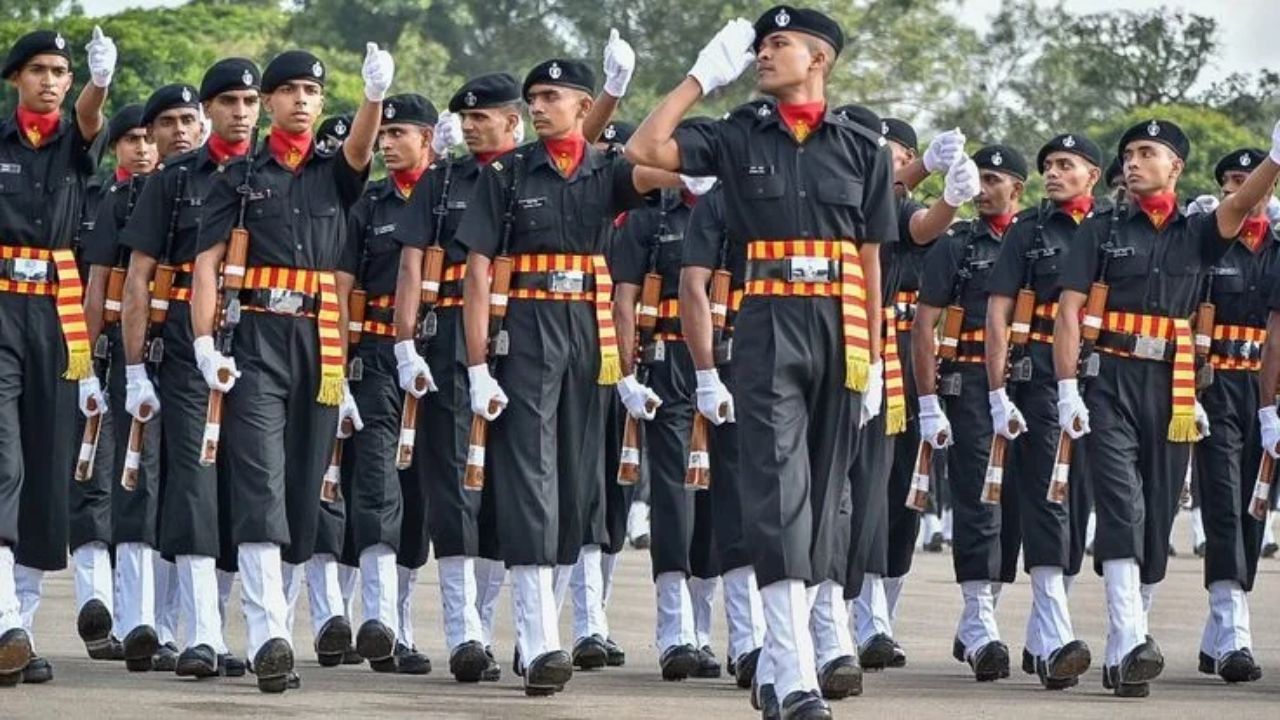
Agniveers may receive marriage permission during their additional two-year military engagement. (Img: X)
New Delhi: In a significant policy development concerning India's Agnipath military recruitment scheme, Agniveers opting for the additional two-year Second Tour of Duty (TOD) will be permitted to marry after successfully completing a short training programme, according to sources familiar with the communication issued to enrolled personnel.
The clarification marks an important shift in the service conditions governing Agniveers, who have so far been required to remain unmarried throughout their initial four-year engagement. The relaxation is expected to address a key personal and social concern for thousands of young military personnel, particularly those who enter the armed forces immediately after completing their schooling.
The revised arrangement comes against the backdrop of the government's decision to extend the engagement period for eligible Agniveers, providing them with an additional opportunity to continue serving in the armed forces and potentially secure regular enrolment.
Under the Agnipath framework introduced in 2022, candidates must be unmarried at the time of recruitment and are prohibited from marrying during their initial four-year service tenure. The same eligibility requirement applies when Agniveers initially opt for the additional two-year engagement.
However, the latest clarification indicates that personnel joining the Second Tour of Duty can marry after completing approximately four weeks of mandatory training.
The sequence is designed to ensure that personnel complete the prescribed reorientation and training requirements before receiving the marriage-related relaxation.
The development is particularly significant for recruits from rural backgrounds and smaller towns, many of whom enter military service between the ages of 17.5 and 21. By the time they complete their initial four-year tenure, several are between 21 and 25 years old, an age when marriage and family responsibilities increasingly become important considerations.
The relaxation could therefore improve the personal flexibility and overall service experience of personnel choosing to continue their military careers.
The Union Cabinet approved the two-year Second Tour of Duty on November 4 as part of efforts to retain trained manpower and provide greater continuity within the armed forces. Under the revised arrangement, the initial four-year engagement will be followed by an additional two-year service opportunity for eligible Agniveers.
The policy provides a distinction between the two principal categories of recruits completing their initial tenure. Approximately 25 per cent of each batch will continue to be considered for permanent absorption into the regular armed forces on the basis of merit and prescribed selection criteria. The remaining 75 per cent will have the opportunity to opt for the additional two-year engagement.
After completing six years of total service, personnel in the extended category will also receive another opportunity to seek regular enrolment, subject to their willingness, eligibility and applicable selection procedures. The extended arrangement is intended to retain trained and experienced personnel, reduce the loss of institutional knowledge and strengthen operational continuity.
The policy changes coincide with the completion of the initial four-year engagement by the first batch of Indian Navy Agniveers. While 25 per cent of the eligible personnel have been offered permanent absorption based on merit, the remaining eligible candidates have been given the option of continuing for another two years.
The first batches of the Indian Army and Indian Air Force are also scheduled to complete their initial four-year engagement next month, making the revised service framework particularly relevant across all three military services. The transition represents an important phase in the implementation of the Agnipath model, as the armed forces begin addressing practical service-related issues emerging from their first recruitment cycles.
Apart from the marriage-related relaxation, the armed forces are examining possible revisions to annual leave entitlements for Agniveers serving during the extended tenure. Under the existing arrangement, Agniveers receive 30 days of annual leave, whereas personnel in the regular military cadre can receive up to 90 days, subject to service requirements and applicable provisions.
An enhancement in leave entitlement during the additional two-year engagement is reportedly being processed. Any revision could improve service conditions and bring the extended engagement framework closer to the requirements of personnel undertaking longer military assignments. However, the proposed leave-related changes remain a separate policy consideration and should not be confused with the marriage-related clarification.
The Agnipath scheme has attracted considerable attention since its introduction because of its distinct recruitment, retention and career progression structure. For young recruits, the four-year unmarried-service condition has been an important personal consideration.
The restriction has particular relevance for candidates from rural communities, where family responsibilities, social expectations and marriage decisions often become significant during the early twenties.
Allowing marriage during the extended service period could make the Second Tour of Duty more attractive to eligible personnel who otherwise might prefer to leave military service after completing their initial engagement. From a human resources and military manpower management perspective, such flexibility could contribute to retention, morale and continuity among trained personnel.
Chief of Defence Staff General N S Raja Subramani had earlier indicated that the Agnipath framework was not a static policy and could evolve in response to operational requirements and implementation experience.

