 English
 English

AISA president Neha Bora has approached the Delhi High Court challenging the notice requiring her to furnish a Rs 10,000 peace bond. (Img: X)
New Delhi: All India Students’ Association (AISA) president Neha Bora has approached the Delhi High Court challenging a notice issued by a Special Executive Magistrate requiring her to furnish a personal bond of Rs 10,000 and surety, and undertake to maintain peace for one year.
Bora has sought the withdrawal of the notice and a stay on the proceedings initiated against her. The challenge comes after Delhi Police detained her on October 16 while she was on her way to participate in the ‘Lehra Do Tiranga’ march at Connaught Place.
Her legal team has confirmed the move to media. With the Delhi High Court closed for the Dussehra vacation and scheduled to reopen on October 26, Bora’s lawyers are considering seeking an urgent hearing during the vacation.
The notice reportedly requires Bora to appear before the Special Executive Magistrate and execute a personal bond of ₹10,000, along with surety, undertaking to maintain public peace and good behaviour for a period of one year.
The proceedings have reportedly been initiated under Sections 126 and 130 of the Bharatiya Nagarik Suraksha Sanhita (BNSS). Section 126 provides for proceedings to require security for keeping the peace in specified circumstances, while Section 130 deals with the written order setting out the substance of the information on which such proceedings are initiated.
AISA has challenged the police action, alleging that preventive legal proceedings are being used to restrict peaceful political dissent and discourage participation in protests. The organisation has invoked constitutional protections, including Articles 19 and 21, in questioning the notice.
The plea seeks judicial intervention against the notice and the consequential proceedings. The High Court is yet to consider the challenge.
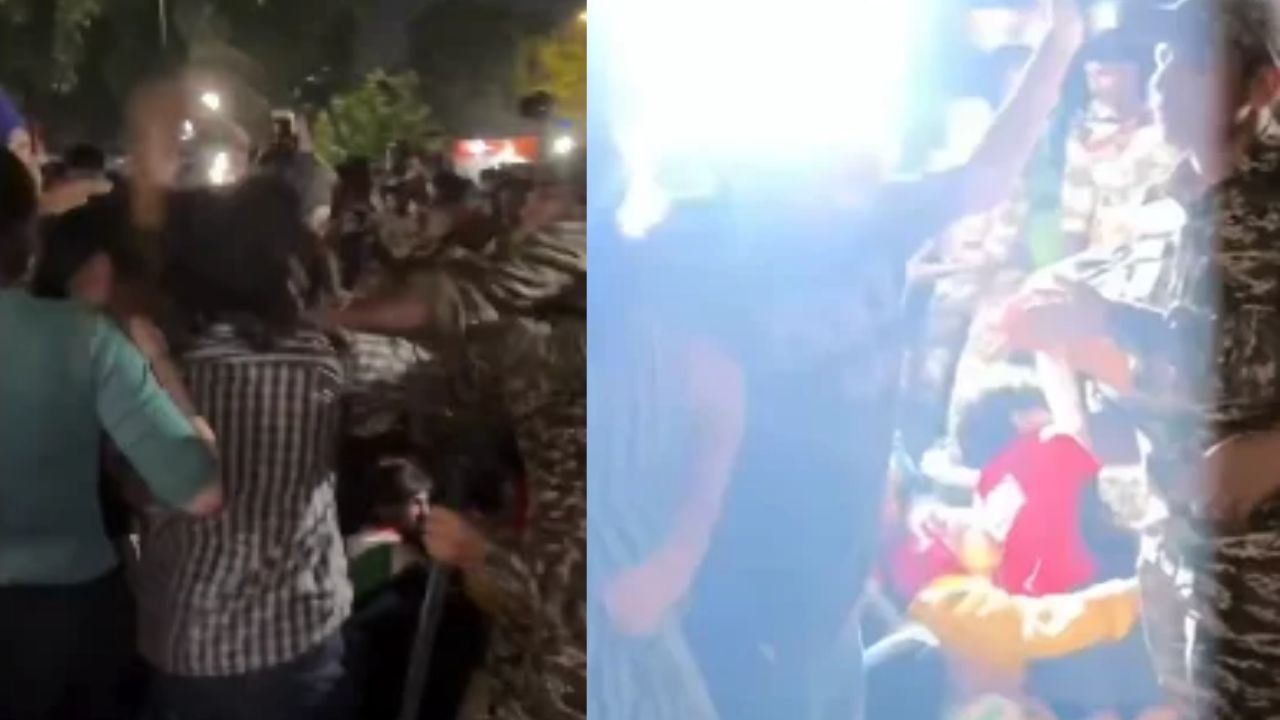
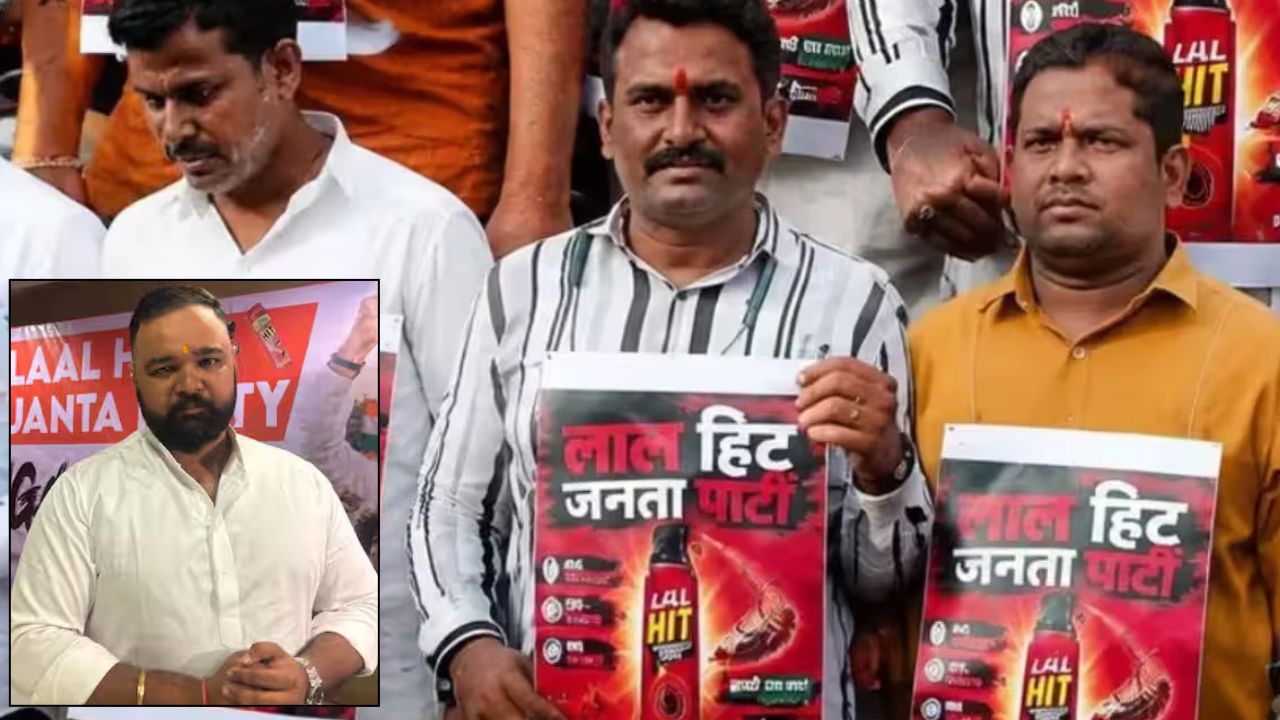
Bora was among several activists detained by Delhi Police on October 16 ahead of the proposed march at Central Park in Connaught Place. The demonstration was organised by the Cockroach Janta Party (CJP) and allied groups amid protests over the arrest of CJP leaders Ashutosh Ranka and Saurav Das.
Police detained Bora from the Mandi House area and took her to the RK Puram police station. She was released early on October 17 after the completion of formalities under Section 65 of the Delhi Police Act, 1978.
The provision empowers police to remove a person who refuses to comply with reasonable directions issued in the discharge of police functions. The action against Bora under this provision was distinct from the proceedings initiated against CJP founder Abhijeet Dipke under the BNSS.
The protest and the subsequent detentions have intensified the dispute over the exercise of preventive police powers against activists seeking to assemble and demonstrate in the capital.
CJP founder Abhijeet Dipke was also detained ahead of the October 16 march. Unlike Bora, he was proceeded against under Sections 126 and 170 of the BNSS, the latter dealing with preventive arrest to stop the commission of cognisable offences in specified circumstances.
Dipke was released on October 17 after a Special Executive Magistrate directed his release subject to the execution of a peace bond. The action followed an earlier undertaking by him to maintain peace and good behaviour.
AISA chief Neha Bora moves Delhi High Court challenging the SEM’s notice under BNSS Sections 126 and 130. AISA also alleges that plain clothes Delhi Police personnel have been following and intimidating her since her release from custody on October 16.
@NehaAisa @abhijeet_dipke #DelhiProtests #AISA #BNSS
— Dynamite News (@DynamiteNews_) October 19, 2026
The parallel proceedings against Bora and Dipke have brought the use of preventive measures against protest organisers into focus. While such provisions are intended to avert anticipated breaches of peace, their application remains subject to statutory safeguards and the requirements of due process.
Bora’s petition places the police notice before the High Court for scrutiny. The central issue is whether the preventive proceedings initiated against her satisfy the statutory requirements and are consistent with the fundamental rights invoked in the challenge.
Under the BNSS, proceedings to require security for keeping the peace must follow the prescribed procedure. The written order initiating the process is required to set out the substance of the information received, the amount of the bond, its duration and any surety requirement.
The High Court’s intervention is being sought before the matter can proceed further. No decision has yet been reported on Bora’s plea, and the notice remains subject to the outcome of the legal challenge.