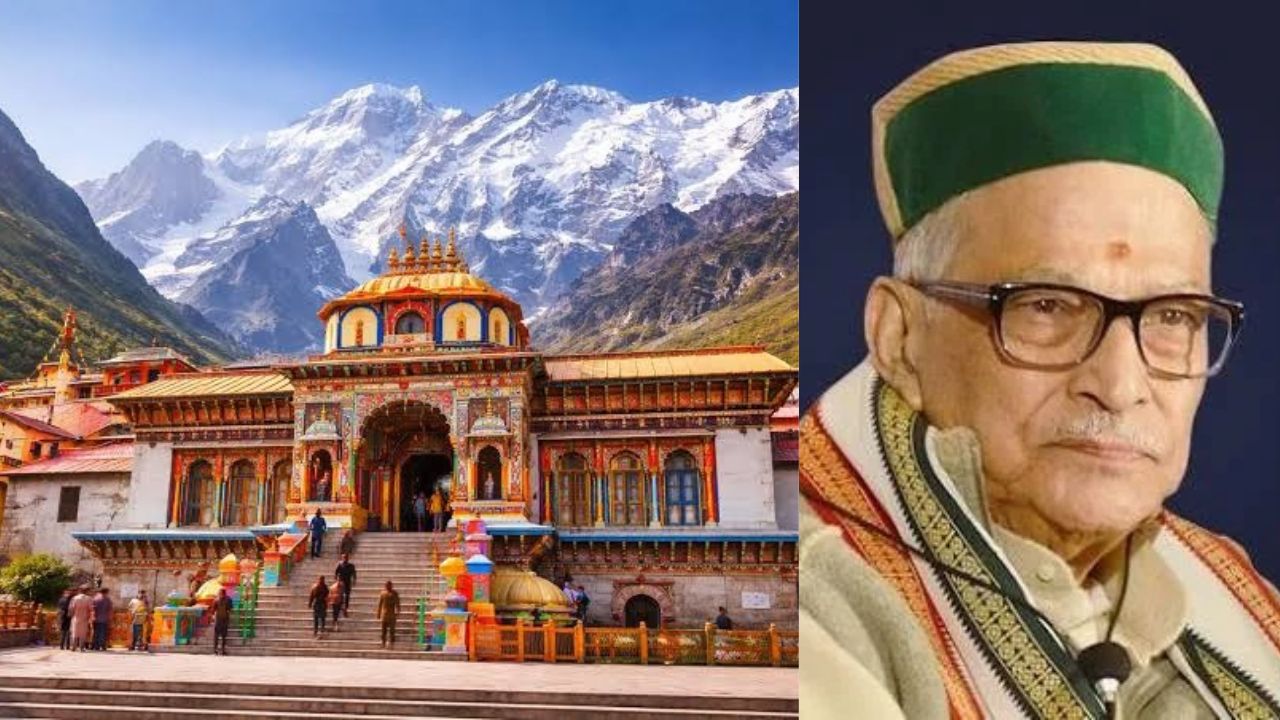
Devbhoomi Cultural Festival near Badrinath sparks debate over tradition and modern events. (Img: Pinterest)
Chamoli: A debate over faith, tradition and cultural expression has emerged after veteran BJP leader Murli Manohar Joshi raised objections to DJ-style performances and concert formats held during a cultural festival near Badrinath Dham in Uttarakhand.
Joshi’s remarks have brought attention to the larger question of how ancient pilgrimage centres should balance cultural promotion, tourism activities and the preservation of spiritual traditions.
The discussion began after the two-day Devbhoomi Cultural Festival was organised on September 19 and 20 at the Tourist Arrival Plaza in Badrinath town of Chamoli district. The event was organised by the Indian Army and the Chamoli district administration under Operation Sadbhavana with the theme “Culture is Our Heritage, Our Future”.
The festival aimed to highlight Uttarakhand’s rich cultural identity through folk performances, traditional arts, handicrafts and community activities. Uttarakhand Chief Minister Pushkar Singh Dhami attended the concluding ceremony of the programme.
However, some religious figures, priests and cultural observers raised concerns over loud music and DJ-style performances near the revered shrine. The issue gained wider attention after Murli Manohar Joshi questioned whether such formats were suitable for a spiritually significant Himalayan destination like Badrinath Dham.
Murli Manohar Joshi, former president of the Bharatiya Janata Party, expressed concern over organising concert-style music events near one of India’s most respected pilgrimage sites.
He highlighted the importance of maintaining the traditional atmosphere of Badrinath, which has long been associated with devotion, meditation and spiritual practices.
Joshi referred to the historical significance of Badrinath Dham and its connection with Adi Guru Shankaracharya, who played a key role in establishing the shrine as an important centre of Hindu spiritual tradition.
He also raised concerns about the impact of large gatherings, loud sound systems and high-energy activities in the sensitive Himalayan environment. The issue of public health and environmental challenges at high altitudes was also highlighted in the debate.
According to Joshi, religious and cultural destinations require special consideration because they represent centuries-old traditions and carry deep emotional importance for millions of devotees.
The Badrinath controversy has triggered a wider discussion about the changing nature of cultural events at religious destinations. Supporters of such programmes argue that cultural festivals help promote local traditions, provide platforms for artists and boost tourism in remote Himalayan regions.
Organisers of the Devbhoomi Cultural Festival described the event as an initiative to celebrate Uttarakhand’s heritage and connect visitors with local culture. The festival featured cultural presentations, folk music, traditional activities and showcases of regional identity.
However, critics believe that modern entertainment formats, including DJ performances and concert-style programmes, should be carefully regulated near ancient temples and pilgrimage locations.
The debate reflects a larger challenge faced by authorities across India — how to encourage tourism and cultural participation while protecting the spiritual and historical character of heritage sites.
Badrinath Dham, located in Uttarakhand’s Chamoli district, is among the most important pilgrimage centres in India and forms part of the Char Dham pilgrimage circuit.
Situated in the Himalayan region, the shrine attracts lakhs of devotees every year. The location’s religious importance, natural surroundings and ecological sensitivity make activities around the area a subject of close attention. Joshi emphasised that the Himalayan region carries a unique cultural and spiritual identity that needs to be preserved for future generations.
His remarks also highlighted the ongoing conversation around protecting traditional spaces from excessive commercialisation while ensuring that local communities benefit from tourism.
The timing of Joshi’s remarks has added another layer to the discussion as they came shortly after Prime Minister Narendra Modi participated in a "Bhajan Clubbing" programme in Delhi.
The event was organised to mark the 110th birth anniversary of Sangh ideologue Deendayal Upadhyay and presented devotional music through a contemporary format.
The contrasting discussions around devotional music and cultural presentations have renewed debate over how traditional practices can evolve with changing times while retaining their core values.
The organisers of the Devbhoomi Cultural Festival presented the programme as an effort to promote Uttarakhand’s living heritage. The event focused on local culture, folk traditions and community participation rather than only entertainment. Supporters said such initiatives can create awareness about regional traditions and encourage cultural tourism.
The discussion now centres on creating a balance between cultural visibility and maintaining the sanctity of religious destinations. The Badrinath DJ concert row is likely to keep the focus on regulations for public events near religious and environmentally sensitive locations.
Future discussions may involve guidelines related to sound limits, crowd management, ecological protection and the nature of cultural programmes allowed near major pilgrimage centres.
As Uttarakhand continues to develop religious and cultural tourism, authorities face the challenge of promoting heritage while ensuring that the spiritual identity of sacred Himalayan destinations remains protected. The Badrinath debate represents a broader national conversation about faith, tradition, tourism and the changing ways in which culture is presented in modern India.

