SC says judicial officers’ gherao in Malda was 'preplanned'
New Delhi: The Supreme Court has taken a stern view of the gherao of judicial officers in West Bengal’s Malda district, calling it a “preplanned, calculated and motivated” attempt to obstruct the judicial process. A bench led by Chief Justice of India Surya Kant observed that the episode struck at the very foundation of the rule of law and challenged the authority of the court.
Seven judicial officers, including three women, were reportedly confined for several hours while performing duties linked to the Election Commission’s Special Intensive Revision (SIR) process.
Expressing strong displeasure, the court noted that state authorities failed to act despite prior information about potential unrest. The officers were allegedly left without basic necessities like food and water during the ordeal.
Calling it an “abdication of duty,” the bench criticised the delay in response by senior officials, saying such lapses exposed serious gaps in the law and order machinery.
The apex court has issued show-cause notices to key West Bengal officials, including the Chief Secretary, Home Secretary, and Director General of Police. They have been asked to explain why timely preventive measures were not taken.
The court also underlined that the conduct of administrative and police officials was “highly deplorable.”
To prevent further incidents, the Supreme Court directed the Election Commission of India to deploy adequate central forces. It also mandated strict security arrangements at all venues linked to the SIR process.
The court ordered a detailed assessment of threats faced by judicial officers and their families and sought compliance reports. Senior officials have been directed to appear virtually at the next hearing.
‘Cannot remain male-only’: Supreme Court grants permanent commission rights to women in armed forces
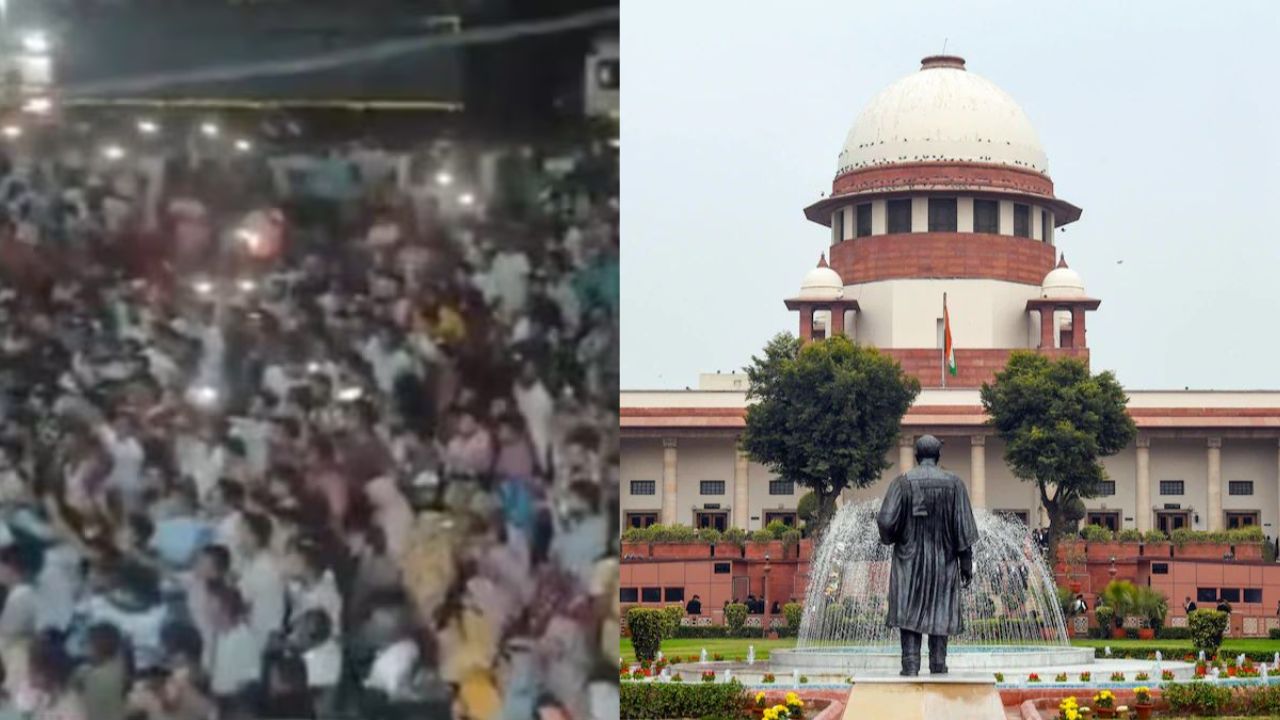
According to reports, protests began after a group was denied entry to meet judicial officers. The situation escalated into a gherao by evening, with demonstrators surrounding the premises for hours.
The court emphasised that such acts not only intimidate officials but also disrupt the democratic process. It warned that any attempt to interfere with judicial functioning would invite strict action, including proceedings for criminal contempt.

