 English
 English

A fresh political confrontation is brewing as Congress vows to resist the delimitation legislation. (Img: X)
New Delhi: The Congress has intensified its confrontation with the BJP-led Centre over the proposed delimitation exercise, accusing the Narendra Modi government of using women's reservation as a pretext to redraw parliamentary constituencies and secure a two-thirds majority for a constitutional amendment.
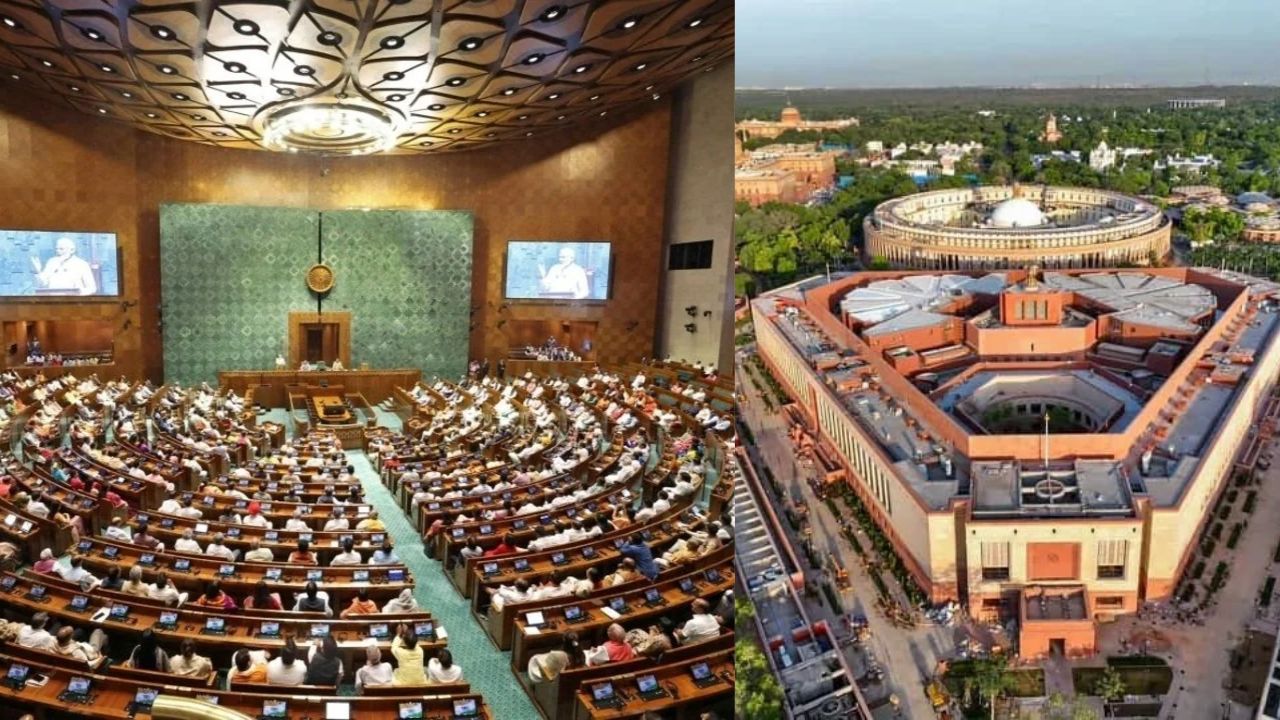
With Parliament scheduled to reconvene for a special sitting from November 30 to December 3, the proposed legislation has triggered a fresh political showdown. Congress general secretary Jairam Ramesh alleged that the special session was primarily intended to revive the delimitation Bill rather than implement the 33 per cent women's reservation law.
The Congress has accused the government of attempting to manufacture the numbers required to pass the constitutional amendment, declaring that the move would be resisted with all its political and parliamentary strength.
The party has demanded that the existing strength of the Lok Sabha and the current state-wise distribution of parliamentary seats remain unchanged for another 25 years. It has also called for implementing 33 per cent women's reservation from the 2029 general elections, including reservation within the quota for women belonging to Scheduled Castes and Scheduled Tribes.
Union Parliamentary Affairs Minister Kiren Rijiju announced that the government had requested the Lok Sabha Speaker and Rajya Sabha Chairman to reconvene the Houses on November 30 and December 2, respectively. The proceedings are expected to conclude on December 3.
Although the government has not officially disclosed its complete legislative agenda, speculation has centred on the proposed Delimitation Bill and amendments concerning women's reservation.
Congress deputy leader in the Lok Sabha Gaurav Gogoi questioned the decision to convene a short parliamentary sitting without Question Hour, Zero Hour and Private Members' Bills, arguing that it could restrict parliamentary scrutiny and accountability.
The Congress has asked its MPs to assemble in New Delhi by 10 am on November 29 ahead of the special sitting. The Nationalist Congress Party-Sharadchandra Pawar (NCP-SP) has also issued a three-line whip directing its Lok Sabha MPs to remain present from November 30 to December 4 and support the party's position.
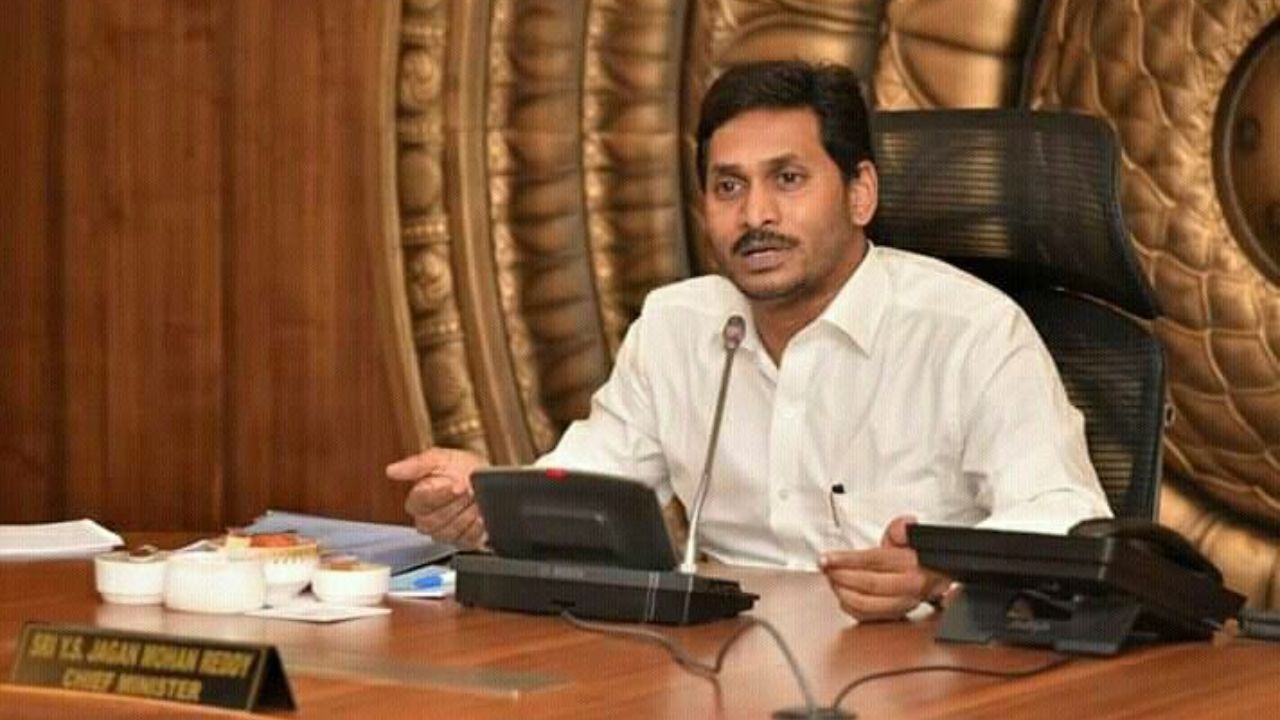
Meanwhile, the YSR Congress Party (YSRCP) is reportedly considering supporting the proposed legislation if regional representation is adequately protected. The DMK has indicated that it could consider backing delimitation if Tamil Nadu's existing share of approximately 7.2 per cent of Lok Sabha seats is guaranteed.
The legislative package comprises the Constitution (131st Amendment) Bill, 2026, the Delimitation Bill, 2026, and the Union Territories Laws (Amendment) Bill, 2026. Introduced in April, the proposals seek to increase the maximum permissible strength of the Lok Sabha from 550 to 850 members, including up to 815 representatives from states and 35 from Union Territories.
The framework also proposes enabling delimitation using the latest published Census available when the Delimitation Commission is constituted. This could mean using the 2011 Census.
The constitutional amendment further seeks to remove the requirement linking women's reservation to the first Census conducted after the 2023 legislation.
Southern states have expressed concerns that population-based redistribution could reduce their relative parliamentary representation despite their achievements in population stabilisation.
The 42nd Constitutional Amendment, 1976, froze the allocation of Lok Sabha seats based on the 1971 Census. The 84th Constitutional Amendment, 2001, extended the freeze until the first Census after 2026.
According to illustrative projections by PRS Legislative Research, if the existing Lok Sabha strength remains unchanged, Tamil Nadu's seats could decline from 39 to 32 and Kerala's from 20 to 15. Uttar Pradesh could increase from 80 to 89, Bihar from 40 to 46 and Rajasthan from 25 to 30.
These projections underline the concerns surrounding the redistribution of political representation.
An expanded Lok Sabha could also alter the numerical balance between the two Houses of Parliament, as the Rajya Sabha's maximum strength remains capped at 250. The proposed expansion could increase the Lok Sabha's influence during joint sittings under Article 108 of the Constitution. It could also raise the permissible strength of the Union Council of Ministers under Article 75, which limits the ministry to 15 per cent of Lok Sabha membership.
Additionally, a larger House could reduce individual MPs' opportunities to participate in debates, Question Hour and parliamentary proceedings. The proposed Delimitation Commission, comprising a chairperson who is or has been a Supreme Court judge, an Election Commission representative and the concerned State Election Commissioner, would oversee the exercise.
The government faces the challenge of securing the constitutionally mandated two-thirds majority after the amendment package failed in April 2026. With the Congress promising an aggressive parliamentary challenge and regional parties weighing their positions, the November 30 sitting is set to become a crucial test of the Centre's legislative strength and India's federal political balance.