Delhi AQI Drops to 213, But Another Pollution Spike Is Expected This Week
New Delhi: Delhi witnessed a noticeable improvement in air quality on Monday morning, November 16, as the city's average Air Quality Index (AQI) dropped to 213, placing it in the 'poor' category. However, the temporary relief may not last long, with forecasts indicating a return to 'very poor' air quality over the coming days.
According to the Central Pollution Control Board (CPCB), Delhi's average AQI was recorded at 213 at 6:05 am on Monday. This marked a significant improvement from Sunday's morning reading of 353, which fell in the 'very poor' category. By 4 pm on Sunday, the AQI had further declined to 290.
Data from the CPCB showed that only two of Delhi's 59 monitoring stations recorded 'very poor' air quality on Monday morning. Sirifort reported an AQI of 341, while NSIT Dwarka registered 331.
Meanwhile, 35 monitoring stations remained in the 'poor' category, while 28 recorded 'moderate' air quality. Cantonment Area was the only location to report 'satisfactory' air quality, with an AQI of 94.
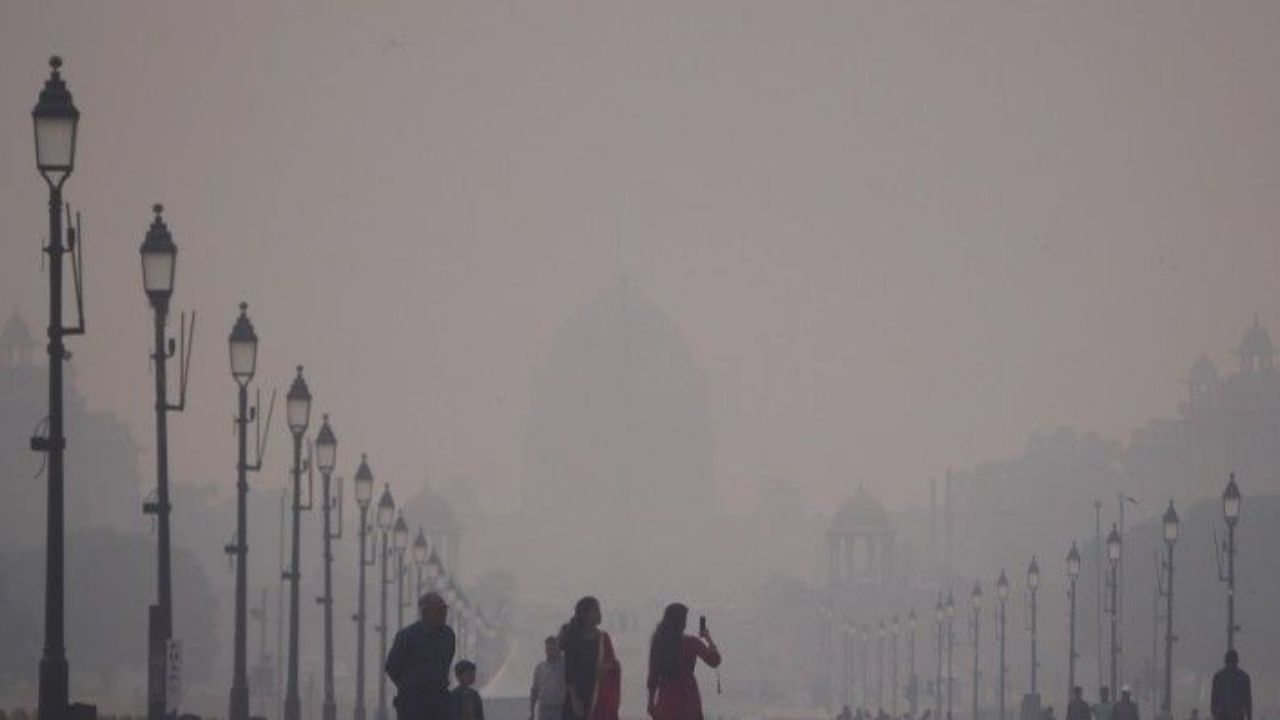
The improvement follows days of heavy pollution that left Delhi covered in a thick layer of smog during and after Diwali.
Despite the improvement, the outlook remains concerning. The Air Quality Early Warning System has forecast that Delhi's air quality could deteriorate to the 'very poor' category again between November 17 and 18. The situation is expected to remain in the same category for the following six days.
Weather experts attributed Sunday's improvement to favourable meteorological conditions, particularly stronger winds and light rainfall. These conditions helped disperse pollutants and temporarily reduce pollution levels.
Biomass burning emerged as the biggest contributor to Delhi's pollution on Sunday, accounting for 37.1 per cent of total emissions, according to real-time source apportionment data from the Air Quality Early Warning System and the Integrated Decision Support System.
The category covers pollution caused by stubble burning, household solid biofuels, wood and dung cakes.
Under CPCB classification, an AQI between 201 and 300 is considered 'poor', while readings between 301 and 400 fall under 'very poor'. Although Monday's reading brought some relief, the forecast suggests Delhi residents may soon face another spell of unhealthy air.

