English
 English

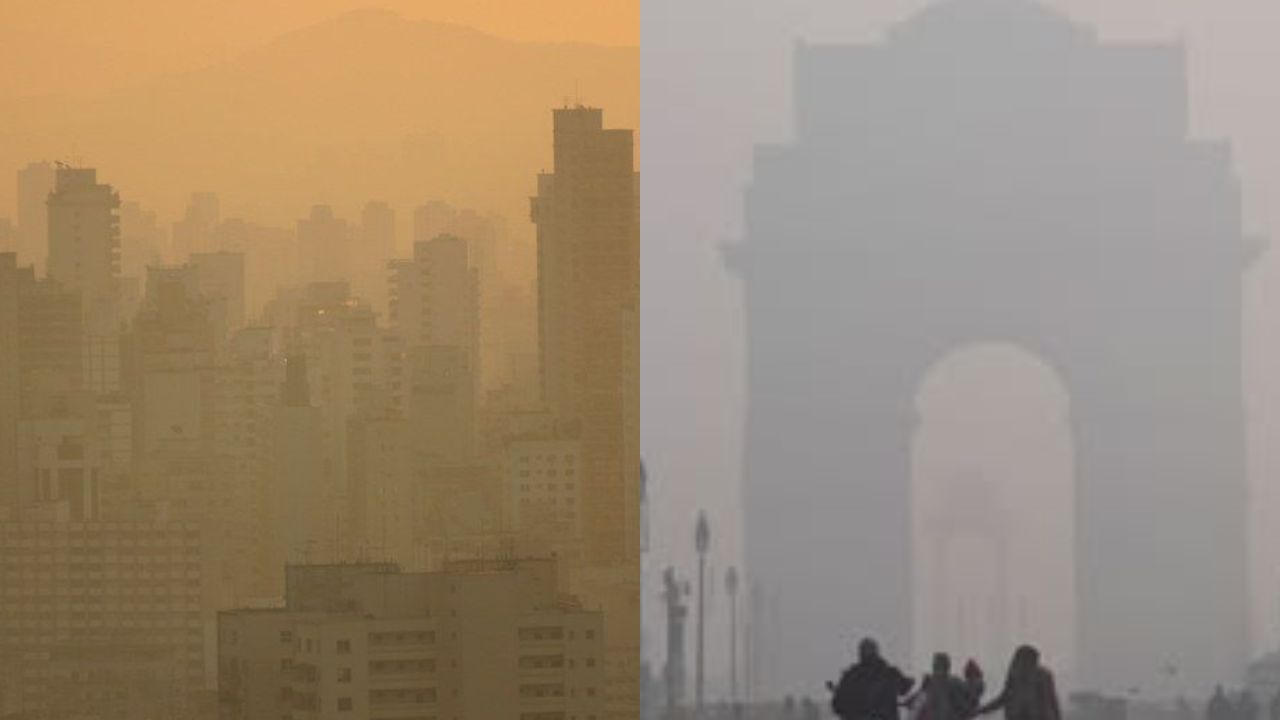
A slight improvement in Delhi's air quality was observed on Tuesday morning (Img: Pinterest)
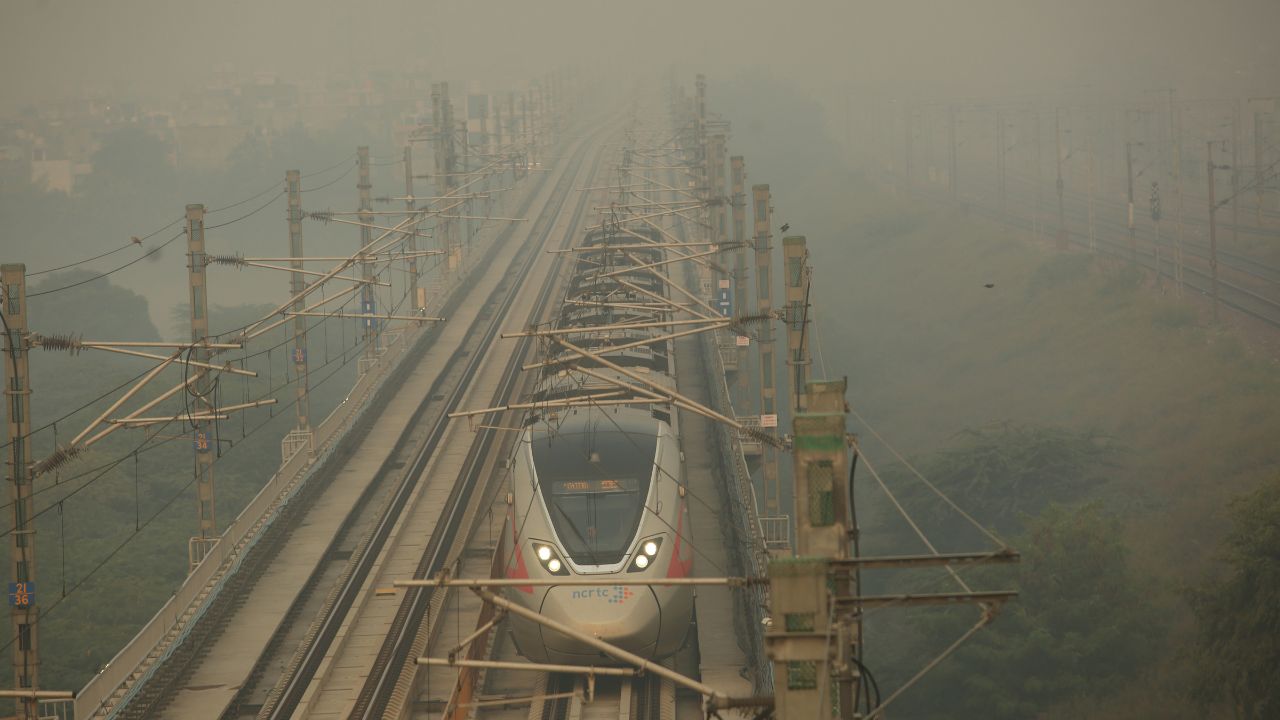
New Delhi: A slight improvement in Delhi's air quality was observed on Tuesday morning, although pollution levels remain in the 'very poor' category. According to data from the Central Pollution Control Board (CPCB), the city's Air Quality Index (AQI) was recorded at 304 at 7:15 AM. This is lower than the peak levels recorded on Monday, the day after Diwali. The highest AQI (395) was recorded in Pusa and Chandni Chowk, followed by 382 at NSUT Jafarpur and 380 at the Commonwealth Sports Complex. Air quality at all four of these locations falls into the 'very poor' category.
Following a decision by the Commission for Air Quality Management (CAQM), 'Stage III' measures have now come into effect. Under this stage, in addition to existing restrictions, further steps will be taken to control pollution; regulations will be strictly enforced, and relevant agencies will be issued directives to prevent any further deterioration in air quality.
Also Read: CM Suvendu Adhikari Announces Rs 15 Crore Upgrade Package for Nandigram Police Station
This emergency action plan applies to the entire city of Delhi, as well as to neighboring districts in Haryana, Uttar Pradesh, and Rajasthan. It has been implemented as a precautionary measure, based on weather and pollution forecasts provided by the India Meteorological Department (IMD) and the Indian Institute of Tropical Meteorology (IITM). The objective is to impose restrictions before the city's AQI level reaches the 'severe' category.
The Graded Response Action Plan (GRAP) is a four-stage emergency framework managed by the CAQM in coordination with the CPCB and the respective state governments. As air quality worsens, the restrictions become increasingly stringent.
Air pollution levels in Delhi remain alarmingly high. The Air Quality Index (AQI) at all 10 monitoring stations was recorded in the 'very poor' category. The highest AQI (395) was recorded at Pusa and Chandni Chowk, followed by 382 at NSUT Jafarpur and 380 at the Commonwealth Sports Complex. Both Talkatora Garden and North Campus recorded an AQI of 372, while Siri Fort and CRRI Mathura Road recorded 371. The AQI at JNU was 369, with IIT Delhi recording the lowest AQI (364) among these locations. The average AQI across these stations was approximately 377, highlighting that poor air quality remains a major concern in the national capital. High levels of pollution can cause respiratory distress, particularly for children, the elderly, and individuals with pre-existing respiratory conditions.
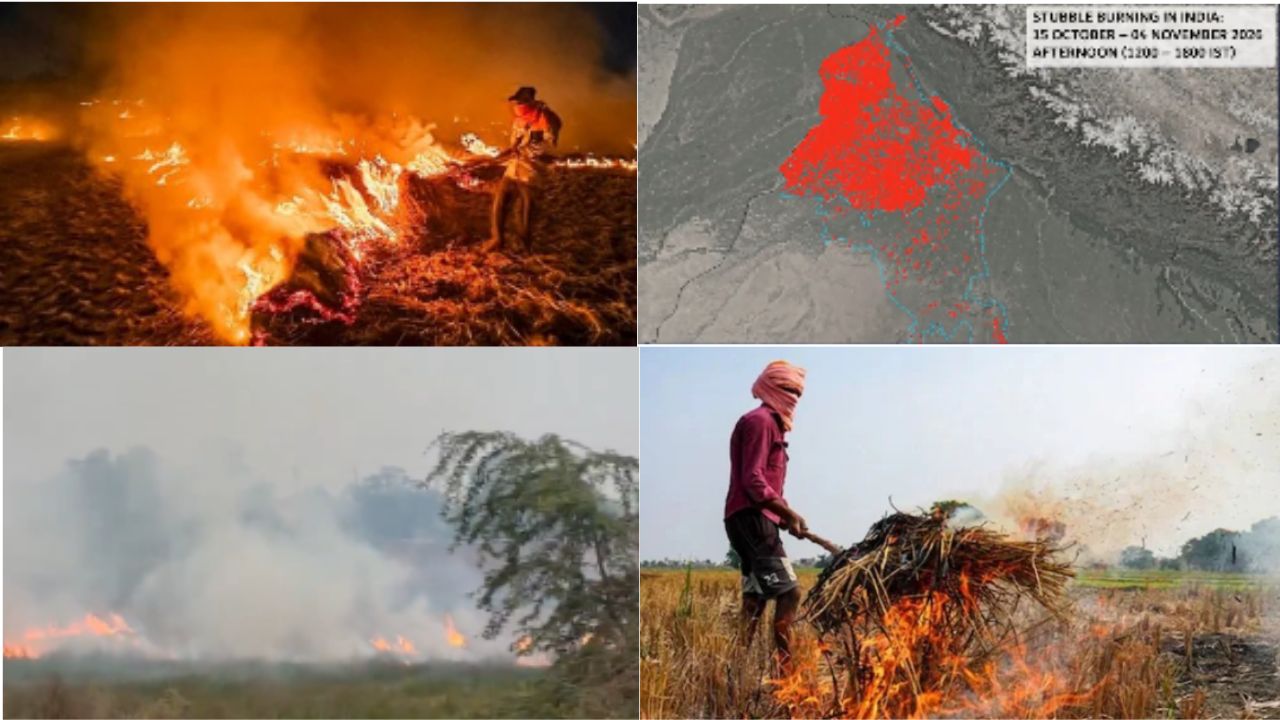
On Monday, the day after Diwali celebrations, a thick blanket of smog (a mixture of smoke and fog) descended upon many parts of North India. In several areas, firecrackers were burst well beyond the permitted time, further deteriorating air quality.
AQI levels in Delhi, Haryana, Punjab, and Western Uttar Pradesh were recorded above 350, placing the air quality in these regions in the 'very poor' category.
Sunday marked the most polluted Diwali in Delhi over the last five years, with an average AQI of 376. According to the CPCB, the AQI dipped slightly to 371 the following morning. As of 10:00 AM on Monday, the overall Air Quality Index (AQI) stood at 371 , the highest level recorded on the day after Diwali since 2021. Out of 51 monitoring stations, 14 fell into the 'severe' category, 4 into the 'poor' category, and the remaining 33 into the 'very poor' category. The worst reading, 439, was recorded at the Delhi Technological University (DTU). At 8:00 AM, the overall AQI was 370.
According to data from the Central Pollution Control Board (CPCB), Delhi's AQI on Diwali was 376. This is the highest level recorded on Diwali since 2021, when the AQI was 382.
However, according to the reports, air quality levels in Delhi reached as high as 2,283 following Diwali. The platform also reported that by 9:00 PM on Sunday, AQI levels exceeding 1,000 were recorded in six other Indian cities. Delhi's weather today: See the IMD forecast.
From November 10 to November 15 the next six days Delhi is likely to experience moderate fog during the morning hours. According to the India Meteorological Department (IMD), the maximum temperature is expected to range between 28°C and 29°C, while the minimum temperature is likely to be between 15°C and 16°C. No weather-related warnings have been issued for this period.