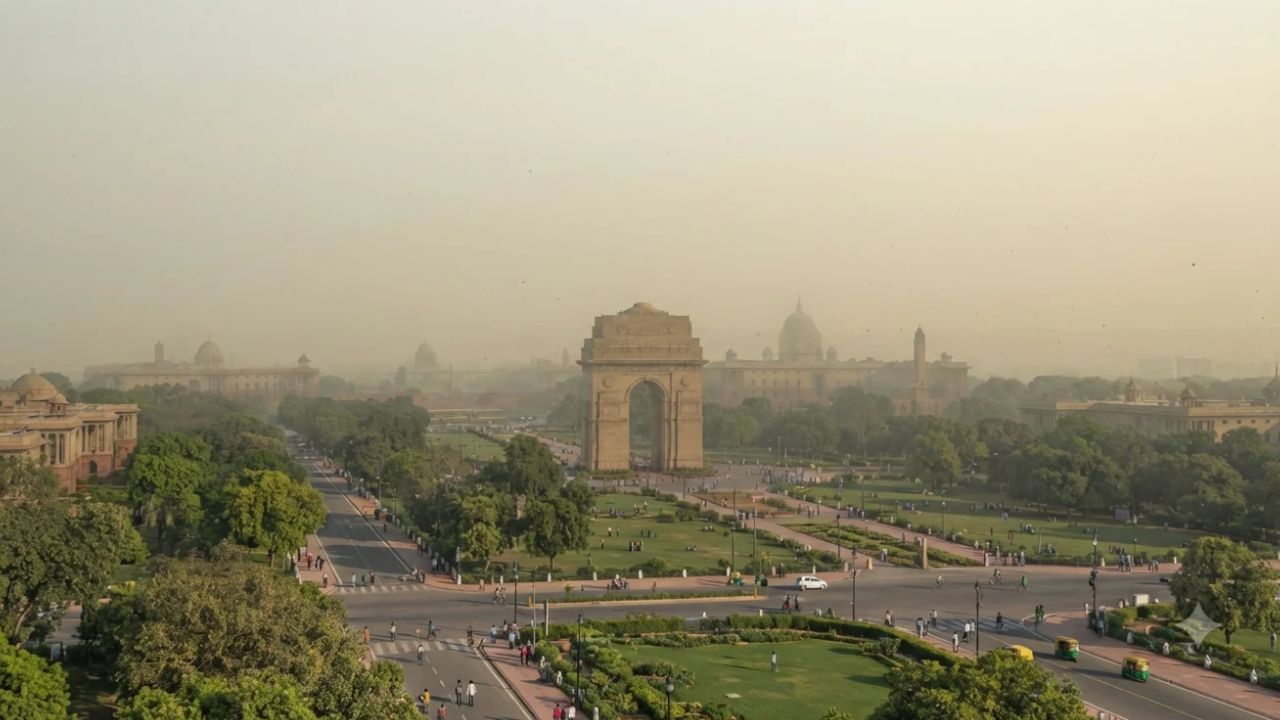
A Breath of Relief! Delhi's Air Quality Shows Gradual Improvement (Img: AI Generated)
New Delhi: Residents of Delhi and the National Capital Region (NCR) have received some relief from rising air pollution as the Air Quality Index (AQI) in the national capital improved to 221 early this morning. The air quality has remained below the 300 mark over the past few days, indicating a gradual improvement in pollution levels.
Although the situation is still far from satisfactory, the downward trend in AQI has brought some respite to residents who have been dealing with polluted air for several weeks.
Also Read:Weather Update Today: Cold Intensifies in North India, Rain in South
An AQI reading above 300 generally indicates a more serious pollution situation, increasing health risks, particularly for vulnerable groups. With the latest reading at 285, Delhi's air quality continues to fall under the 'poor' category.
Despite the overall improvement, several monitoring stations across Delhi-NCR continue to report poor air quality. The latest area-wise AQI readings highlight the varying pollution levels across the region.
According to the latest AQI readings, Noida Sector 62 recorded the highest pollution level at 293, followed by IGI Airport at 271, Bawana at 266 and Chandni Chowk at 261. Anand Vihar registered an AQI of 232, while Ashok Vihar recorded 219. In other NCR areas, Indirapuram in Ghaziabad reported an AQI of 204, and Gurugram's Sector 51 stood at 214. Hapur recorded the lowest AQI among these locations at 141, placing it in the moderate category. Meanwhile, all the other listed areas continued to fall under the poor air quality category.
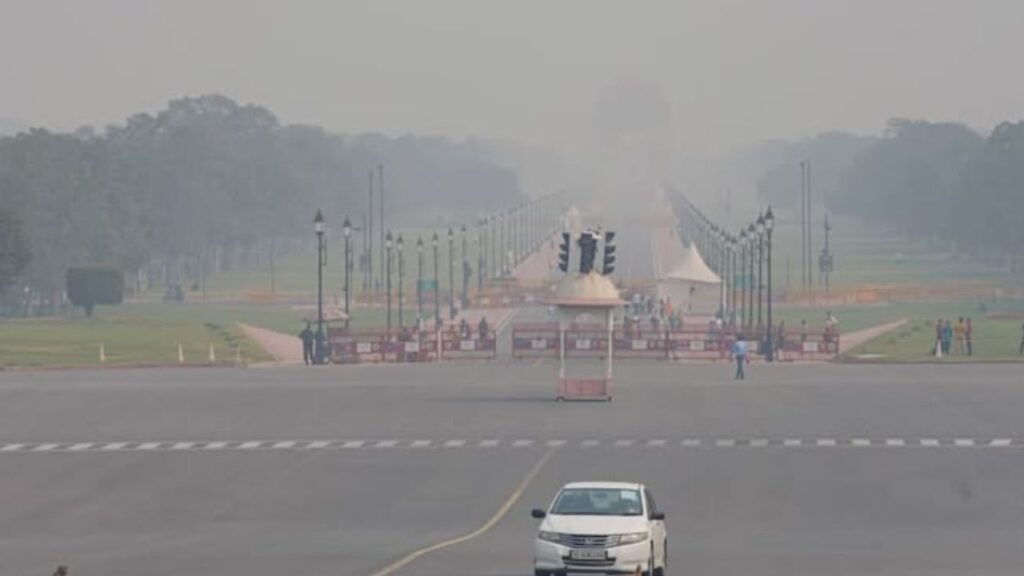
Delhi NCR Pollution Eases, Bringing Much-Needed Relief to Residents (Img: Pinterest)
Air pollution in Delhi typically intensifies with the arrival of winter. Falling temperatures, changing wind patterns and reduced atmospheric dispersion can contribute to the accumulation of pollutants near the ground.
Children, senior citizens and people with existing respiratory or other health conditions are particularly vulnerable during this period. Poor air quality can aggravate breathing difficulties and increase the risk of respiratory complications.
Stubble burning in neighbouring Punjab and Haryana is another seasonal contributor to Delhi's pollution problem. Smoke from agricultural fires can travel towards the national capital, adding to the existing pollution burden.
Authorities are taking various measures to control emissions and tackle pollution-related challenges. Efforts are also being directed towards addressing stubble burning and other sources of harmful pollutants.
While the recent decline in AQI offers some encouragement, Delhi-NCR will need sustained pollution-control measures to achieve cleaner air and protect public health.


