New Delhi: In a significant step toward improving pollution control, Delhi is set to launch a real-time water quality monitoring system for the Yamuna starting in May. The initiative aims to provide continuous, accessible data on the river’s health-similar to how air quality is currently tracked in the capital.
According to officials, the system will include 41 Online Monitoring Stations (OLMS), with six strategically placed along the river and at key drain outfalls. These stations will be installed at Palla, ISBT Bridge, ITO, Nizamuddin Bridge, Okhla Barrage, and Asgarpur by the end of this month.
At present, water quality assessment relies on manual sampling from limited locations, with results available only after laboratory analysis. This delay often slows down timely intervention. The new system is expected to address this gap by delivering real-time data, allowing authorities to quickly detect pollution spikes and identify their sources.
The monitoring stations will track several important parameters, including dissolved oxygen, biochemical oxygen demand (BOD), total suspended solids (TSS), total nitrogen, total phosphorus, and ammonium. However, they will not measure faecal coliform-a key indicator of sewage contamination-which will continue to be assessed through manual lab testing.
Officials emphasized that combining real-time monitoring with periodic laboratory analysis will provide a more comprehensive understanding of the river’s condition. While automated systems improve speed and transparency, lab tests will cover parameters requiring detailed biological examination.
The move is part of broader efforts to clean and restore the Yamuna, which remains heavily polluted due to untreated sewage, industrial waste, and gaps in treatment infrastructure. Authorities believe that better monitoring will lead to stronger enforcement and more targeted clean-up measures.
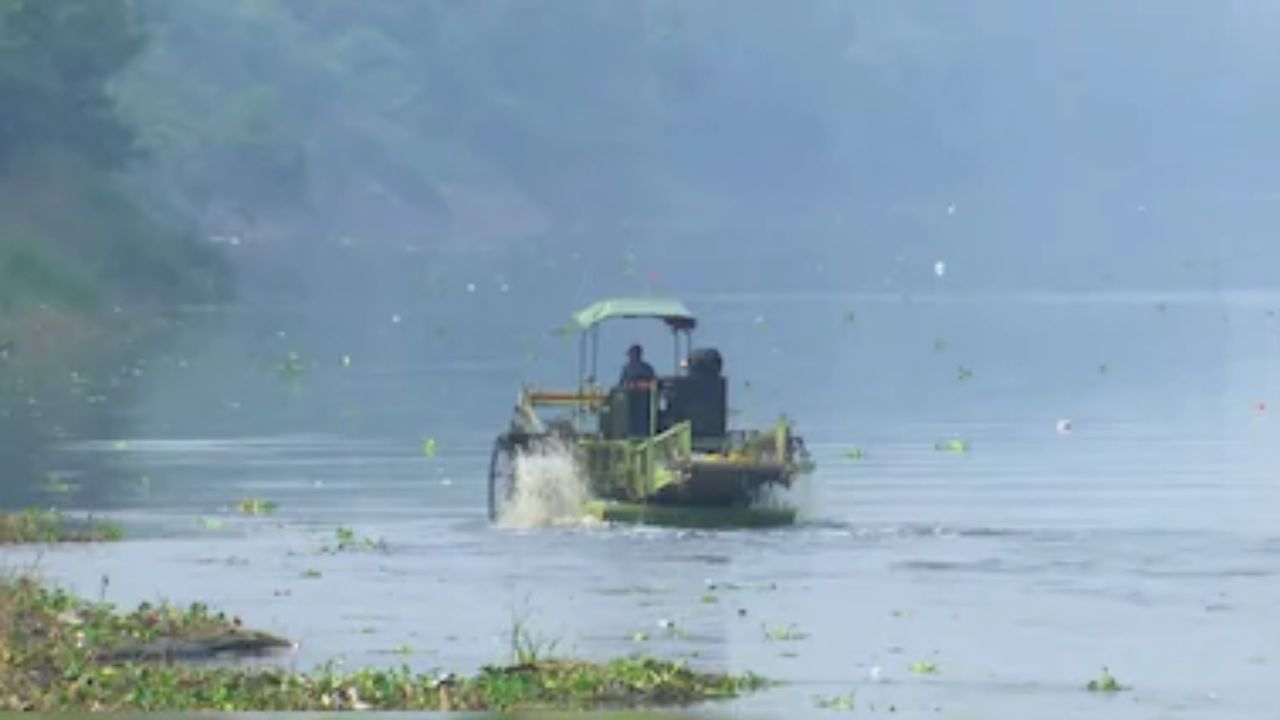
Meanwhile, the river has once again shown signs of distress, with toxic foam reappearing just weeks after it looked cleaner during last year’s Chhath Puja. Temporary measures taken during the festival-such as releasing additional water, deploying skimmers, and restricting pollutants-had improved the river’s appearance, especially at visible stretches like Kalindi Kunj and ITO.
However, once these interventions were scaled back, and with reduced water flow and cooler weather conditions, pollution levels surged again, leading to the return of froth. This underscores the need for sustained, long-term solutions rather than short-term fixes.

