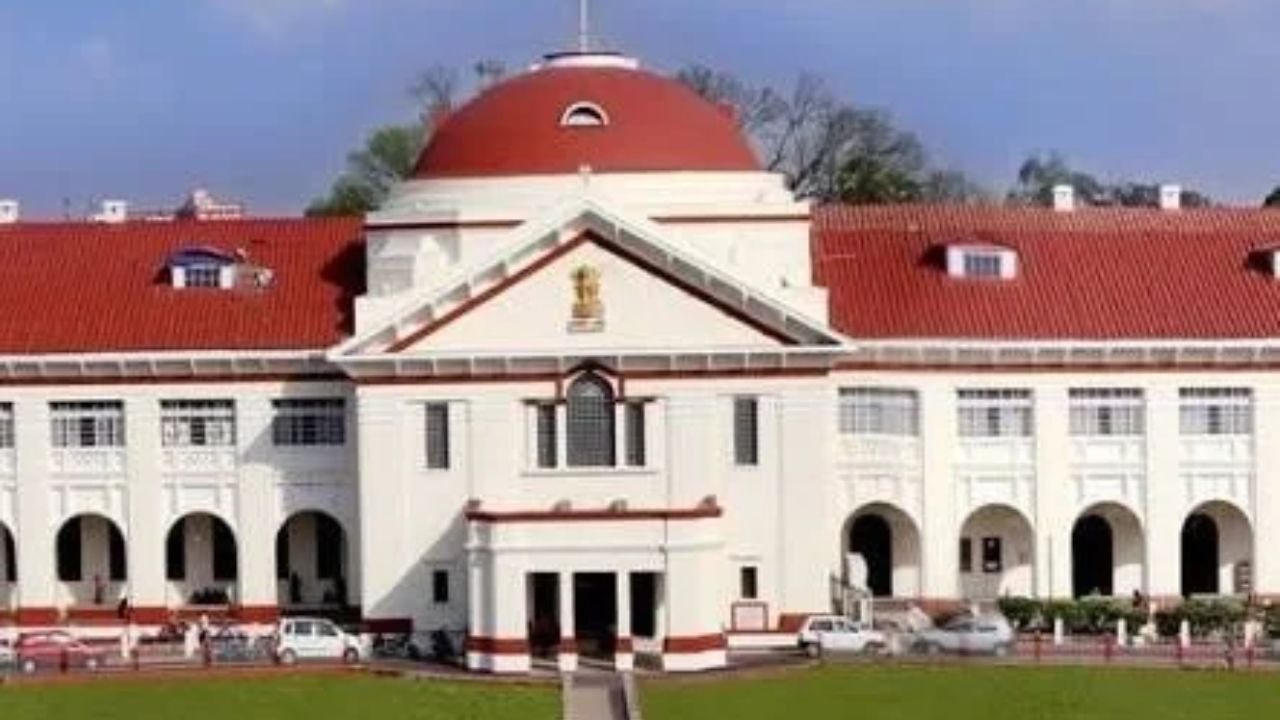
The Patna High Court has rejected a plea seeking permission for 300 devotees in Bihar’s Mahabiri Julus procession, ruling that religious freedom cannot override public order, safety and law-and-order requirements.
Patna: The Patna High Court has ruled that religious freedom is a protected constitutional right but cannot override concerns related to law and order, public safety and social peace.
The single-judge Bench of Justice Alok Kumar dismissed a petition seeking permission for 300 devotees to participate in the Mahabiri Julus procession in Bihar’s Siwan district, observing that religious practices must be carried out within the framework of reasonable restrictions.
The High Court observed that while the Constitution guaranteed citizens the freedom to profess and practise their religion, such rights were not unlimited and must be exercised without affecting the safety and rights of others.
The case was related to the annual Mahabiri Julus organised by Akhara No. 1 in Hathaura village of Siwan district. A devotee had approached the High Court seeking permission for at least 300 people to participate in the religious procession and demanded that the traditional route of the event be restored.
The petitioner argued that the procession had been a long-standing tradition and that Akhara No. 1 had been receiving permission from authorities since 1958.
According to the plea, the number of permitted participants had gradually reduced over the years. In 2012 and 2013, permission was given for participation of around 200 people, which was later reduced to 150 in 2014, 100 in 2015 and eventually restricted to only five participants from 2023 onwards. The petitioner claimed that such restrictions affected a decades-old religious practice and violated constitutional protections related to freedom of religion.
While hearing the matter, the High Court examined the scope of religious freedom under Articles 19(1)(b), 25 and 26 of the Constitution. The Bench made it clear that the right to practice religion and conduct religious processions was protected, but it must be balanced with public order, morality, health and the larger interests of society.
It observed that constitutional protection applied to essential and integral religious practices and does not automatically cover every specific method, route or manner in which an activity is conducted. No fundamental right could operate in isolation and every individual freedom must coexist with the rights of other citizens, it added.
The Bihar government defended the restrictions imposed on the procession, stating that the decision was based on security concerns and previous law-and-order challenges. The administration informed the court that although permission was restricted, large crowds had gathered during earlier processions. Between 2015 and 2022, participation reportedly reached between 1,700 and 2,000 people.
The government also highlighted incidents linked to previous gatherings, including allegations of violence, stone pelting at police personnel and damage to government property. Authorities argued that the restrictions were not aimed at interfering with religious traditions but were preventive steps to protect public safety and maintain peace.
The petitioner had also raised concerns that authorities could continue limiting participation to only five devotees in future processions. However, the High Court rejected this argument, stating that future restrictions could not be decided on the basis of assumptions.
The court said permission for religious gatherings would depend on the prevailing circumstances at the time, including local security assessments, law-and-order conditions and public safety requirements. The Bench observed that authorities must evaluate each situation individually rather than applying a fixed rule for future events.

