Western Disturbance to Change India’s Weather; Rain, Snow Likely in Hills
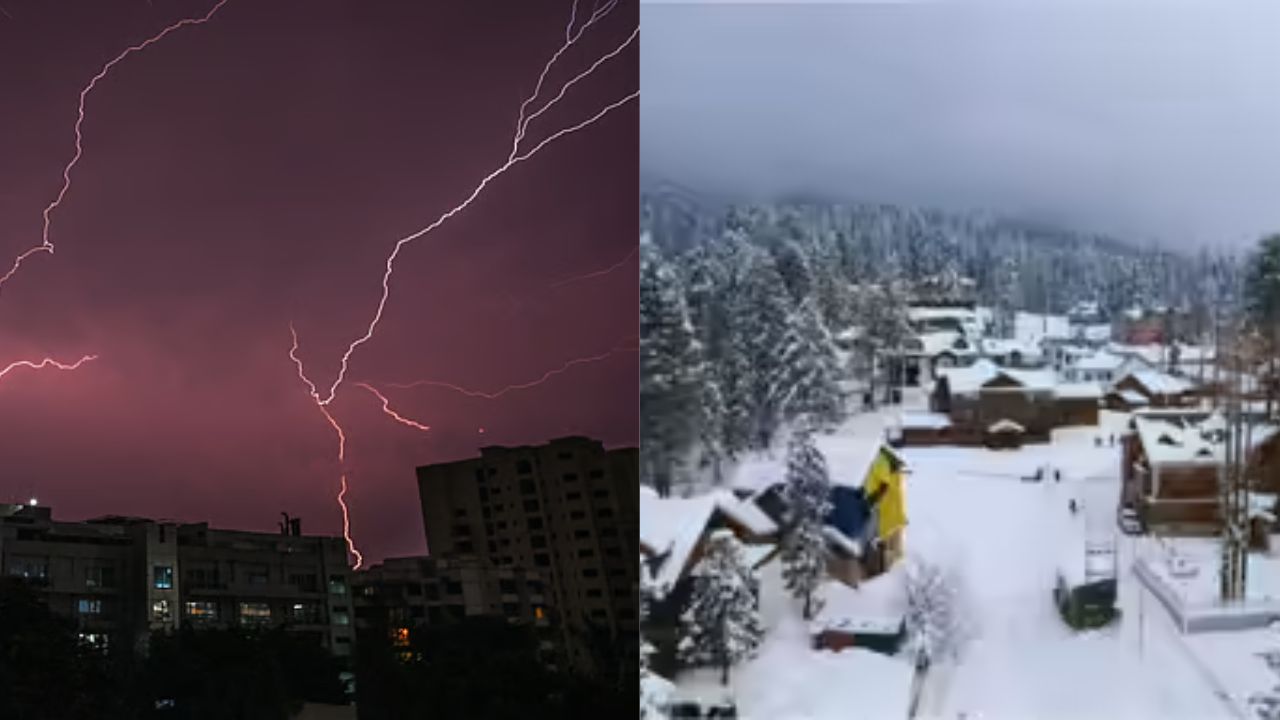
New Delhi: The weather is rapidly changing in many parts of the country in mid-February. There are signs of a resurgence of cold in the mountainous regions of North India, while rain and thunderstorms are expected in the plains. This change in weather is due to the activation of a Western Disturbance, the effects of which may be felt in various states over the coming days.
According to the Meteorological Department, a new Western Disturbance will become active in the Western Himalayan regions from February 16th. As a result, many areas of Himachal Pradesh, Uttarakhand, Jammu and Kashmir, Ladakh, Gilgit-Baltistan, and Muzaffarabad may experience rain and snowfall between February 16th and 18th. Fresh snowfall in the high altitude areas is expected to increase the cold and disrupt normal life. Dense fog is also predicted in some parts of Himachal Pradesh until February 15th in the morning.
Light rain and thunderstorms are expected in many parts of Punjab, Haryana, Chandigarh, western Uttar Pradesh, and northern Rajasthan on February 17th due to a western disturbance. Strong winds may also cause a temporary drop in temperatures. This rain is considered beneficial for farmers for some crops, although the possibility of damage cannot be ruled out if hailstorms occur.
While cold and rain are increasing in North India, heat and humidity are troubling people in the southern and coastal states. The maximum temperature in Karwar, Karnataka, reached 37.4 degrees Celsius, while the minimum temperature in Sikar, western Rajasthan, was 6.5 degrees Celsius. This temperature difference clearly reflects the changing weather patterns in different parts of the country.
According to the latest update, a strong subtropical westerly jet stream is currently active over North India, strengthening the weather system. The India Meteorological Department has advised people to remain vigilant in view of the changing weather, consult weather information before traveling, and take precautions against heat and cold. These weather fluctuations are likely to continue in the coming days, affecting temperature and rainfall conditions in many states.

