English
 English

Strengthening judicial ties: CJI Surya Kant meets Brazil's top judicial leadership during his three-day official visit. (Img: Dynamite News)
Brasília/ Rio de Janeiro: India took another significant step towards strengthening international judicial cooperation, with Chief Justice of India (CJI) Surya Kant leading a high-level Supreme Court delegation to Brasília and Rio de Janeiro from November 11 to 13, 2026.
The delegation participated in several bilateral meetings with the objective of developing, promoting and strengthening the judicial cooperation between India and Brazil, particularly within the BRICS framework. The visit centred on discussions involving some of Brazil's most senior judicial authorities.
Among the key subjects was the possibility of establishing a common platform for mediation and arbitration among BRICS countries, an initiative that could strengthen cooperation in resolving cross-border disputes. The discussions also covered the growing influence of artificial intelligence in judicial processes, constitutional democracy, judicial independence, digital platform regulation and climate justice.
(Img: Dynamite News)
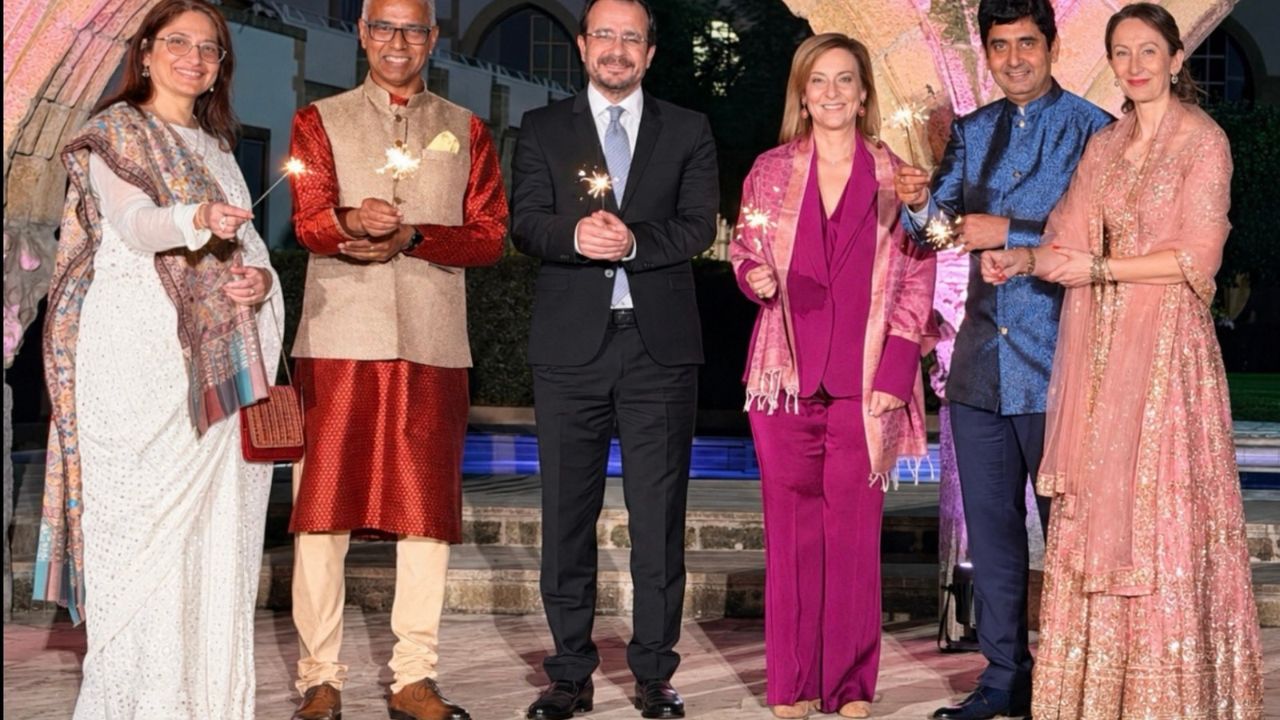
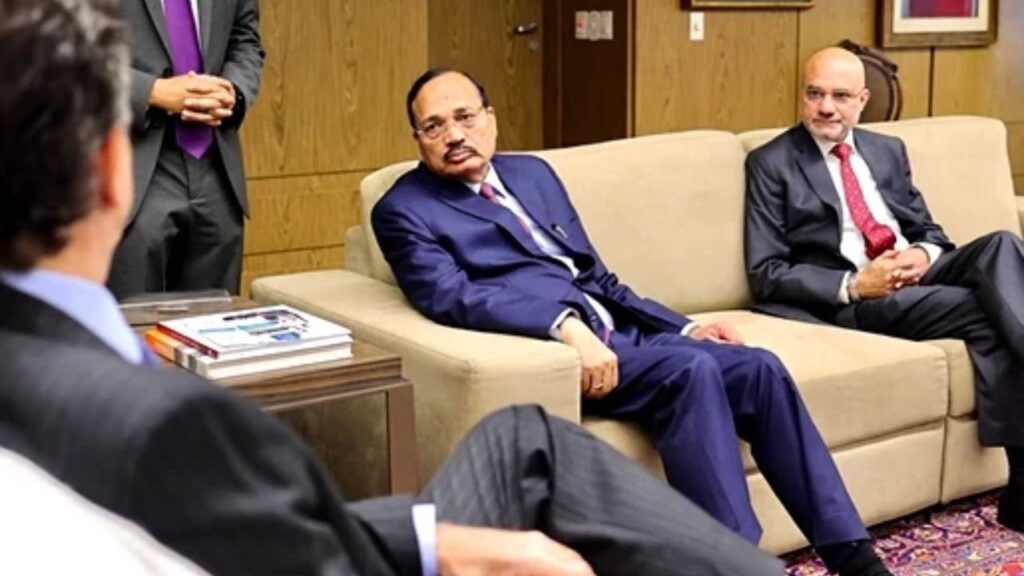
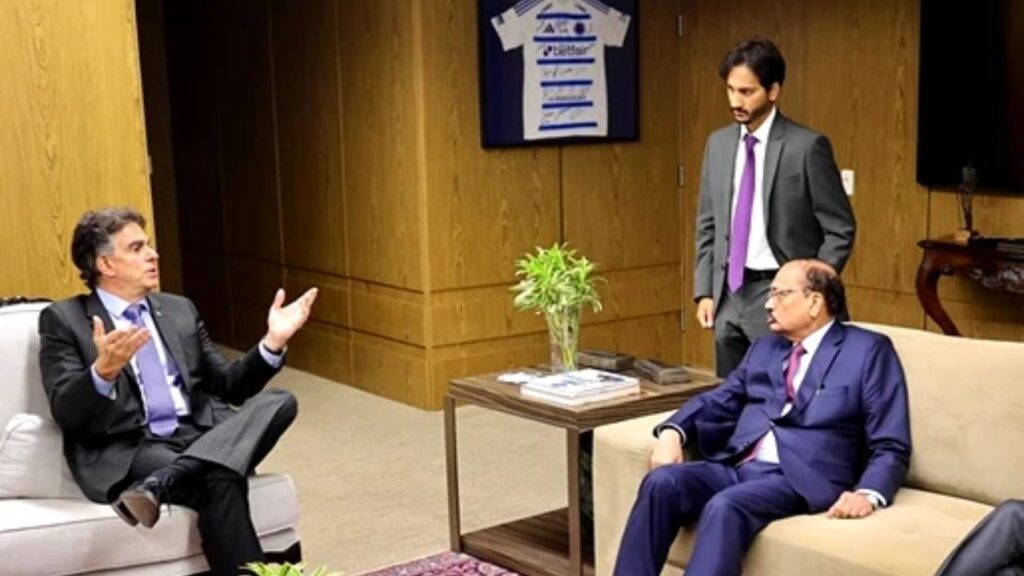
One of the most important deliberations took place in Brasília, where CJI Surya Kant and the Indian delegation met Justice Luiz Edson Fachin, President of Brazil's Federal Supreme Court, along with other judges and senior officials. India's Ambassador to Brazil, Dinesh Bhatia, accompanied the delegation during the meetings.
They explored the possibility of creating a common mediation and arbitration platform for BRICS countries, in order to provide a collaborative framework for resolving commercial and other cross-border disputes, while encouraging the use of alternative dispute resolution mechanisms.
Also Read: ‘Bharat Badnaam Summit’: BJP Slams Rahul Gandhi, Accuses Him Of Defaming India
Beyond arbitration, the discussions between the Indian and Brazilian judicial leadership addressed two fundamental pillars of democratic governance: judicial independence and constitutional democracy. The exchange provided an opportunity for both sides to share perspectives on the role of courts in protecting constitutional principles and maintaining institutional independence. The discussions also covered the regulation of digital platforms and the challenges emerging from the rapid transformation of the digital environment.
As technology increasingly influences public communication, commerce and access to information, judicial institutions face growing questions involving accountability, regulation and constitutional protections. The engagement highlighted the importance of international dialogue in understanding these evolving legal challenges.
(Img: Dynamite News)
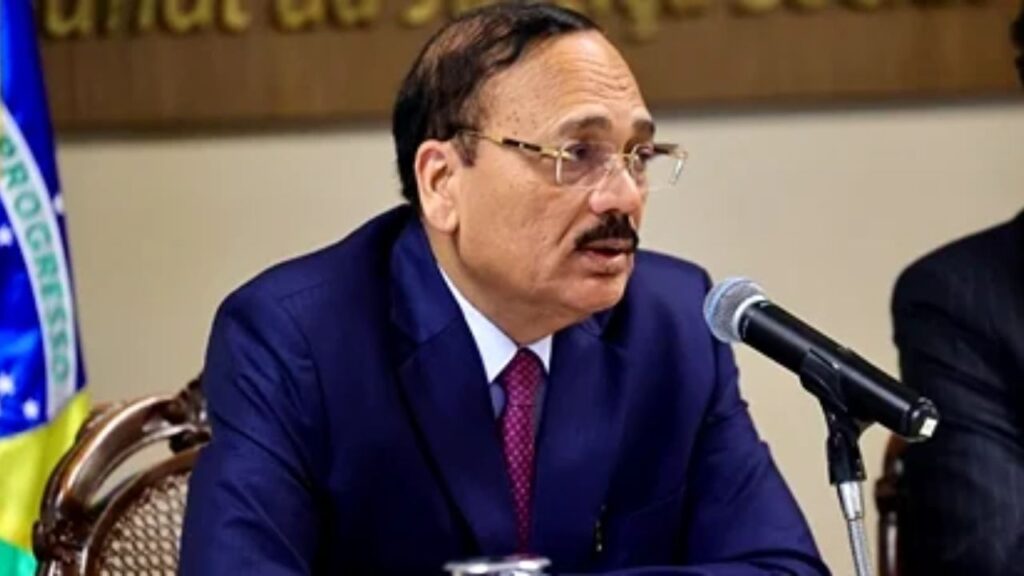
Artificial intelligence and the use of new technologies in judicial administration emerged as another major theme during the Brazil visit. The Indian delegation subsequently visited Brazil's Superior Court of Justice (STJ), where it met the court's President, Justice Luis Felipe Salomão, and other senior judicial representatives.
The discussions covered collaboration in cross-border mediation and arbitration, technology and artificial intelligence, as well as constitutionalism. The delegation also met Counsellor Rodrigo Badaró of Brazil's National Council of Justice, where emerging issues concerning the use of artificial intelligence in judicial processes were discussed.
The growing adoption of AI presents opportunities for improving case management, legal research and administrative efficiency. At the same time, it raises important questions about transparency, accountability, accuracy and the protection of fundamental rights. The exchange of institutional experiences between India and Brazil could contribute to a broader understanding of how judicial systems can responsibly embrace technological innovation.
(Img: Dynamite News)
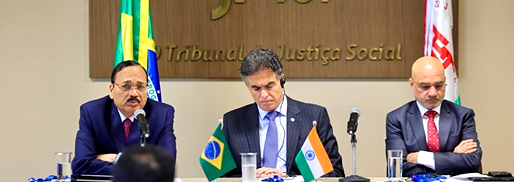
The Indian delegation also held discussions with Justice Luiz Philippe Vieira de Mello Filho, President of Brazil's Superior Labour Court, and other judges from the country's labour judiciary. The interaction focused on the resolution of labour disputes and the exchange of judicial best practices.
Both sides shared their experiences in addressing employment-related disputes and discussed approaches adopted by their respective judicial systems. The engagement assumes significance amid changing labour markets, technological disruption and evolving employment arrangements, which continue to create new challenges for labour justice systems.
(Img: Dynamite News)
One of the most people-centric aspects of CJI Surya Kant's visit unfolded in Rio de Janeiro, where the Indian delegation visited Brazil's Mobile Court. The delegation received a presentation on the Mobile Justice Bus, an initiative aimed at expanding access to justice.
The model highlights an important challenge confronting judicial systems across the world: ensuring that justice reaches people who face geographical, financial or practical barriers in accessing conventional court services. For citizens living in remote and underserved communities, access to legal institutions can often be difficult.
Mobile justice initiatives seek to bridge this gap by bringing judicial services closer to people. The initiative offered the Indian delegation an opportunity to understand an alternative approach to improving access to justice and exploring innovative methods of service delivery. Although no decision to introduce the Brazilian model in India was announced, the visit highlighted an area of potential institutional learning.
Also Read: India Stun Pakistan in Last-Ball Thriller to Win U-19 Asia Cup 2026 Title
The Indian delegation also visited the Court of Justice of the State of Rio de Janeiro (TJRJ), where it interacted with judges specialising in organised crime cases. The discussions involved an exchange of judicial experiences and perspectives on addressing organised crime-related challenges.
As criminal networks increasingly operate across geographical boundaries, judicial institutions face complex questions involving investigation, prosecution, evidence and international cooperation. The exchange provided an opportunity for Indian and Brazilian judicial representatives to share their experiences in dealing with such cases. The Rio de Janeiro engagements concluded with a meeting between CJI Surya Kant and the President of the TJRJ, Appeal Court Judge Ricardo Couto de Castro.