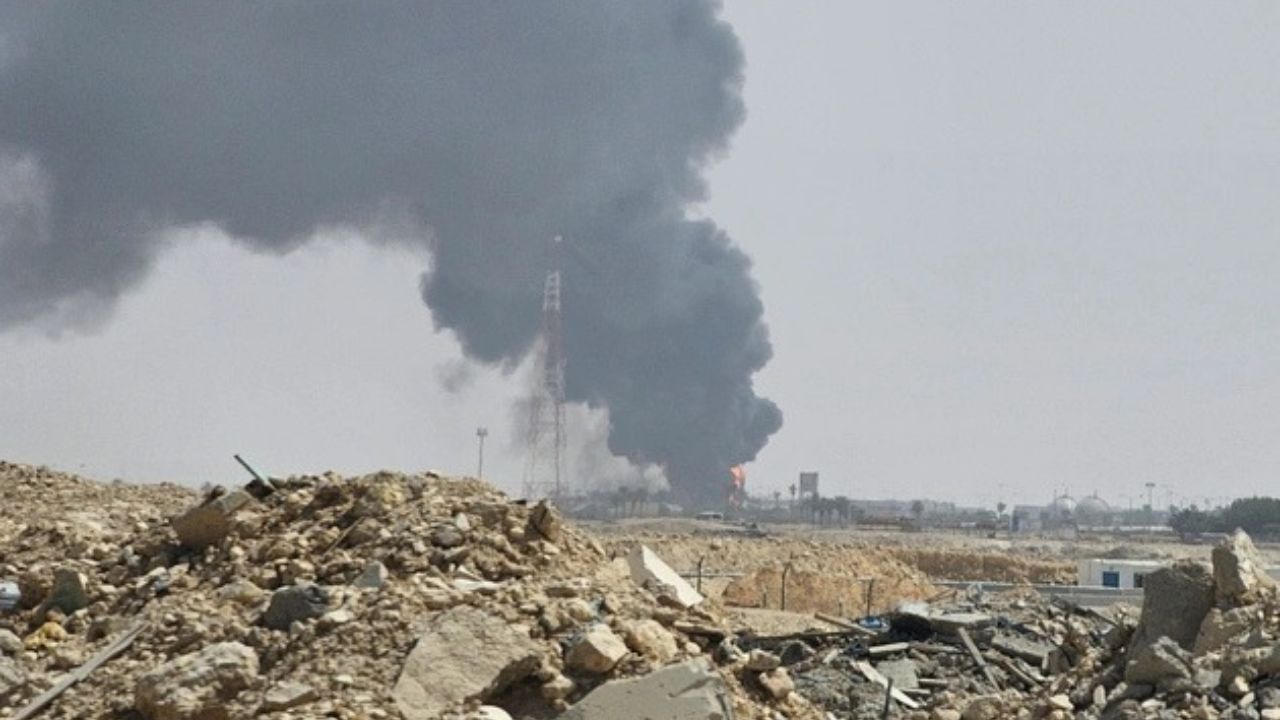
Smoke rises near King Khalid International Airport in Riyadh following reported attacks as Saudi Arabia faces renewed security concerns. (Img: X)
New Delhi: India on Sunday strongly condemned the deadly missile attack on Saudi Arabia’s King Khalid International Airport in Riyadh, which reportedly killed 12 people and left more than 300 injured. In a statement issued today, the Ministry of External Affairs (MEA) said repeated attacks on civilians and civilian infrastructure were completely unacceptable and must stop immediately.
The attack on October 10 has intensified concerns over security in Saudi Arabia, a key Gulf nation and a major international aviation hub. With airport operations disrupted and the United States considering its response to the escalating conflict, the incident has become a major international flashpoint.
India expressed condolences to the families of those killed during the repeated attacks on Riyadh’s King Khalid International Airport over the preceding days and wished a speedy recovery to those injured. New Delhi also reaffirmed its solidarity with the government and people of Saudi Arabia in defending the kingdom’s sovereignty. India expressed hope that peace and normalcy would return to the region at the earliest.
India’s response comes amid growing concerns about the safety of civilians and critical infrastructure as hostilities spread across parts of the Middle East. Airports, energy facilities and transport networks are essential to civilian life and regional economic activity, making attacks on such locations particularly concerning.
The October 10 attack reportedly killed 12 people and injured more than 300 others. Reports identified victims from several nationalities, including Saudi Arabia, Bangladesh, Palestine, the United States, Egypt, Jordan, Syria and Sudan.
The reported casualties highlight the human cost of the escalating conflict, with people from different countries affected at a major international transport hub.
The missile reportedly struck the King Khalid International Airport complex, which includes Terminals 3 and 4 serving domestic flights. The incident was described in reports as one of the deadliest attacks on Saudi soil in more than a decade.
Saudi Arabia has blamed Iran-backed Houthi rebels in neighbouring Yemen for the latest attack. The attribution comes as the kingdom faces renewed security threats amid the deterioration of the long-running conflict in Yemen.
The attack forced a temporary suspension of airport operations, while travellers were evacuated and emergency services rushed to the affected area. Passengers were advised to check with their airlines before leaving for the airport.
Flight-tracking platforms reported widespread disruption. Flights heading to Riyadh were diverted to other destinations, while FlightAware reported that at least 225 flights at King Khalid International Airport had been cancelled in the preceding 24 hours.
The disruption raised concerns for passengers, airline operators and people travelling through the Gulf. Extended airport closures can affect connecting flights, international travel schedules and cargo movement, with consequences extending beyond the country directly affected. For travellers planning journeys through Riyadh, the key concern remains the status of individual flights and whether normal airport operations can resume safely.
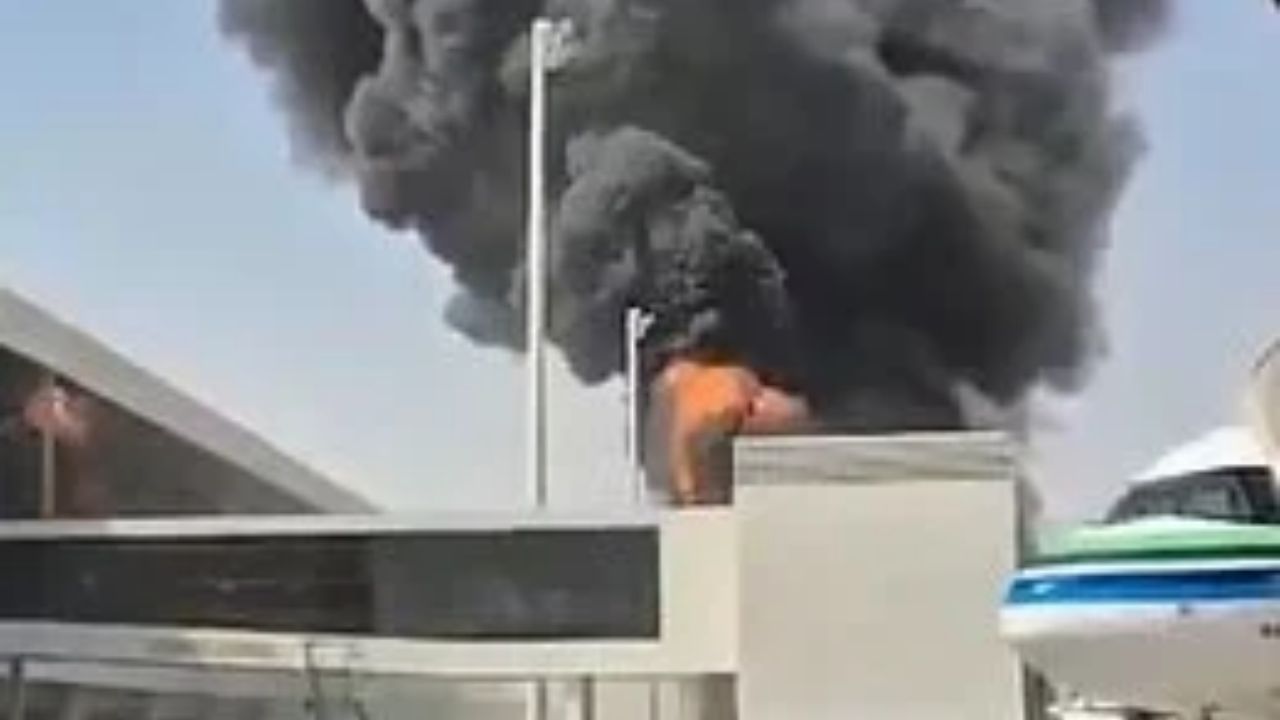
The latest strike followed other reported attacks on Saudi aviation facilities during the same week. Incidents involving King Khalid International Airport and Abha International Airport on October 6 and 7 reportedly killed three people and injured 36, according to information attributed to Saudi aviation authorities.
The Houthis have targeted Saudi interests, including airports, oil facilities and tankers, amid renewed hostilities following the collapse of a truce in Yemen in July.
The conflict pits the Iran-backed Houthi movement against Yemen’s internationally recognised government, which has received military support from a Saudi-led coalition since 2015. A United Nations-brokered truce had helped reduce fighting before the latest breakdown in the ceasefire.
The renewed violence has raised fears that Saudi Arabia and other regional actors could become increasingly involved in a broader confrontation. Repeated attacks on infrastructure also risk worsening the humanitarian and economic consequences of the conflict.
The United States has also condemned the attacks on Saudi Arabia’s airport. US President Donald Trump indicated on Saturday that Washington could consider joining Saudi military strikes against the Houthis.
Trump said the US would assess the latest developments before making a decision. His remarks have drawn attention to the possibility of additional American military involvement as Saudi Arabia faces repeated attacks.
Reports in US media have previously suggested that some Saudi requests for American military assistance were rejected. It remains unclear whether the latest strike will lead to a change in Washington’s position or result in direct US participation in further operations against the Houthis. Any decision to expand military involvement could have wider implications for regional security, diplomatic relations and the trajectory of the Yemen conflict.
The attack is significant not only because of the reported death toll but also because it targeted a major civilian aviation facility. Airports serve as critical links for international travel, trade and emergency movement. Disruptions can affect thousands of passengers and create uncertainty for airlines and businesses.
The incident also adds another layer of risk to an already volatile Middle East, where tensions involving Iran, the United States, Saudi Arabia and Iran-backed groups have heightened fears of a broader regional conflict.
For India, the safety of civilians and the stability of the Gulf are important concerns. The region is home to a large Indian expatriate population and plays a major role in energy supplies, trade and international connectivity.
New Delhi’s condemnation and expression of solidarity with Riyadh underline its call for an end to attacks on civilian infrastructure. The immediate focus remains on the condition of the injured, the restoration of safe airport operations and whether further military action will follow.
India has called for the attacks to stop immediately and expressed hope for an early return to peace and normalcy. Whether diplomatic efforts can prevent further escalation remains a key question as the conflict continues to evolve.


