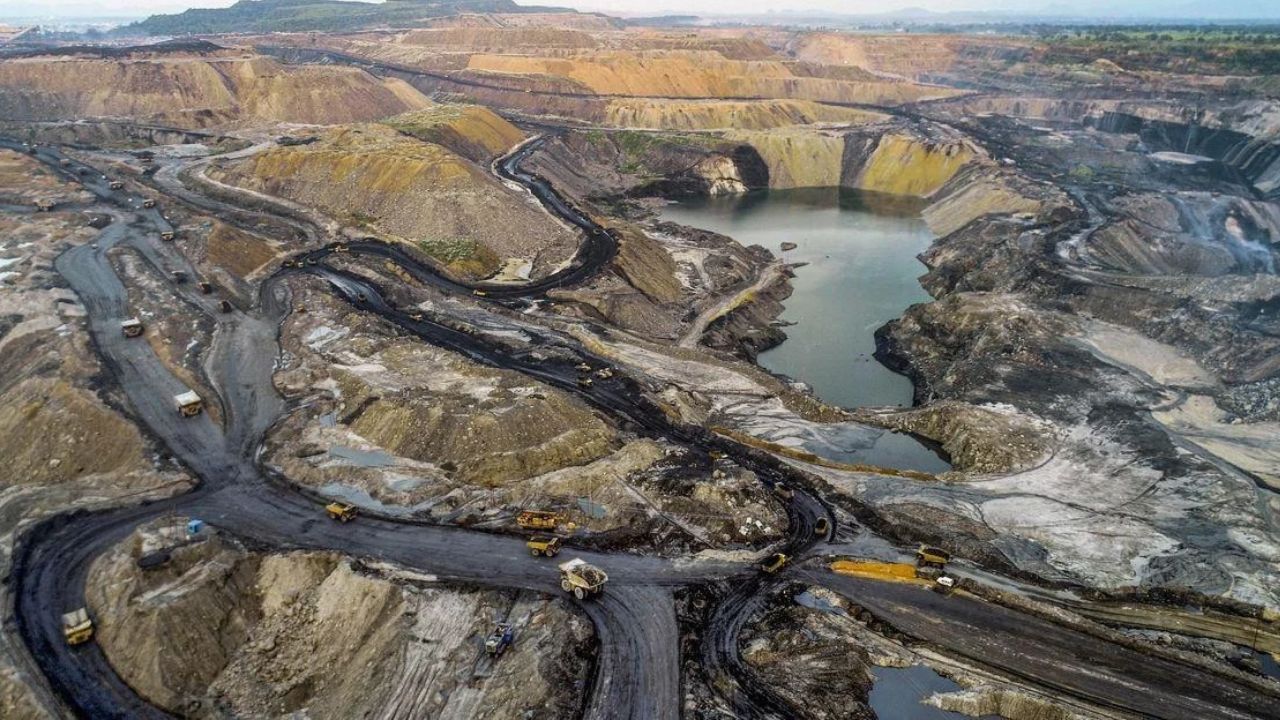
India’s Mining Plant (Img: Pinterest)
New Delhi: The Mines and Minerals (Development and Regulation) Amendment Act, 2026 marks a significant shift in India’s approach to mineral governance, with a focus on fiscal certainty, stronger national oversight and greater investment in the mining sector.
Passed by the Lok Sabha on August 12 and the Rajya Sabha on August 13, the legislation seeks to address concerns over varying State-level taxes, cesses and duties imposed on mineral resources and mineral-bearing land.
A key provision of the amendment is Section 9D, which places restrictions on State governments imposing new taxes, cesses or duties related to mineral rights or mineral-bearing land, except in circumstances prescribed by the Centre.
The legislation also provides for cancellation of certain unpaid or uncollected levies imposed by States before the amendment comes into force. However, amounts that have already been deposited or recovered will not be refunded.
The changes are aimed at reducing fiscal uncertainty and protecting mining operations from unexpected or retrospective financial liabilities.
The reform does not remove States from the mineral economy. Government and Coal India communications indicate that States will continue to receive nearly 90% of mining-sector revenue.
State revenues from mining have increased substantially, rising from ₹25,206 crore in 2014-15 to ₹1,14,549 crore in 2025-26. Cumulative revenue accrued to States since 2014 is reported to have crossed ₹7 lakh crore.
At the same time, nearly 50 minor minerals, including sand, gravel, boulders and murram, will remain under State jurisdiction.
The 2026 legislation builds on a series of reforms introduced under the MMDR framework. Earlier amendments brought auction-based mineral allocation, District Mineral Foundations, the National Mineral Exploration Trust and greater private participation in exploration.
Reforms have also focused on critical minerals and deep-seated mineral deposits. The 2025 amendment further expanded the framework by allowing associated minerals and contiguous areas for deep-seated deposits, while strengthening support for mine development.
The latest amendment is part of a broader effort to create a more predictable and nationally coordinated mineral regime.
The government aims to encourage exploration, attract investment, increase domestic mineral production and strengthen India's supply chains for critical resources.
With mineral security becoming increasingly important for infrastructure, energy and advanced industries, the reforms seek to support long-term industrial growth while maintaining a significant role for States in resource management.

