 English
 English

MTA speak Anti-paper leak bill
New Delhi: A single paper leak can destroy the hard work of lakhs of students. The recent Anti Paper Leak Amendment Law 2026 has now become one of the biggest talking points across the country. While the government says the new law will end the paper leak mafia, the opposition believes that stricter laws alone cannot solve the problem unless the examination system is improved.
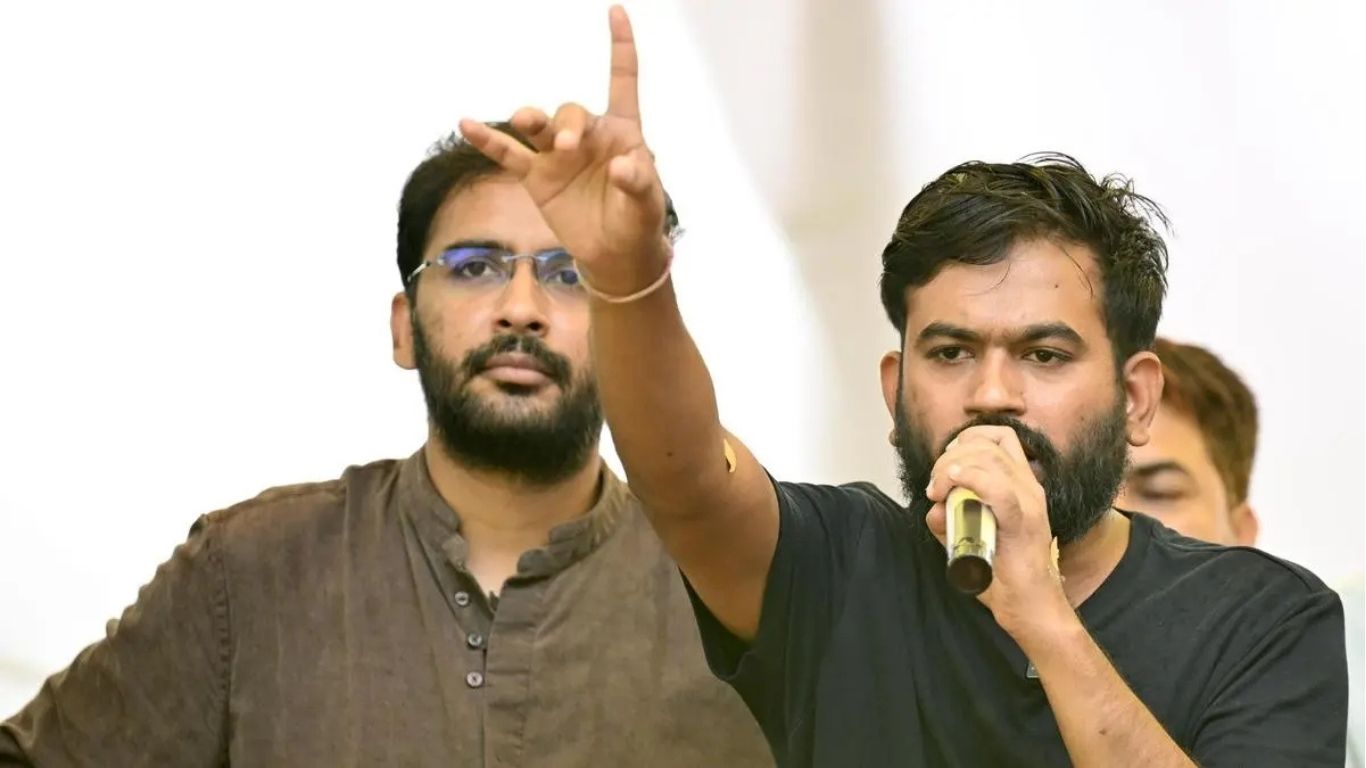
Senior journalist Manoj Tibrewal Aakash, in his popular show The MTA Speaks, explained the new Anti Paper Leak Law in detail. In this special analysis, understand why the government introduced this law, how the NEET controversy changed the debate, what happened in Parliament, which examinations are covered, what punishment offenders will face, and whether students can finally expect fair and secure examinations.
Paper leak cases have been reported in several competitive examinations over the years. However, the issue became a national debate after the 2026 NEET controversy.
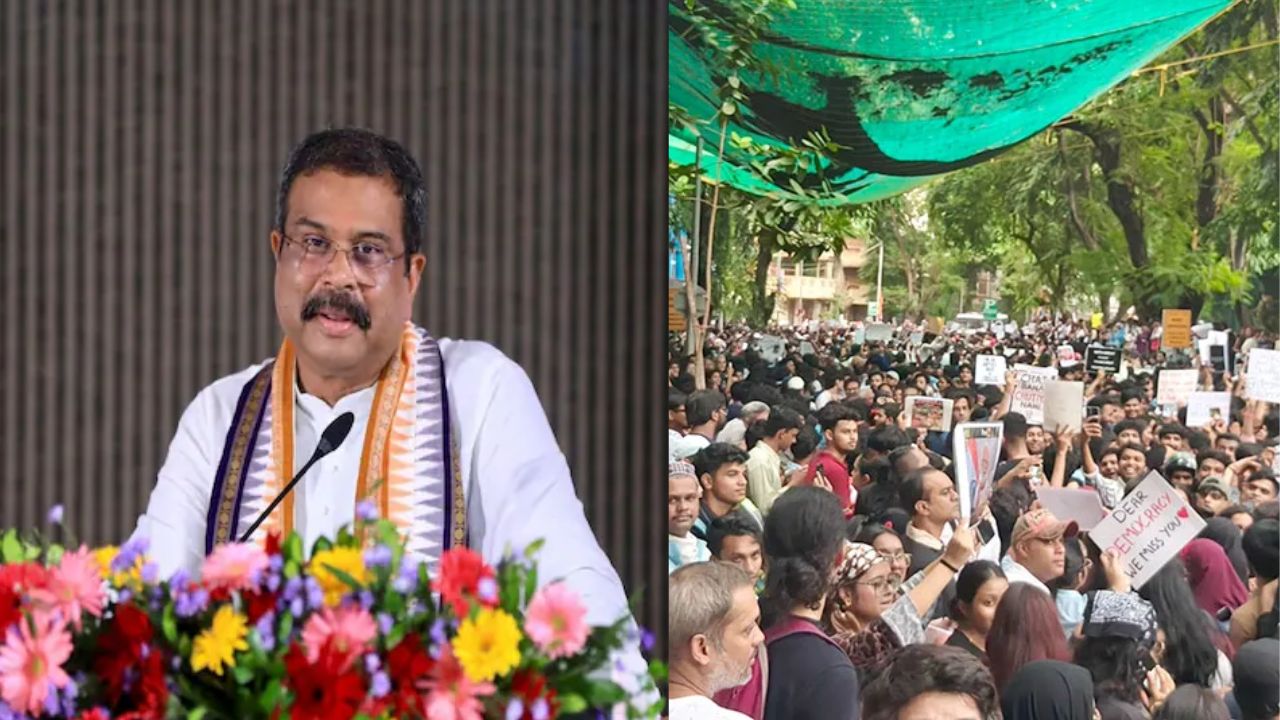
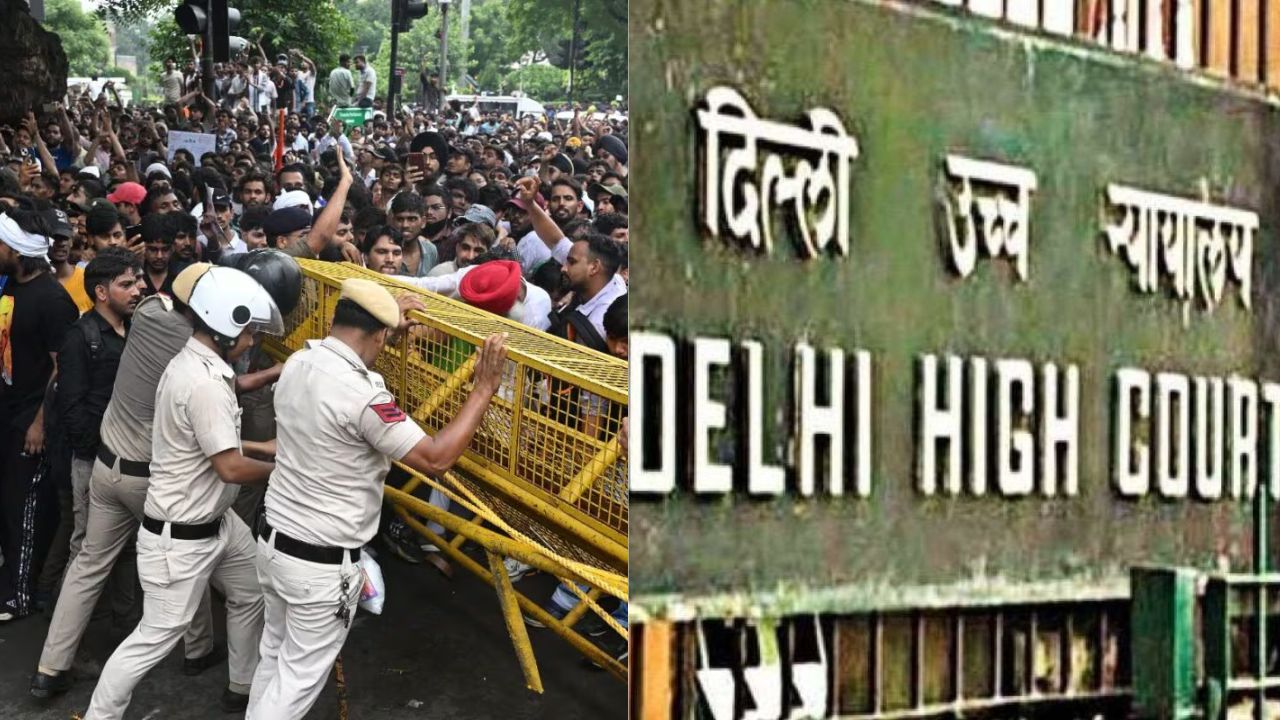
Lakhs of students questioned the transparency of the examination process. Many students and parents demanded strict action against those responsible. Protests were held in various parts of the country, with students saying their hard work had been wasted due to repeated paper leaks.
In The MTA Speaks, Manoj Tibrewal Aakash explained that growing public pressure pushed the government to introduce a stronger law against organised paper leak networks.
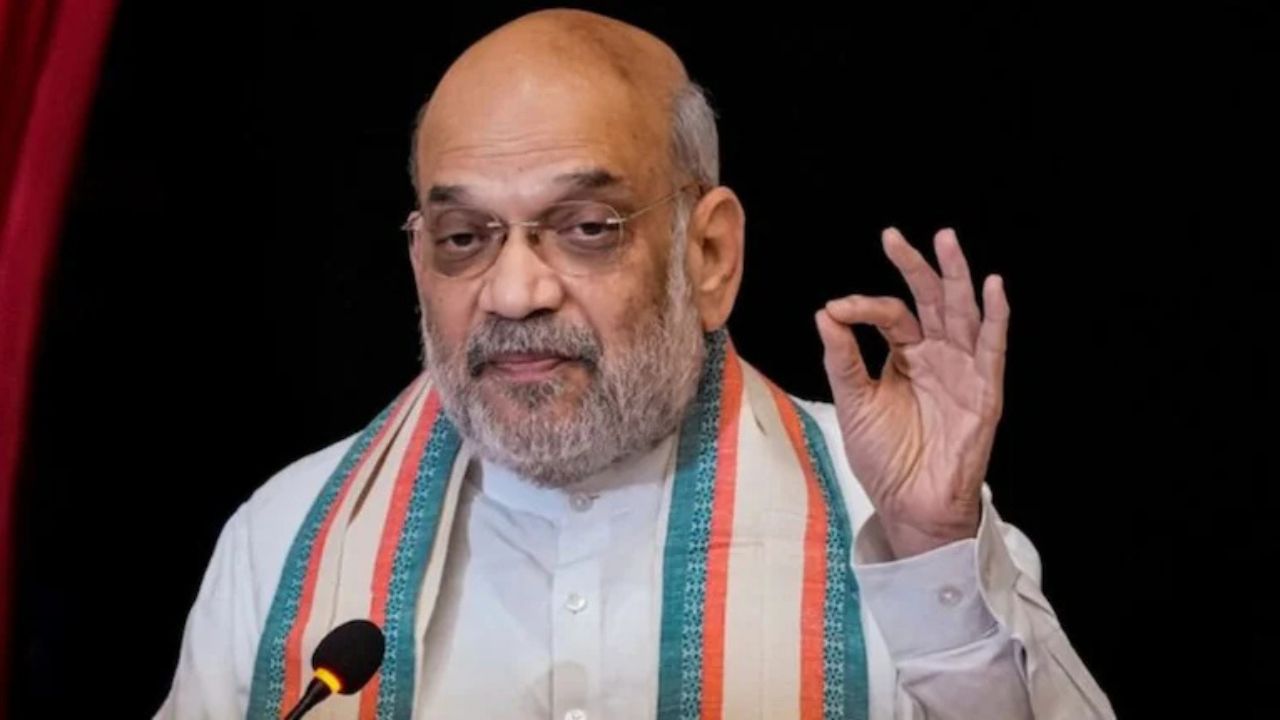
Following the controversy, the central government introduced the Anti-Paper Leak Amendment Bill 2026 in Parliament.
The government argued that the existing laws were not strong enough to stop organised paper leak gangs and digital cheating. According to the government, tougher punishment was necessary to protect the future of honest students.
At the same time, opposition parties questioned why repeated paper leaks had taken place despite existing rules. They argued that fixing the examination system was just as important as making stricter laws.
As explained by Manoj Tibrewal Aakash in The MTA Speaks, the bill witnessed several days of heated discussion during the Monsoon Session.
The opposition demanded accountability for previous paper leak cases and questioned the government's handling of earlier controversies.
The government defended the bill and said that a strict legal framework was necessary to stop organised cheating.
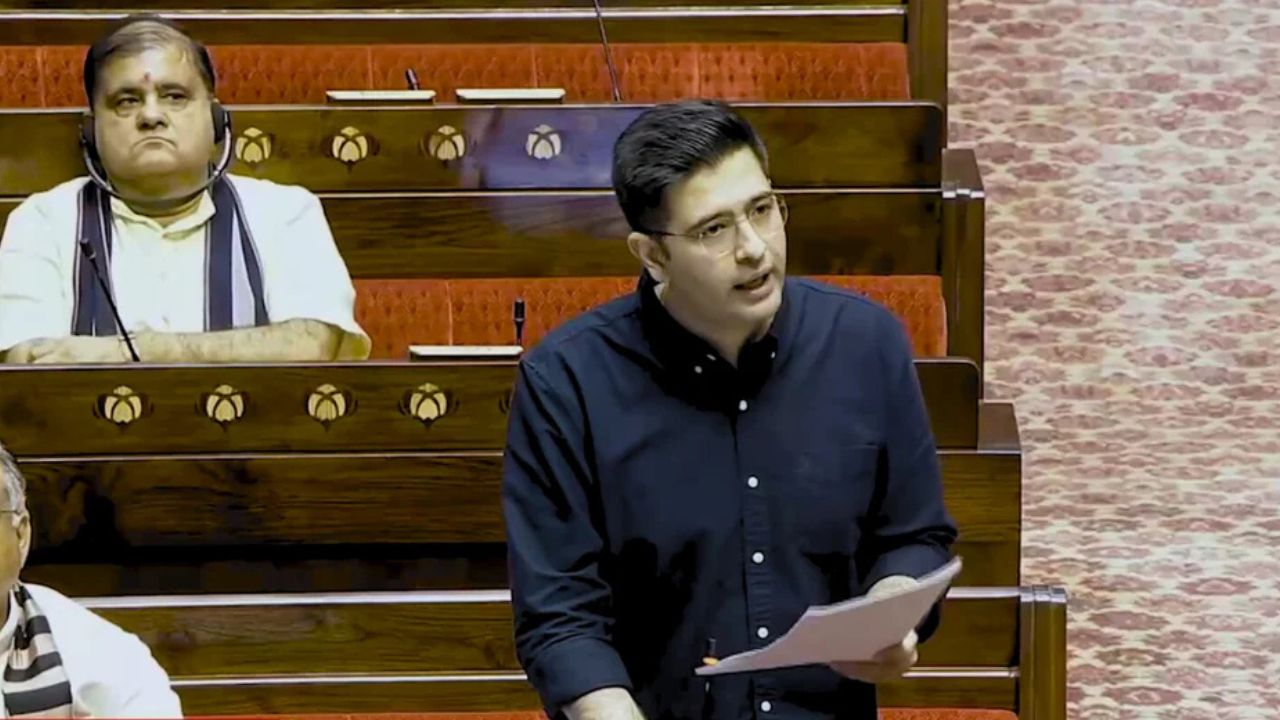
After several rounds of discussion, the Lok Sabha passed the bill. It was later approved by the Rajya Sabha despite protests and walkouts by opposition members.
After receiving the President's assent, the bill officially became law.
Many students are asking which examinations are covered by the new law.
According to the government, the law applies to public examinations conducted by the central government, its agencies and notified authorities.
These include UPSC examinations, SSC recruitment exams, Railway Recruitment Board examinations, banking recruitment exams and National Testing Agency examinations such as NEET, JEE and CUET. Other public examinations notified by the central government will also be covered.
In simple words, most major national entrance and recruitment examinations now fall under this law.
The government has introduced much stricter punishment under the new law.
Anyone found guilty of leaking question papers, selling papers, organising cheating, or committing serious examination fraud can face imprisonment ranging from five years to ten years. They can also be fined up to Rs 50 lakh.
If organised criminal gangs are involved, the punishment becomes even stricter. Such cases can lead to a minimum of seven years in prison along with fines of up to Rs 10 crore.
According to the government, these strong punishments are meant to break organised paper leak networks and protect students' futures.
One of the biggest concerns among students is whether the new rules will make examinations more difficult.
In The MTA Speaks, Manoj Tibrewal Aakash explained that the government has repeatedly said the law is not aimed at students.
Instead, the focus is on paper leak gangs, corrupt officials, middlemen and institutions involved in examination fraud.
The government also plans to improve security at examination centres, strengthen digital monitoring and make the handling of question papers more secure.
The issue of paper leaks has affected several important examinations over the past few years.
Apart from NEET, questions were raised over UGC NET, teacher recruitment examinations, police recruitment tests and several state-level competitive examinations.
Many candidates also raised concerns about railway recruitment examinations.
In almost every case, it was students who suffered the most. Months and sometimes years of preparation went to waste because of cancelled examinations, delayed results and fresh tests.
The debate continues even after the law has come into force.
The government believes that strict punishment and stronger security measures will discourage organised paper leak gangs.
The opposition believes that punishment alone is not enough and says that deeper reforms in the examination system are also necessary.
As Manoj Tibrewal Aakash explains in The MTA Speaks, the success of the law will ultimately depend on how effectively it is implemented on the ground.
The new Anti Paper Leak Law has raised hopes among lakhs of students preparing for competitive examinations.
If implemented properly, it could help restore trust in India's examination system. However, only time will tell whether the new law succeeds in stopping paper leaks permanently or whether further reforms will still be needed.
For now, one thing is certain. Students across the country will closely watch how the government enforces this law because their future depends on a fair and transparent examination system.