 English
 English

Surendra Koli (Img: Pinterest)
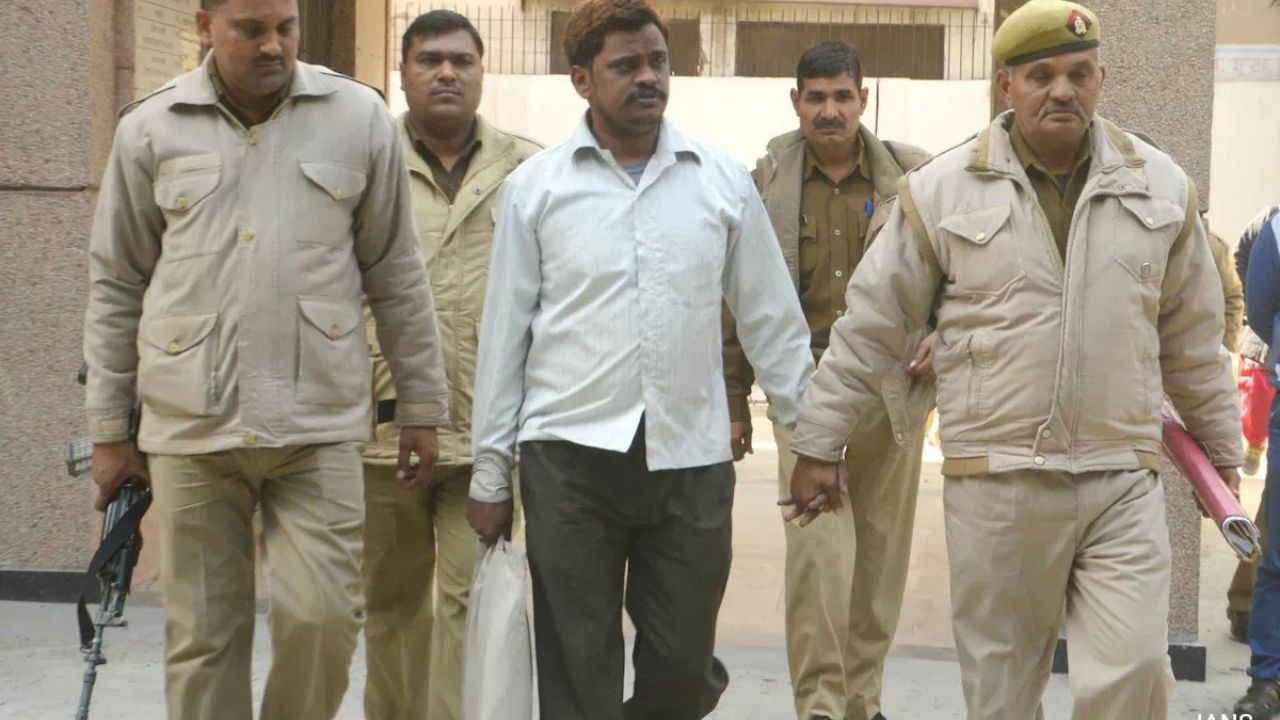
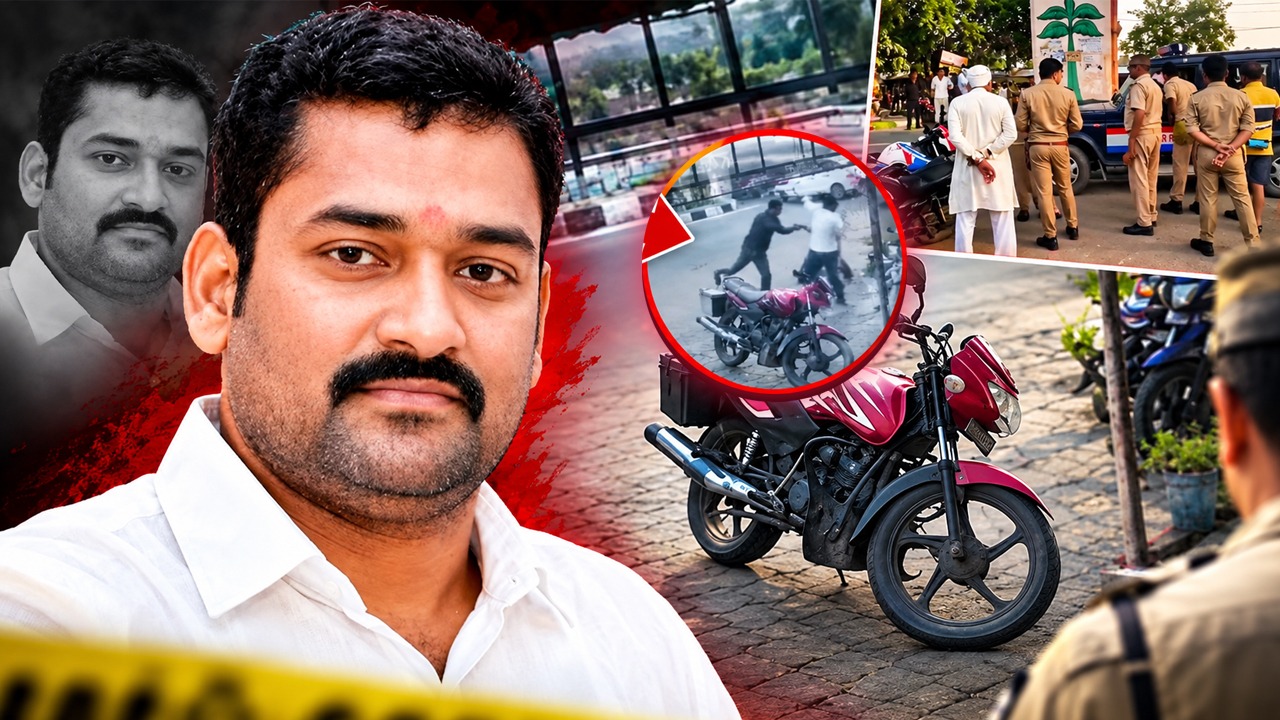
Noida: Nearly two decades after the Nithari killings shook the nation, the case has once again returned to the headlines after the death of convicted former domestic help Surendra Koli in Haridwar. Koli who had spent years behind bars after being sentenced to death in multiple cases, was found dead at his Tea stall in Haridwar, with authorities investigating the circumstances around his death.
The name Nithari still carries the memory of one of India’s most disturbing crime cases that began with the discovery of human remains behind a Noida bungalow and ended with a legal battle that left many questions unanswered. Despite years of investigation, multiple trials and death sentences, the case eventually reached a point where no conviction remained against Koli in the linked cases.
In December 2006, police recovered human remains, including bones and skulls, from drains and the backyard of a house in Sector 31, Noida, near Nithari village. The property belonged to businessman Moninder Singh Pandher, while his domestic help Surendra Koli was taken into custody during the initial investigation.
The discovery soon turned into a national controversy. Investigators linked the remains to a series of disappearances reported since 2005, involving mostly children and young women from economically weaker sections of Nithari village.
Many families had earlier alleged that their missing-person complaints were not properly investigated. The house was later described by the media as the “House of Horrors”, a name that became associated with the case.
The investigation eventually connected the site to more than 19 suspected victims. The Central Bureau of Investigation (CBI) took over the probe and registered separate cases involving charges of kidnapping, rape, murder and destruction of evidence.
Koli’s confession became a major part of the prosecution’s case. During interrogation and later legal proceedings, he allegedly described killings and dismemberment. The case also involved allegations of cannibalism, though these claims remained among the most disturbing aspects of the investigation.
Beyond the crimes themselves, the case raised serious questions about police handling of missing-person complaints and the initial investigation process.
Koli’s confession before a magistrate became one of the strongest pieces of evidence used against him. In the statement, he described his involvement in the killings and gave details that investigators relied upon during the trials.
However, years later, courts questioned the reliability of the confession, citing concerns over the circumstances in which it was recorded. Questions were raised over the length of police custody before the confession and whether proper legal safeguards were followed.
From 2009 onwards, special CBI courts convicted Koli in multiple cases and awarded death sentences, describing the crimes as falling under the “rarest of rare” category.
Pandher was also convicted in some cases but acquitted in others.
In 2014, Koli came close to execution after his hanging was scheduled at Meerut jail. However, legal intervention delayed the process. In 2015, the Allahabad High Court commuted his death sentence to life imprisonment, citing the delay in deciding his mercy petition.
The biggest shift came in October 2023 when the Allahabad High Court acquitted both Koli and Pandher in the remaining cases before it.
The court observed that the prosecution failed to establish guilt beyond reasonable doubt and criticised the investigation process, calling it flawed. The ruling highlighted weaknesses in the evidence, which was largely circumstantial.
However, one conviction against Koli remained at focus relating to the rape and murder of a 15-year-old girl, which had earlier been upheld by the Supreme Court.
The CBI and the victim’s family challenged the 2023 acquittals before the Supreme Court. Later, in November 2025, the Supreme Court allowed Koli’s curative petition and overturned his remaining conviction.
The court pointed to serious shortcomings in the investigation, including issues related to evidence collection, the recording of statements and procedural lapses.
Koli was released from Luksar jail in Greater Noida after nearly two decades of legal proceedings.
With this decision, all 19 cases linked to Koli ended without a surviving conviction.
The Nithari case remains a painful reminder of how a major criminal investigation can collapse when evidence collection and legal procedures are questioned.
The court decisions did not deny that the deaths occurred, but focused on whether the prosecution had successfully proved guilt according to legal standards.
For the families of the victims, who spent years seeking justice, the final outcome brought little closure. The case continues to remain one of India’s most debated criminal investigations, leaving behind unanswered questions about accountability and the search for truth.