 English
 English

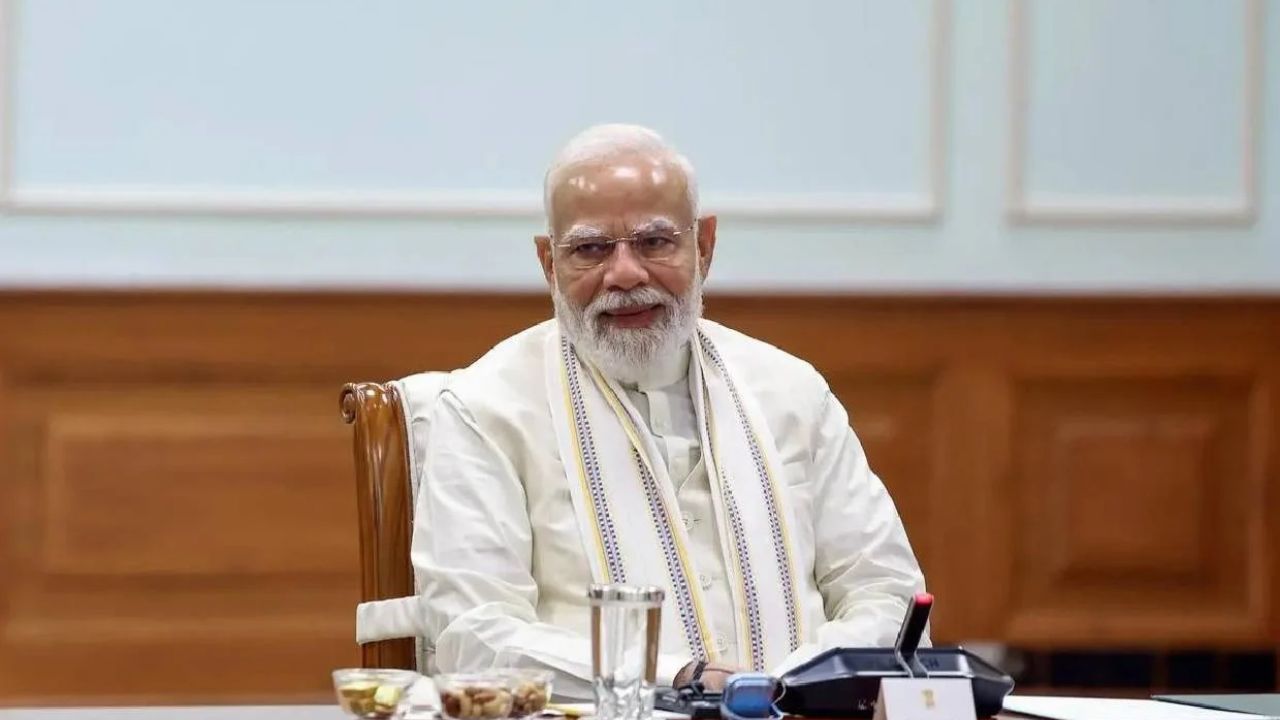
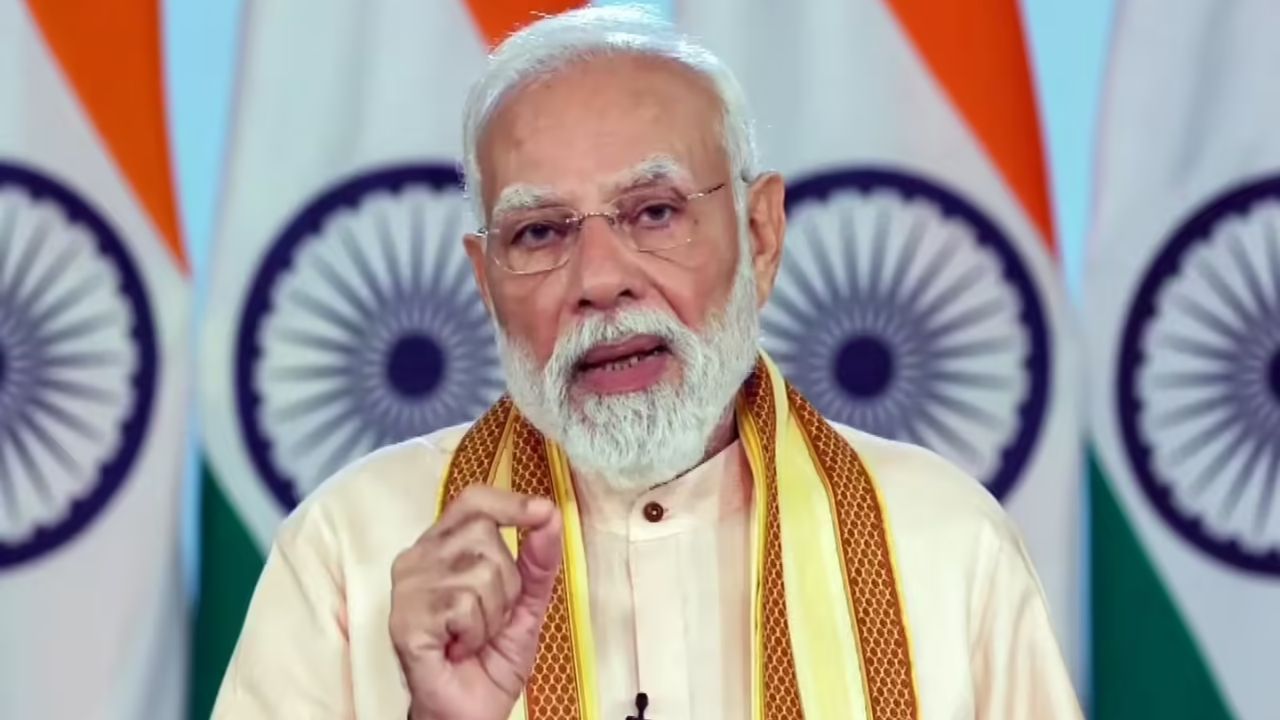
PM Modi addresses the UPSC centenary celebrations at Bharat Mandapam in New Delhi, urging reforms and greater time certainty for aspirants. (Images: X)
New Delhi: Prime Minister Narendra Modi has called for continuous reforms in the Union Public Service Commission’s examination and recruitment processes, stressing that competitive examinations are closely linked to the future of young aspirants and should not be treated as one-time events. Addressing the centenary celebrations of the Union Public Service Commission (UPSC) at Bharat Mandapam in New Delhi, PM Modi said examination authorities must adapt to the changing requirements of the country and ensure greater certainty in timelines.
PM Modi said even a delay of a few months can create difficulties for candidates preparing for public service examinations. He urged examination bodies to adopt the principle of “time certainty” across the examination process. He said the country is undergoing rapid reforms and institutions responsible for recruitment must also evolve in line with national requirements.
PM also emphasised that the UPSC’s 100-year journey represents the aspirations of millions of young Indians who appear for competitive examinations every year.
Also Read: Lokmat Sakhi Manch: Home Minister Amit Shah to Honour Women Achievers
Reflecting on the Commission’s century-long journey, PM Modi said governments, generations, technology and examination syllabi have changed over the decades, while public trust in the UPSC has remained a key institutional asset. He said the coming 20 to 25 years would be particularly important as India works towards its goal of becoming a developed nation. According to him, UPSC and State Public Service Commissions will play an important role in building the governance system required for that transformation.
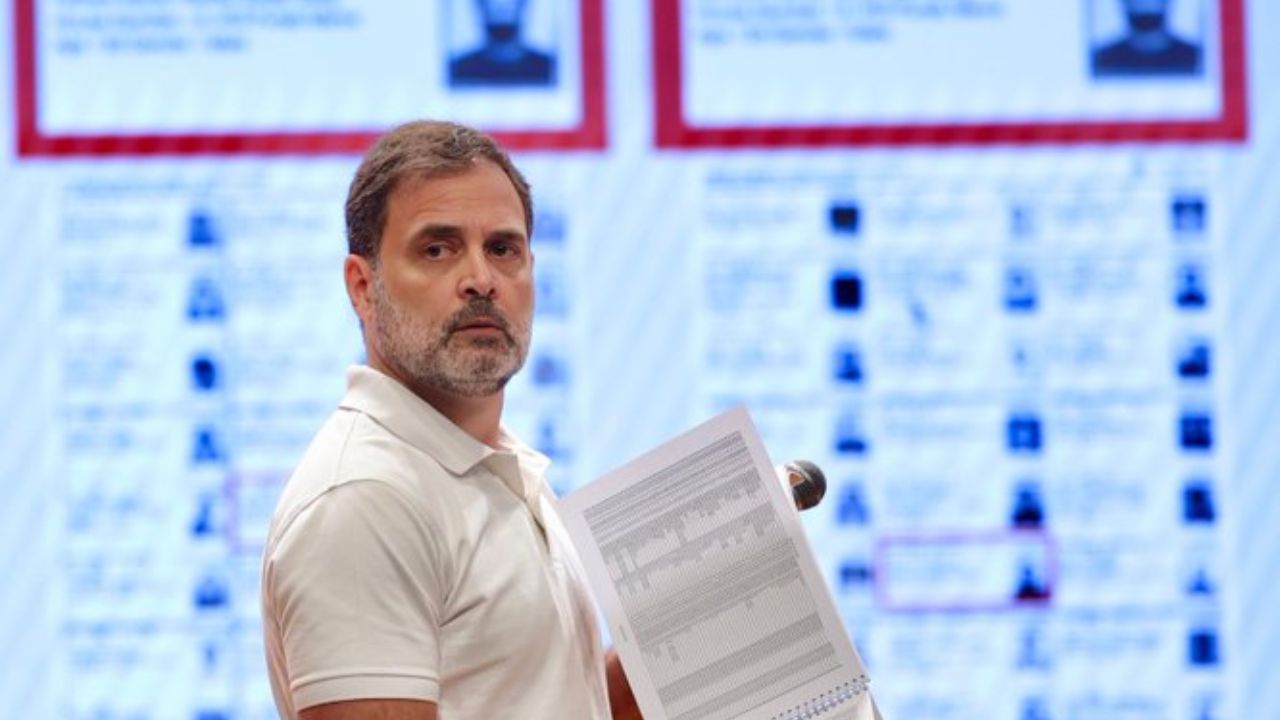
Also Read: “Who At ECI Ordered TCS?”: Rahul Gandhi Questions Online Form 6 Changes Amid SIR Row
PM Modi said recruitment to public services should be assessed against two broad principles, “Nation First” and “Citizen First”. He also called for recruitment examinations to look beyond a candidate’s academic knowledge and examine their motivation for joining public service. According to Prime Minister, the objective should be to bring young people into public service because of their commitment to serving citizens rather than merely their attraction to government positions.
PM Modi said India’s changing demographic, technological and economic landscape would lead to higher expectations from government institutions. He pointed to the growing use of artificial intelligence and real-time data, saying citizens increasingly expect faster and more efficient government services.
He called for a citizen-centric approach to governance and highlighted the work culture of “Pro-People, Proactive, Good Governance” as a model for 21st-century public administration.
The Prime Minister also spoke about the expanding participation of candidates from villages and smaller towns in public services. He said opportunities that were once concentrated among candidates from major cities, affluent families and leading institutions have become more accessible to a wider section of society. PM Modi also highlighted the rising participation of women in civil services and said the number of candidates appearing for UPSC examinations has increased significantly over the decades.
Emphasising the Commission’s institutional responsibility, PM Modi said UPSC is not simply selecting candidates, but helping choose individuals who will eventually represent the government at the grassroots level. He stressed that the UPSC’s independence, impartiality, merit-based selection, confidentiality and fairness are central to its identity and must be protected as the institution enters its second century. The Prime Minister also launched a commemorative postage stamp and coin marking the UPSC’s 100-year journey.
The two-day centenary celebrations, titled ‘Manthan’, brings together senior public officials and experts to discuss the changing role of civil services, public administration, technology and institutional reforms.