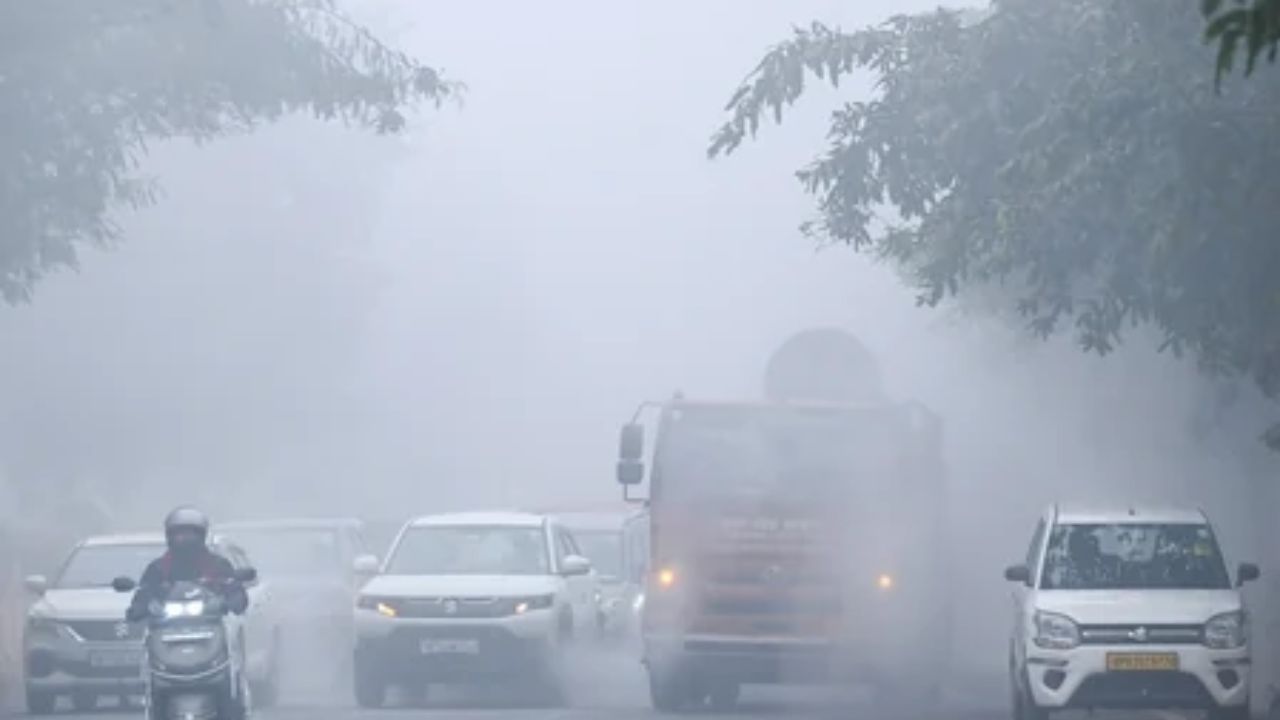
New PUC rules extend validity for newer BS-VI vehicles (Img: IANS)
New Delhi: The Centre has changed the validity periods for Pollution Under Control (PUC) certificates. Under the new rule, newer BS-VI-compliant vehicles have been given longer intervals between renewals, while the schedule has been tightened for older vehicles.
Under the revised rules notified by the Ministry of Road Transport and Highways (MoRTH) on November 13, private BS-VI vehicles up to six years old will need a fresh PUC certificate once every three years. Vehicles aged more than six years but up to 10 years must renew annually, while those older than 10 years will require renewal every six months.
The revised schedule varies according to the vehicle's emission standard and age. For private BS-VI vehicles, the renewal requirements are:
The Centre has also extended the validity period for BS-VI-compliant commercial and transport vehicles. Those up to six years old will need renewal once every two years. Vehicles aged more than six years but up to 10 years will require annual renewal, while those older than 10 years must undergo checks every six months.
The revised rules retain shorter validity periods for vehicles complying with older emission standards.
The changes have been introduced through the Central Motor Vehicles (Sixteenth Amendment) Rules, 2026, under the Motor Vehicles Act, 1988. The amended provisions came into effect upon publication in the Official Gazette.
The amended rules also specify how the validity of a renewed certificate will be calculated.
If a vehicle owner applies for renewal within the 10 days immediately before the existing certificate expires, the new certificate will become valid from the previous certificate's expiry date.
However, if the application is submitted after the existing certificate has expired, the renewed document will take effect from the date of renewal.
For certificates issued before the new rules came into force, the revised validity schedule will apply when they are renewed for the first time after the amendments take effect.
The revised PUC validity schedule applies across the country and is separate from the Delhi government's winter pollution-control measures.
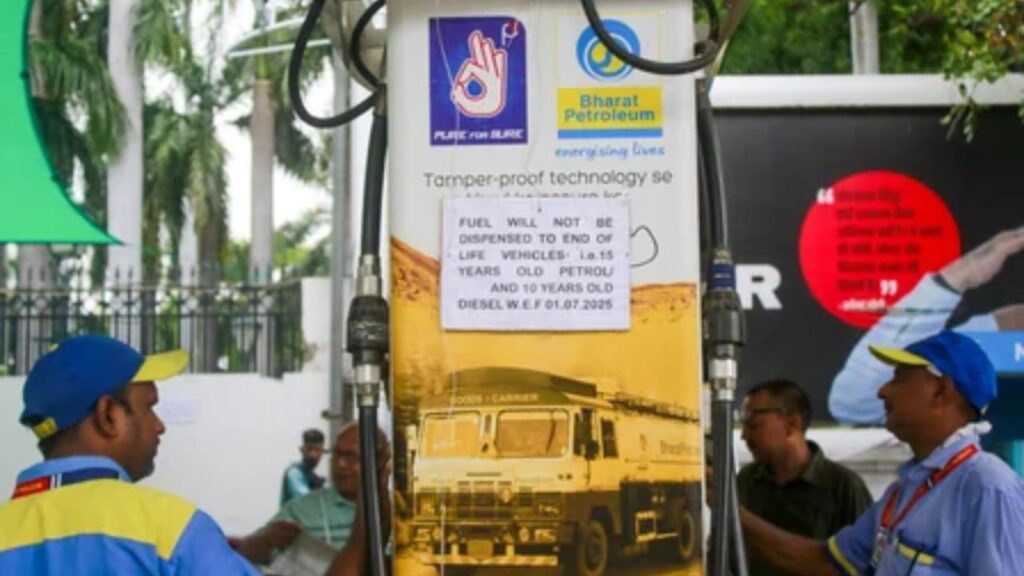
These measures include the 'No PUC, No Fuel' policy. (Img: IANS)
Delhi is implementing its annual Winter Action Plan from November 1 to February 28, with stricter enforcement of pollution regulations. These measures include the 'No PUC, No Fuel' policy and restrictions on vehicles that fail to meet prescribed emission standards.
Also Read: EPFO Eases PF Withdrawal Rules: How Members Below 55 Can Now Withdraw Up To 90%
The Delhi government has also announced restrictions on non-Delhi-registered vehicles below BS-VI emission standards from November 1 to January 31 every year.


