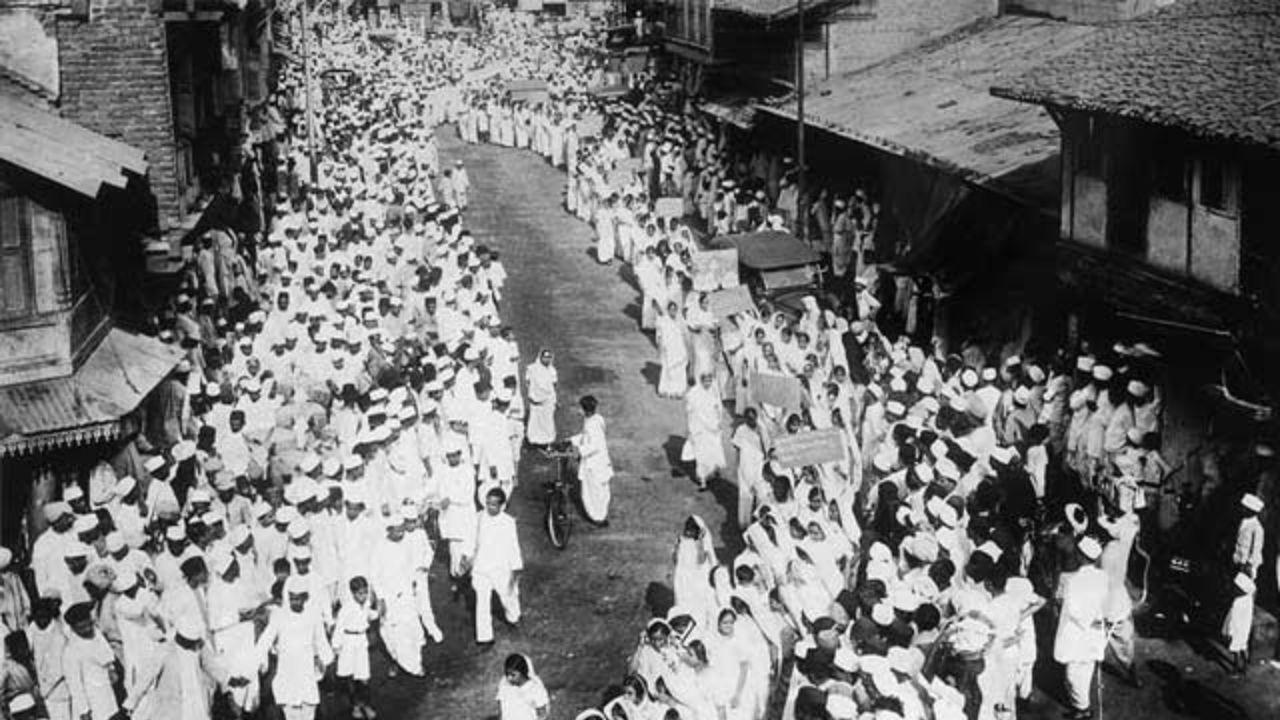
People on roads for Quit India Movement (Img: PIB)
New Delhi: August 8, 1942, was the day when India’s freedom struggle entered its most decisive phase. It was a moment when millions of Indians, despite having no weapons, no army and no political power, stood together against the mighty British Empire with one dream of free India.
The Quit India Movement, also known as the August Kranti, became one of the biggest mass movements in India’s fight for independence. It was not just a movement led by national leaders; it was a revolution powered by ordinary people who were ready to sacrifice everything for their motherland.
In the early 1940s, India was facing the burden of British colonial rule while the world was witnessing the destruction of World War II. Britain had involved India in the war without taking the consent of Indian leaders.
Millions of Indians questioned why they were being asked to fight for freedom and democracy abroad when they themselves were denied basic rights at home.
The failure of the Cripps Mission in 1942, which failed to promise immediate independence, further disappointed Indian leaders.
Mahatma Gandhi believed that the time had come for the British to leave India. He gave a clear message — India could no longer remain under foreign rule.
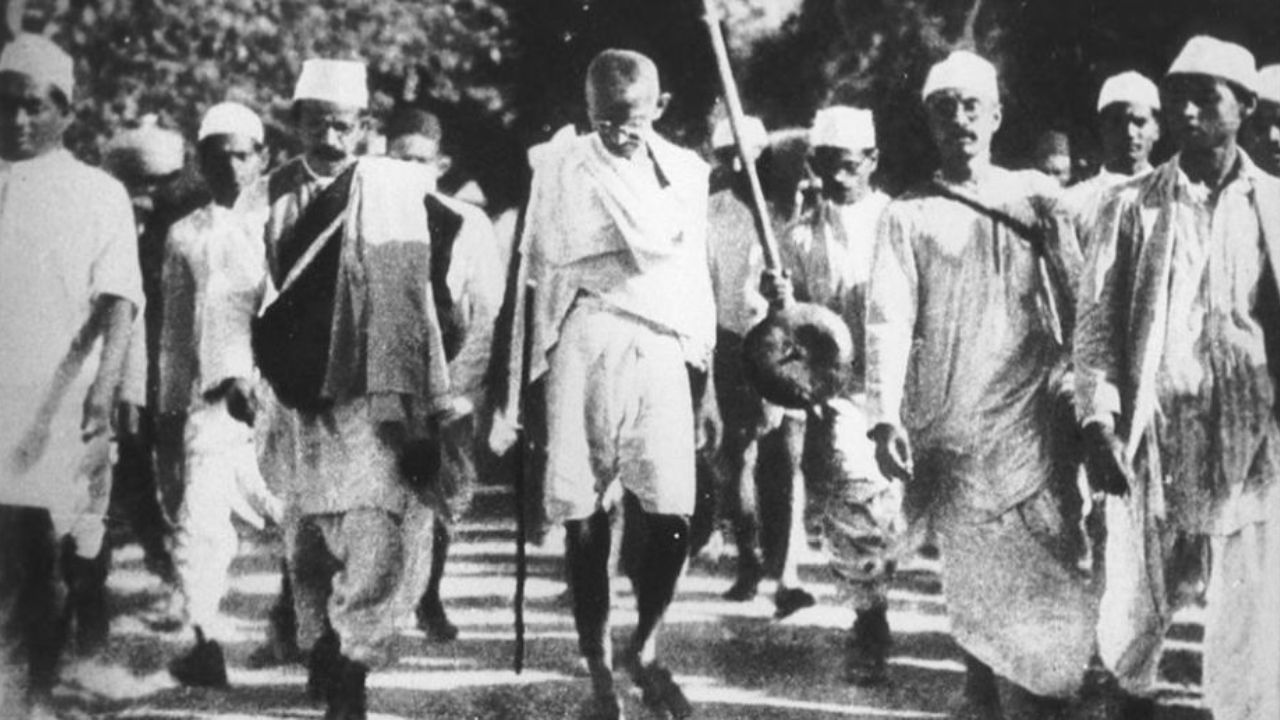
On August 8, 1942, the All India Congress Committee met at Gowalia Tank Maidan in Bombay (now Mumbai) and passed the historic Quit India resolution.
“Do or Die.” With these words, Gandhi called upon Indians to unite for the final battle against British rule.
The slogan “Quit India” quickly spread across the country, becoming a symbol of resistance and national determination.
The British government reacted with fear and force. On the morning of August 9, 1942, Gandhi, Jawaharlal Nehru, Sardar Vallabhbhai Patel and several other senior leaders were arrested. The British believed that capturing the top leadership would bring the movement to an end.
But something unexpected happened, the movement moved beyond leaders and reached the streets, villages and towns of India. Ordinary citizens took charge.
The real strength of the Quit India Movement came from common Indians. Students left their classrooms to participate in protests. Workers organized strikes. Farmers raised their voices against colonial policies. Women stepped forward to support the movement and played important roles in underground activities.
Thousands faced imprisonment, police action and hardships, but their determination remained unbroken. They did not have weapons to fight an empire. They did not have power or resources. They only had a dream — a free India.
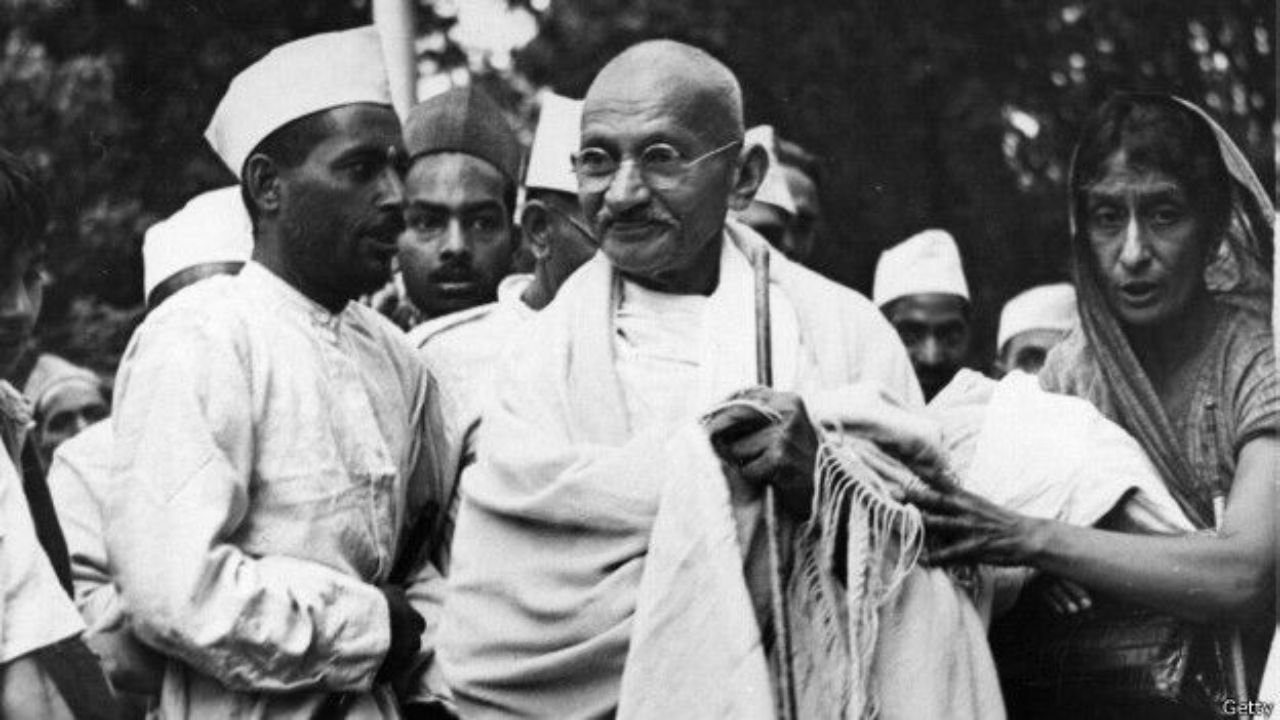
While history remembers leaders like Mahatma Gandhi and other prominent figures, the Quit India Movement was also built by countless unnamed heroes. Young activists secretly carried messages. Ordinary villagers challenged British authority. Families supported freedom fighters despite knowing the consequences.
Many sacrificed their comfort, careers and even their lives so that future generations could breathe in a free nation.
Their stories may not always appear in textbooks, but their courage became a vital part of India’s independence journey.
The British eventually managed to suppress the movement through widespread arrests and strict action. However, they could no longer ignore India’s demand for freedom. The Quit India Movement proved that British rule had lost the support of the Indian people.
It became a turning point that accelerated the journey towards independence. Five years later, on August 15, 1947, India finally achieved freedom.
The Quit India Movement remains one of the most powerful chapters in India’s history.
It was a story of ordinary people who showed extraordinary courage. It was a reminder that freedom was not given easily — it was earned through sacrifice, determination and unity. On its anniversary, India remembers those countless heroes who stood against an empire with nothing but courage in their hearts.


