English
 English

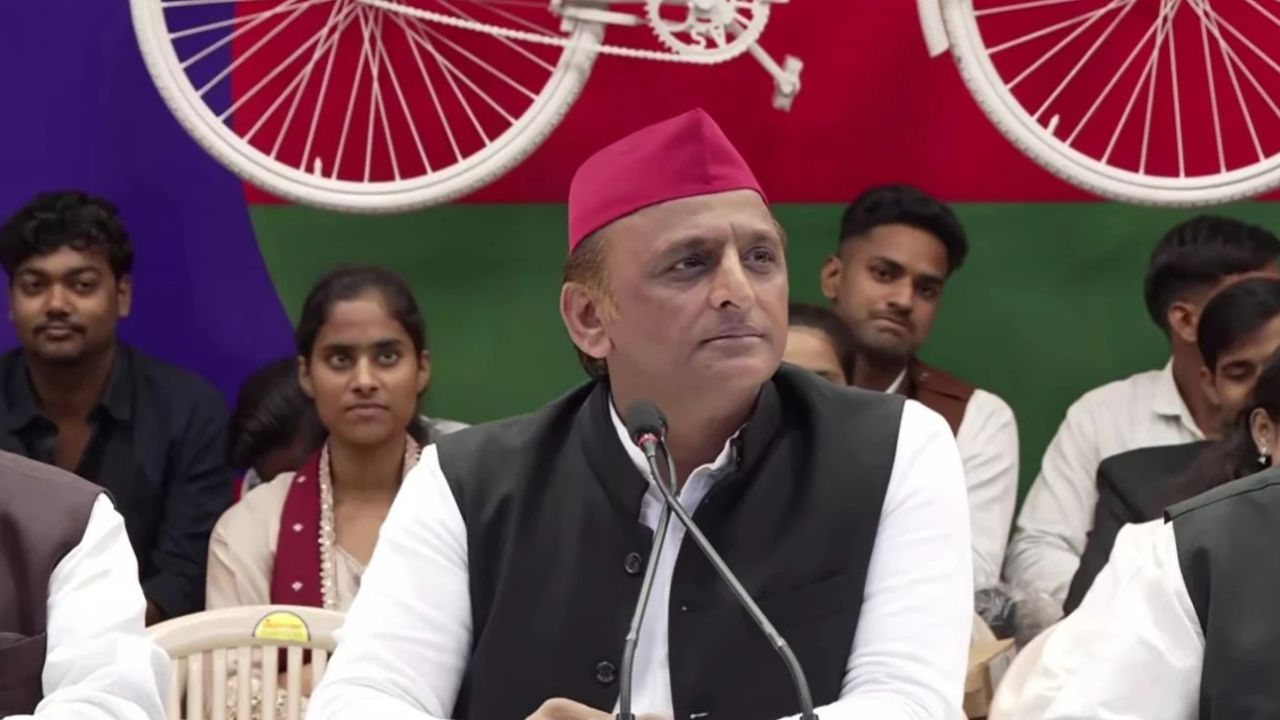
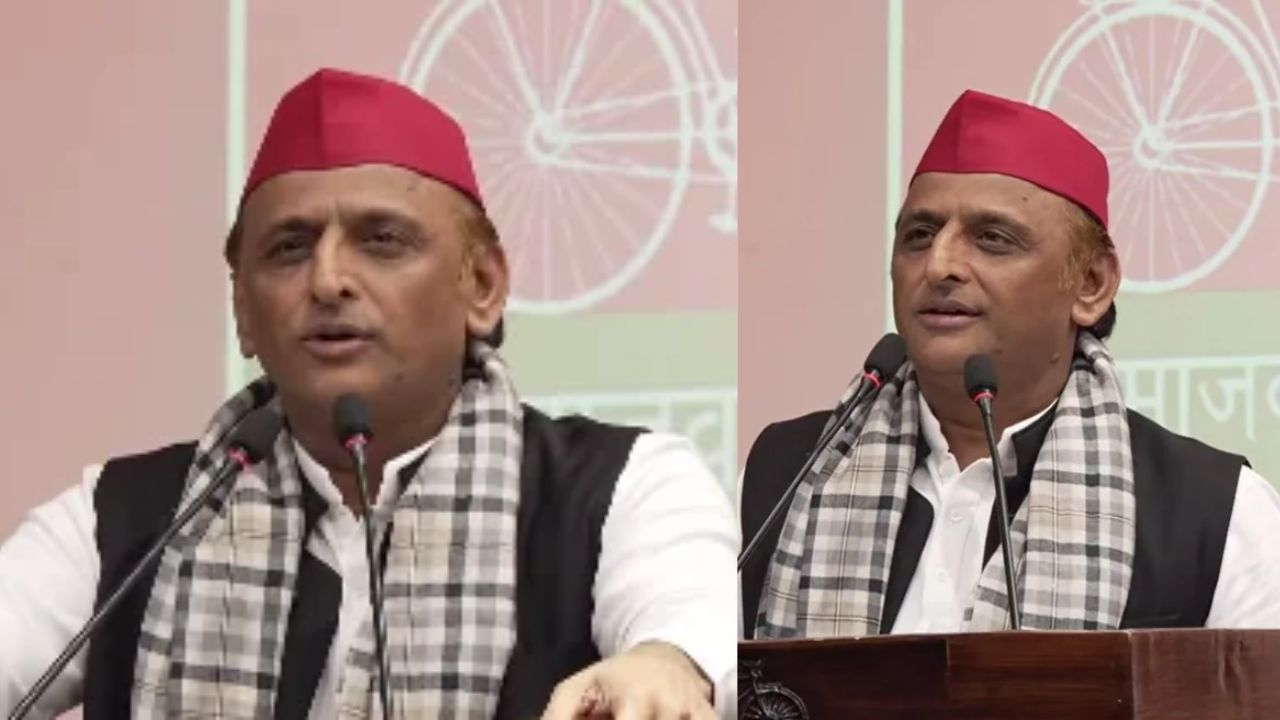
Akhilesh Yadav prepares for crucial SP-Congress seat-sharing negotiations as the opposition alliance begins its electoral calculations for Uttar Pradesh 2027. (Img: X)
New Delhi: The much-anticipated seat-sharing negotiations between the Samajwadi Party (SP) and the Congress for the 2027 Uttar Pradesh Assembly elections are set to begin in Delhi tomorrow, marking a crucial test of opposition unity and the future electoral roadmap of the INDIA bloc in India's most politically significant state.
According to top sources, the negotiations are expected to continue for two to three days, with both parties preparing to put forward their respective claims over constituencies. While SP president Akhilesh Yadav has made electoral winnability the central condition for any seat-sharing arrangement, the Congress is keen that its organisational revival, political relevance and improved electoral performance since the 2024 Lok Sabha elections also receive due consideration.
The negotiations assume considerable significance as the two parties attempt to strike a balance between regional political influence, constituency-level strengths, organisational presence and their larger objective of challenging the BJP in the 2027 Assembly elections.
Akhilesh Yadav has repeatedly maintained that the distribution of constituencies should be determined primarily by the ability of candidates to defeat the BJP rather than by political pressure or numerical demands from alliance partners.
Reiterating his position on Saturday, the SP chief indicated that his party was prepared to accommodate the Congress in constituencies where it had a realistic electoral advantage.
He maintained that a detailed assessment of individual constituencies would reveal several seats where Congress candidates could emerge as competitive contenders, and the Samajwadi Party would be willing to allocate those constituencies accordingly.
His emphasis on winnability signals that the SP leadership intends to approach the negotiations through a constituency-specific electoral assessment rather than a predetermined formula based exclusively on the relative strength or political standing of the alliance partners. For Akhilesh, the larger objective remains defeating the BJP in Uttar Pradesh, where the outcome of the 2027 Assembly elections could have significant implications for national politics.
In a significant organisational move ahead of the negotiations, Akhilesh Yadav on Sunday constituted a four-member committee to engage with alliance partners, including the Congress, over seat distribution for the upcoming Assembly elections.
The committee comprises SP national general secretary Ram Gopal Yadav, Uttar Pradesh party president Shyam Lal Pal, and Lok Sabha MPs Rajeev Rai and Iqra Choudhary.
The panel is expected to assess constituency-level political equations, examine the relative electoral strengths of potential candidates and coordinate the party's position during discussions with the Congress and other INDIA bloc constituents.
The appointment of senior organisational functionaries and elected representatives indicates that the Samajwadi Party is preparing for detailed negotiations rather than treating the exercise as a routine political consultation.
The Congress, meanwhile, is preparing a high-powered negotiating team for the discussions, underlining the importance the party attaches to the Uttar Pradesh alliance arrangement.
The Congress delegation will include general secretaries Priyanka Gandhi Vadra and KC Venugopal, Lok Sabha MP Imran Masood, Uttar Pradesh Congress Committee chief Aradhana Mishra, and state in-charge and Scheduled Caste department chairman Rajendra Gautam.
The composition of the delegation is politically significant, bringing together senior national leadership, state-level organisational representatives and elected lawmakers.
Congress leaders believe the party's political position has improved following the 2024 Lok Sabha elections and that this change in its electoral standing should be reflected in the seat-sharing arrangement.
The party is also keen to secure constituencies where it believes its organisational network, voter support and candidate profile can translate into electoral gains.
While the Samajwadi Party is pushing for a strictly constituency-based winnability assessment, Congress leaders are keen to ensure that the party's improved political image and organisational standing are recognised during negotiations.
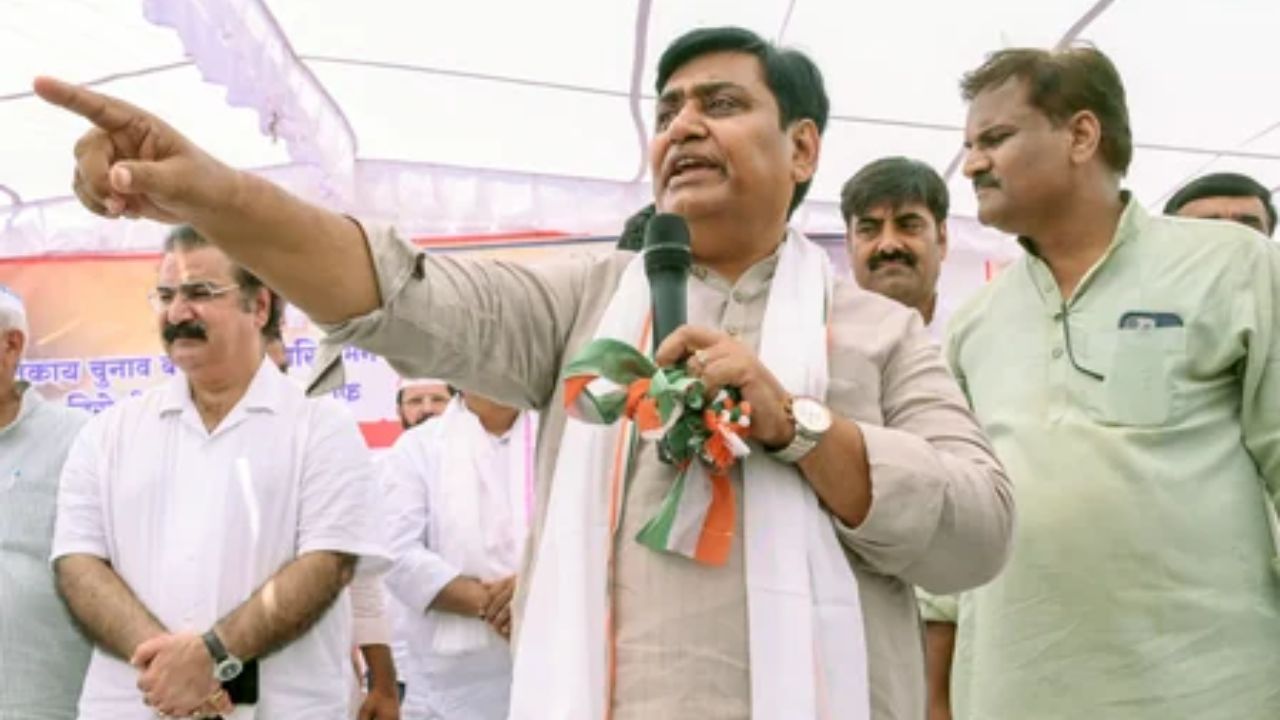
Rajendra Gautam has maintained that the Congress has strengthened its position across Uttar Pradesh since the 2024 Lok Sabha elections. The party believes its performance in the general elections has enhanced its bargaining position within the opposition alliance.
Despite the involvement of senior leaders and negotiating committees, Congress sources have indicated that the final decision on the number of seats to be allocated to the party will ultimately be taken by Rahul Gandhi and Akhilesh Yadav.
This suggests that the negotiations at the committee level will primarily focus on identifying areas of agreement, assessing constituency-specific claims and narrowing differences before the leadership arrives at a final understanding.
The involvement of the two senior leaders is likely to be particularly important if the parties encounter disagreements over constituencies where both believe they have a credible electoral advantage.
The final arrangement will also have to accommodate the political interests of other INDIA bloc partners in Uttar Pradesh, making the exercise more complex than a straightforward bilateral negotiation.
Congress leader Rajendra Gautam has indicated that the seat-sharing discussions are expected to be completed by December 15-20. The proposed timeline suggests that both parties want to settle their respective claims well ahead of the 2027 Assembly elections, allowing sufficient time for organisational preparations, candidate identification and constituency-level campaigning.
An early agreement could help the alliance avoid prolonged public disagreements and enable both parties to concentrate on building a coordinated electoral strategy against the BJP. However, the outcome will depend on how successfully the SP and Congress reconcile their different approaches to seat allocation.
Uttar Pradesh occupies a pivotal position in India's electoral landscape, with 403 Assembly constituencies and 80 Lok Sabha seats. Its political significance makes the SP-Congress negotiations particularly consequential for the opposition's broader national strategy.
The two parties had contested the 2024 Lok Sabha elections in Uttar Pradesh as INDIA bloc partners, with the Samajwadi Party winning 37 seats and the Congress securing six. Their combined performance strengthened the opposition's position in the state and demonstrated the electoral potential of coordinated campaigning.
The challenge in 2027, however, will be substantially different. Assembly elections involve more granular constituency-level calculations, local leadership equations, caste and community combinations, candidate credibility and booth-level organisational strength.
For the Samajwadi Party, retaining its dominant position within the opposition space will be important. For the Congress, the negotiations offer an opportunity to expand its electoral footprint and rebuild its organisational presence across Uttar Pradesh. The BJP, meanwhile, will be closely watching the alliance negotiations as the opposition attempts to translate its 2024 Lok Sabha performance into a coherent Assembly election strategy.