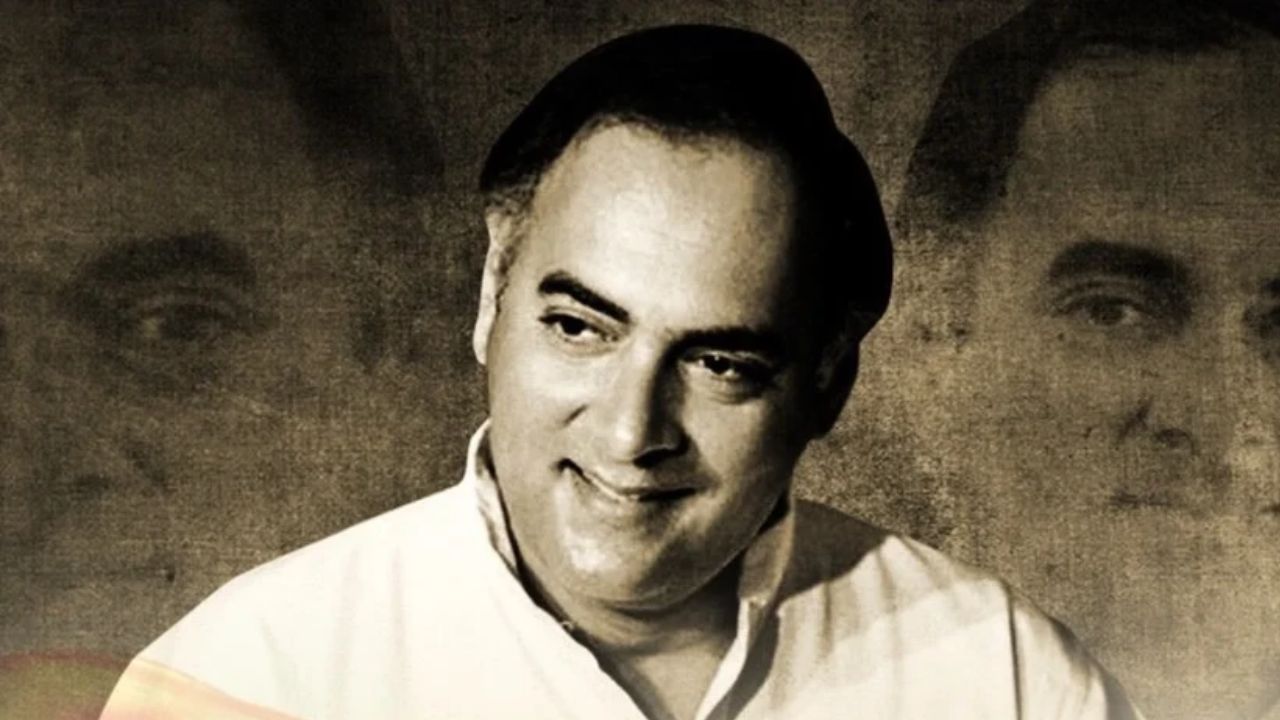
Former Prime Minister Rajiv Gandhi (Img: X, @INCCongress)
New Delhi: He was sworn in as Prime Minister on the same day his mother was assassinated, without time to grieve or prepare. Rajiv Gandhi, India's youngest PM, spent the next five years modernising a reluctant bureaucracy even as scandal and conflict closed in around him. A legacy the country still argues over every August 20.
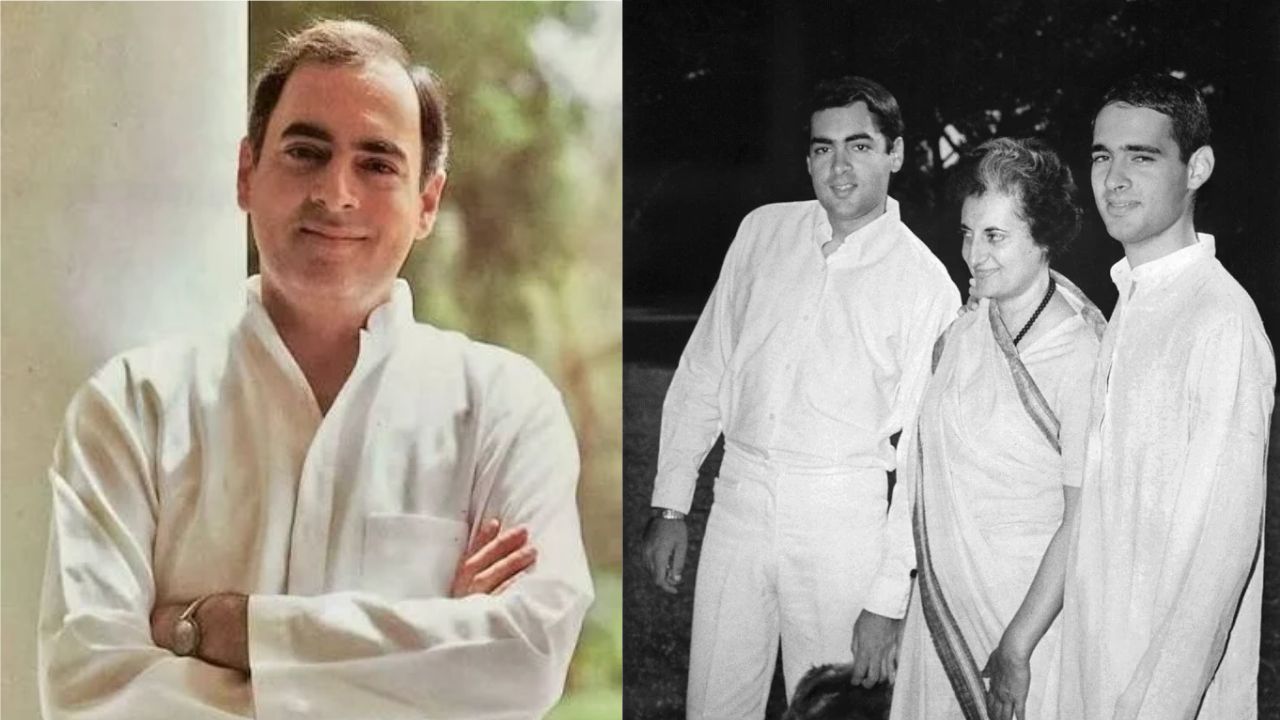
There's a version of Rajiv Gandhi's life that never happened in one where he stays a pilot, retires quietly after a long career with Indian Airlines, and India's most famous political dynasty simply skips a generation. For most of his twenties, that looked like the more likely story. He wasn't chasing rallies or Parliament seats. He was in a cockpit, hands on the controls, about as far from Lok Sabha politics as a Nehru-Gandhi scion could get.
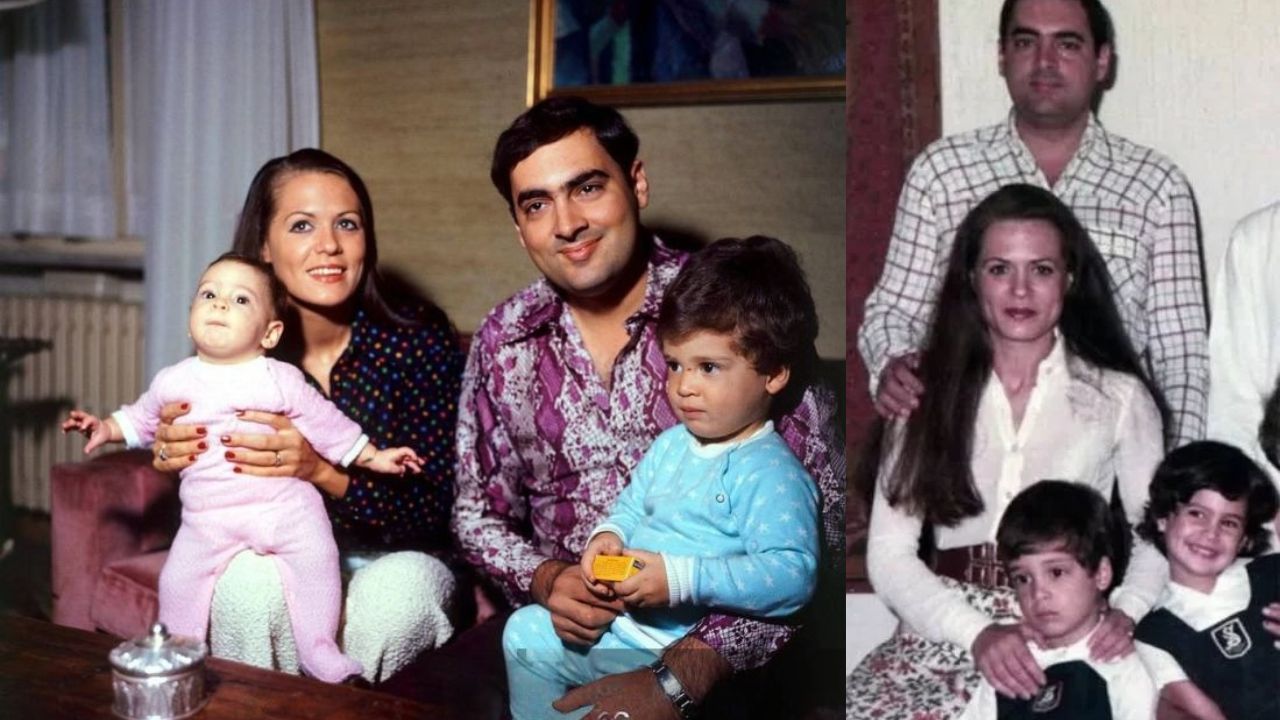
Born in Bombay on August 20, 1944, Rajiv grew up inside a household that had already given India its first Prime Minister, his grandfather Jawaharlal Nehru, and would soon give it its first woman Prime Minister, his mother Indira Gandhi. He went to Doon School, then Cambridge, where he met an Italian student named Sonia Maino, the woman he'd marry in 1968 and build a private, almost ordinary life with in Delhi, away from the cameras that followed the rest of his family.
That privacy ended on June 23, 1980. His younger brother Sanjay, being groomed as Indira's political heir, died when the stunt plane he was flying crashed near Delhi. The family Rajiv had quietly stepped back from suddenly needed him back in. He agreed, reluctantly, to contest Sanjay's old seat in Amethi in 1981. He still wasn't supposed to be the one carrying the family name into history.
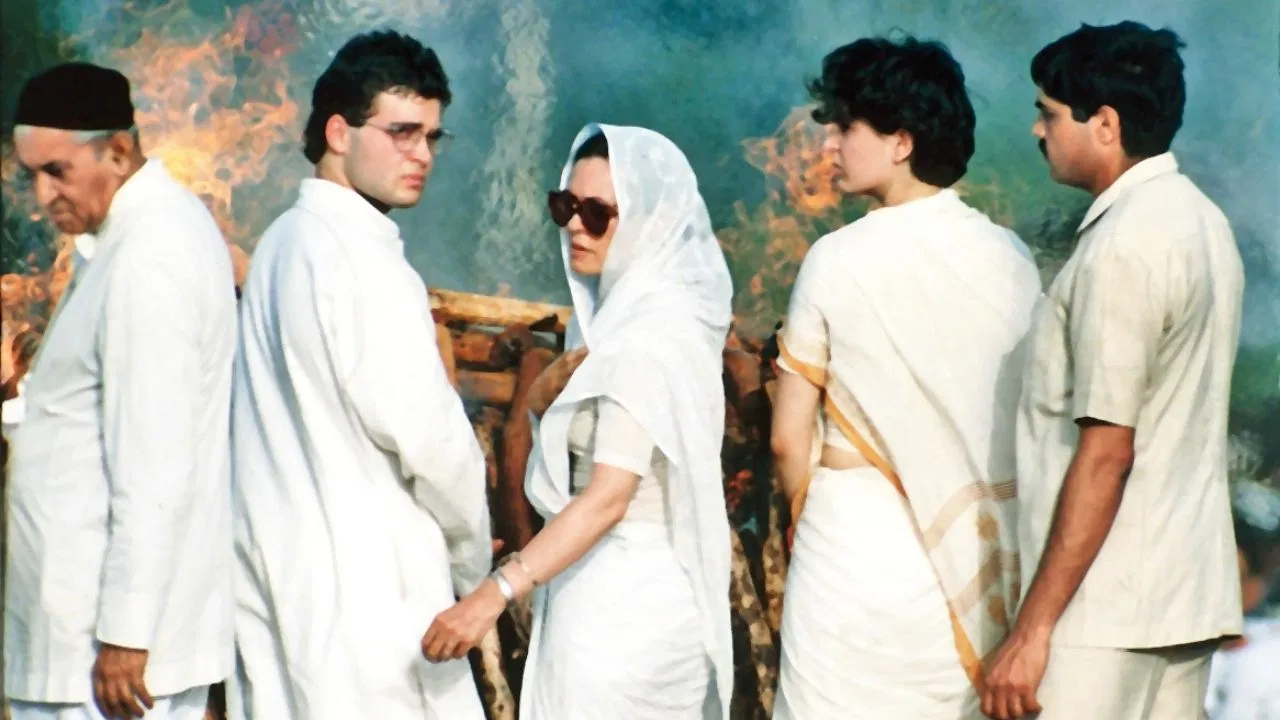
Four years later, on the morning of October 31, 1984, two of Indira Gandhi's own bodyguards shot her dead in her garden. By nightfall, her 40-year-old son had been sworn in as Prime Minister of India, a job he'd never wanted, at the worst possible moment to want it. He didn't even have time to grieve properly before he had to speak to a nation that was starting to burn, in the days that followed, organised mobs turned on the Sikh community across Delhi and the north, killing thousands in a wave of violence that remains one of the darkest chapters of the era, and one Indian politics has still never fully made peace with.
It's hard to imagine what those first weeks must have felt like: a widower's son, thrust into the country's highest office on the same day his mother was buried, expected to hold a grieving, frightened nation together while he was barely holding himself together. Whatever else history says about him, it rarely pauses on that part: he didn't get a transition, a honeymoon period, or even a full night's sleep to process what had happened before the weight of 700 million people landed on him.
What he did next is the part that still surprises people. Rather than play it safe, Rajiv Gandhi bet his young government on something almost nobody in Indian politics was talking about in 1985: computers. He pushed hard to bring computerisation into government offices at a time when bureaucrats genuinely feared the machines would cost them their jobs, backed homegrown software development, and expanded telephone lines into small towns that had never had reliable phone access before. None of it looked glamorous at the time. Looking back, it reads almost like he could see the next thirty years of Indian technology coming and decided to build the road for it early.
He did the same with schools, launching the National Policy on Education in 1986 and setting up the Jawahar Navodaya Vidyalayas — free residential schools designed to give a talented child in rural India the same shot at a good education as a child born in Delhi or Bombay. He pushed for stronger village-level democracy through the 64th Constitutional Amendment, an idea that took years to fully take root but that reshaped how power reaches India's villages today. And when a coup threatened the Maldives in 1988, he sent troops to reverse it — one of the rare calls even his fiercest critics rarely question.
But the same man who modernised a country also made decisions that haunted him, his party, and in some ways his family's name for decades after. When the Supreme Court ruled in favour of Shah Bano, a Muslim woman fighting for basic alimony, his government pushed a law through Parliament that overturned the verdict — a decision widely seen as caving to religious conservatives, and one that reopened a wound about secularism and minority politics that India still argues about today.
Then came Bofors, three syllables that would follow the Gandhi name for the rest of his life and beyond. Allegations that a Swedish arms manufacturer had paid bribes to win a defence contract consumed Indian politics for nearly two years, cost him ministers, cost him his "Mr Clean" reputation, and ultimately cost him the 1989 election, even though a parliamentary inquiry later found no direct evidence against him personally. By then it hardly mattered. The damage to public trust was already done.
And then there was Sri Lanka, the decision that would, in the end, cost him his life. In 1987, hoping to broker peace, Rajiv sent the Indian Peace Keeping Force into Sri Lanka's civil war. Instead of keeping the peace, Indian soldiers found themselves in direct combat with the LTTE, and more than a thousand of them never came home. The bitterness that decision created didn't fade when the troops finally withdrew.
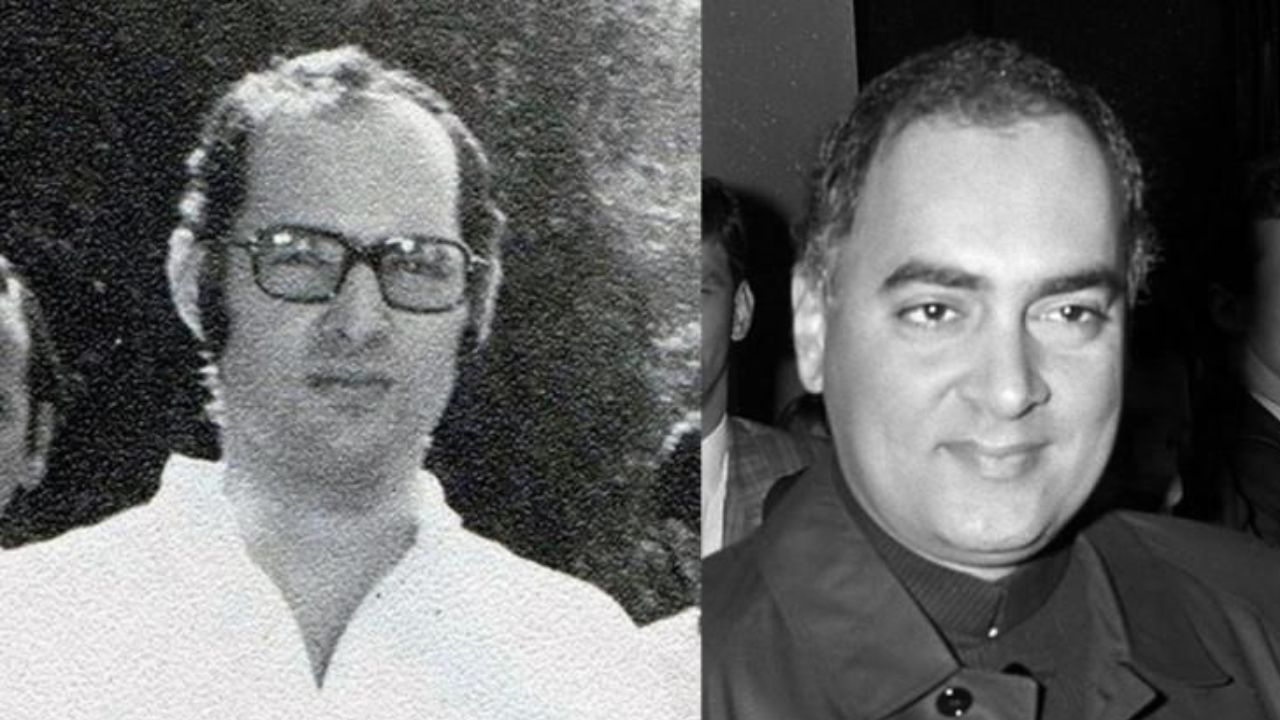
On the evening of May 21, 1991, Rajiv Gandhi was campaigning to become Prime Minister again. In Sriperumbudur, Tamil Nadu, a woman stepped forward as if to greet him with a garland. She was a suicide bomber sent by the LTTE — retribution, investigators would later conclude, for the IPKF he had sent to their island four years earlier. He was 46 years old. India gave him the Bharat Ratna after his death, the country's highest civilian honour, arriving too late for a man who might have argued he never wanted the job that led him there in the first place.
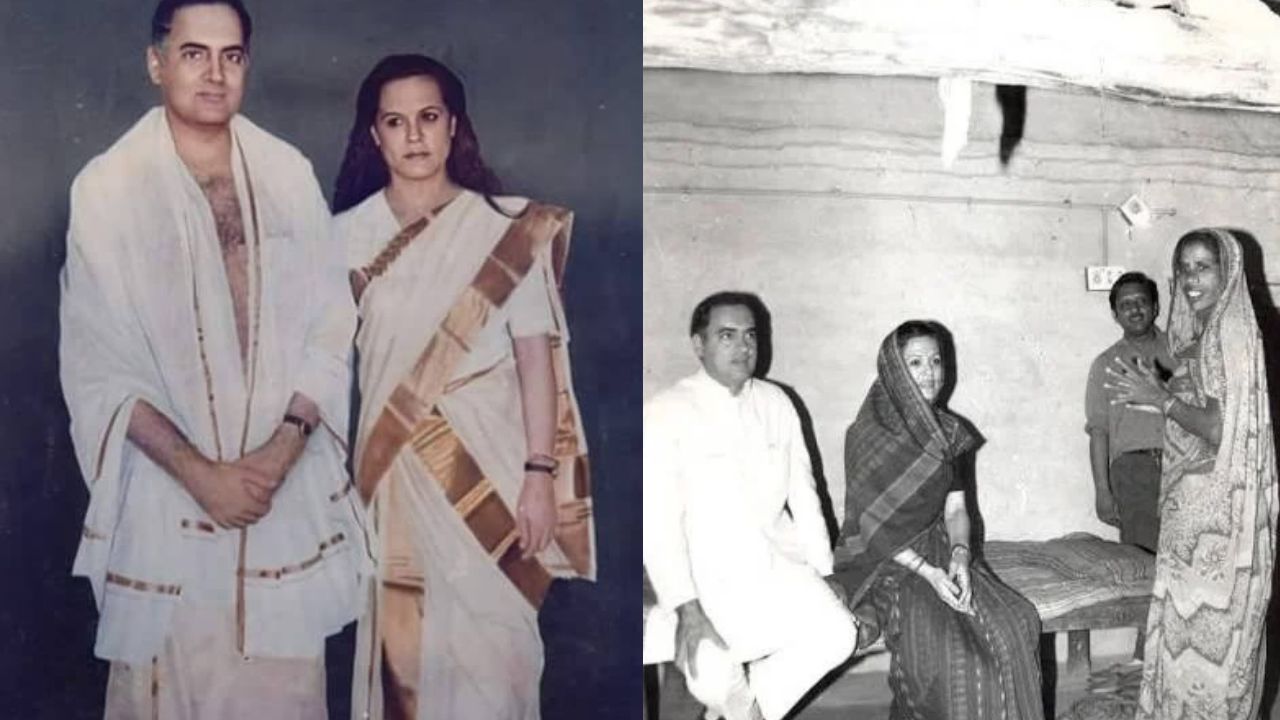
There's something almost unbearably human about Rajiv Gandhi's story once you strip away the politics, a man who tried to avoid the family business, got pulled into it by two deaths he never saw coming, and spent five years trying to drag a slow-moving country into the future before a third death cut his own story short. Every August 20, India ends up having the same argument it's had for over three decades: was he the moderniser who saw where the world was headed before almost anyone else in government did, or the young leader whose government was undone by scandal, appeasement, and a war fought on someone else's soil. The honest answer is that he was both, in the same five years, in the same restless, unfinished life which is probably exactly why his birthday still refuses to pass quietly.


