English
 English

Hundred of passengers stranded at Mumbai airport
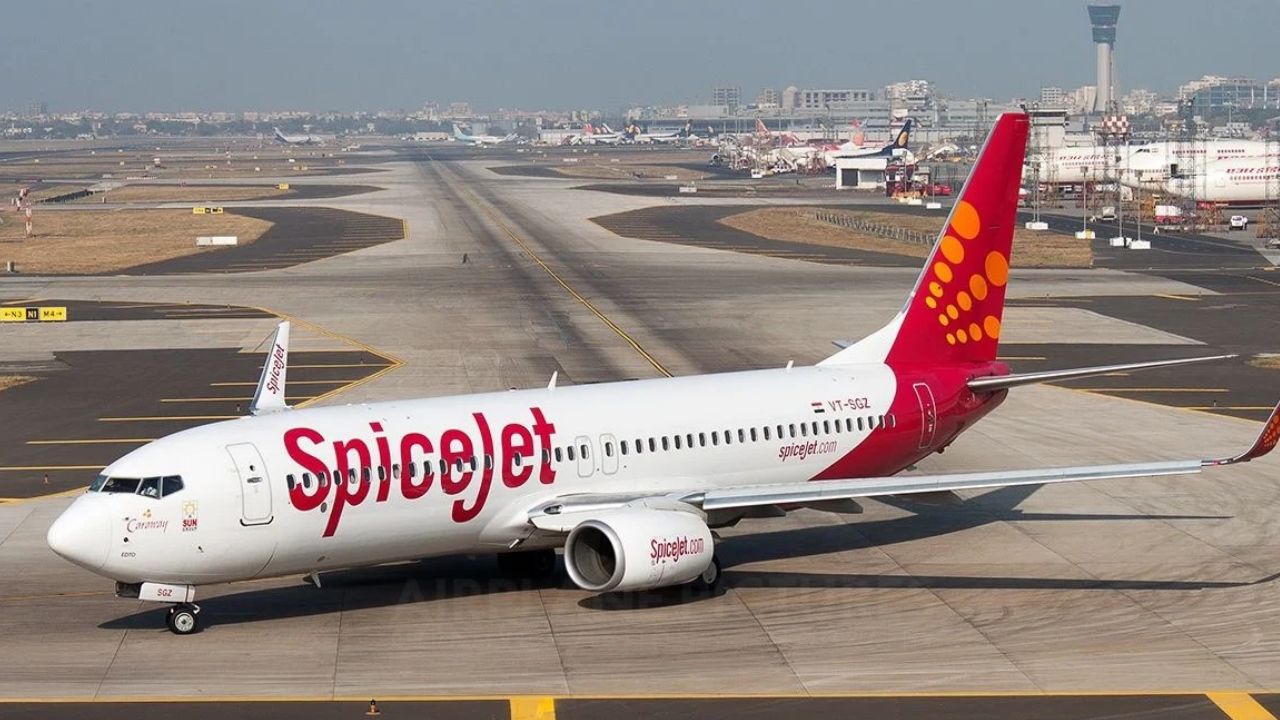
New Delhi: While the number of air travelers in India continues to grow, operational challenges faced by airlines are compounding difficulties for passengers. A recent example is SpiceJet, where frequent flight cancellations, delays, and payment-related issues are causing significant distress to travelers. On 17 November, the airline was unable to operate any flights out of Mumbai after 7 PM. Meanwhile, its check-in and ground-handling services at Dubai Airport were also suspended.
Several flights from Dubai to Amritsar, Mumbai, Delhi, Ahmedabad, and Jaipur were cancelled. According to reports, the airline’s services were suspended due to unpaid dues owed to the airport. It is reported that SpiceJet owes approximately 14 million dirhams (roughly Rs 35.8 crore) to Dubai Airport.
SpiceJet Gets No Relief in Maran Dispute as Court Refuses More Time
The airline’s financial instability has also affected other obligations. Between April and September, more than 85% of invoices from smaller suppliers were not settled within the legally mandated 45-day timeframe; the total outstanding amount is reported to be ₹63.03 crore. Currently, the company is operating on a "cash-and-carry" basis for several services—meaning payment must be made upfront before any service is provided.
According to reports, some employees have not received their salaries since June 2026. There are also reports of staff departures and crew shortages resulting from these payment delays. However, the airline has not publicly confirmed these claims regarding salary payments.
The condition of the airline’s fleet is also a cause for concern. Reports indicate that out of SpiceJet’s 60 aircraft, only 12 were in operational condition. As of November 11, the airline was operating approximately 65 flights. Due to a shortage of aircraft, even a minor technical glitch can disrupt the entire flight schedule.
According to DGCA data for September, only 16.6% of SpiceJet’s flights arrived on time across 10 major airports. In contrast, IndiGo recorded an on-time performance of 91.1%, Akasa Air 90.8%, and the Air India Group 81.7%.
In September, SpiceJet’s flight cancellation rate stood at 20.29%, while the average for domestic airlines was 1.15%. Between January and September 2024, the company’s market share fell from 3.9% to 0.6%. The number of passengers also dropped from 592,000 to approximately 73,000.
Is the Entire Aviation Sector Facing a Crisis?
Amidst SpiceJet’s troubles, the availability of aircraft has emerged as a major challenge for the Indian aviation sector. Despite a growing number of air passengers and the expansion of new airports, meeting the demand for aircraft is no easy task. Estimates suggest that India will require over 2,000 aircraft to meet future needs.
If the number of aircraft does not grow in proportion to demand, it could lead to a shortage of seats and a rise in airfare prices. In this context, the question is not just about the future of SpiceJet, but also about the capacity and preparedness of the country’s entire aviation sector.