 English
 English

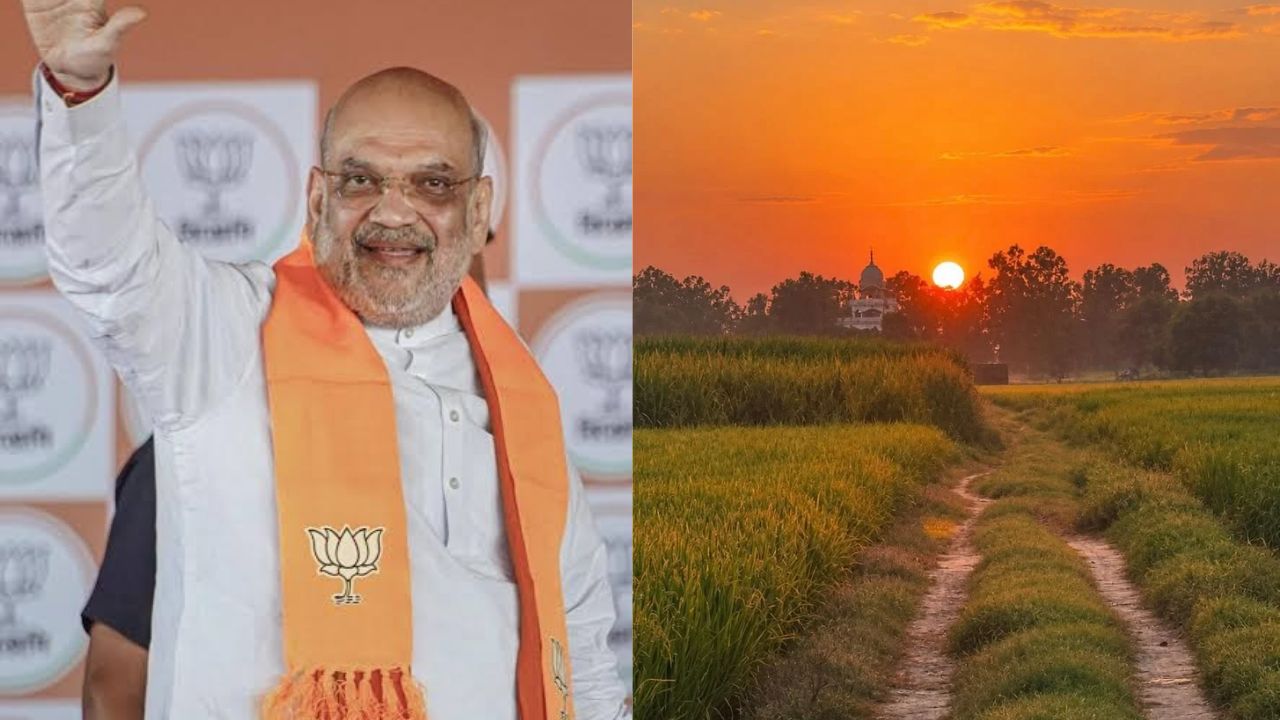
UP plans natural farming model to boost rural prosperity (Img: X)
Lucknow: Uttar Pradesh is planning to turn gaushalas into centres of rural economic activity by linking cattle protection with natural farming. The Yogi Adityanath government is exploring a pilot project in Lalitpur to develop the state's first Natural Farming District, with a focus on helping farmers access organic inputs, improving gaushala revenues and creating better markets for agricultural produce.
The proposed initiative aims to build a self-reliant rural model by putting cow dung and other organic resources from gaushalas to productive use. The government is also considering extending the initiative to one district in each division in phases, depending on the experience gained from the pilot project.
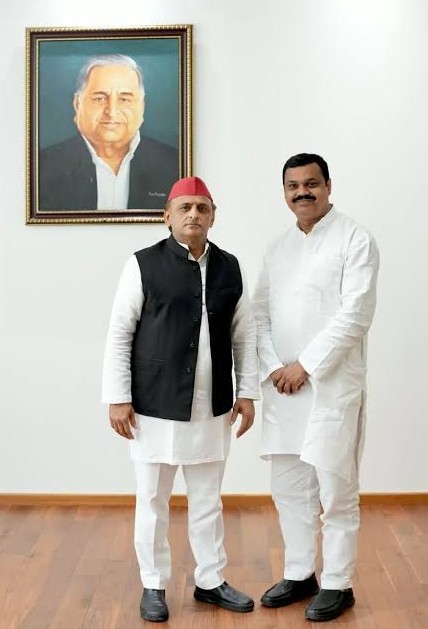
Shyam Bihari Gupta, chairman of the Uttar Pradesh Gau Seva Commission, said work had begun on the initiative in line with Chief Minister Yogi Adityanath's vision. Representatives of the commission and the National Bank for Agriculture and Rural Development (NABARD) met to discuss the proposed framework.
The discussions also covered ways to promote natural farming with technical assistance from the Uttar Pradesh Council of Agricultural Research (UPCAR) and Krishi Vigyan Kendras.
Under the proposed model, gaushalas and farmers would be connected through a system that turns cattle waste and other organic material into useful agricultural products. These would include natural fertilisers, biological pest-control agents and vermicompost, which could then be supplied to farmers in nearby areas.
Also Read: Iran Offers to Reopen Strait of Hormuz Within Seven Days if US Accepts Conditions
The arrangement is expected to create additional revenue streams for gaushalas while giving farmers easier access to inputs needed for natural farming.
Gupta said the commission would promote the scientific use of cow dung to manufacture products with greater economic value. Plans also include encouraging the production of Gau-Kasth, or logs made from cow dung, along with Panchgavya-based products.
The broader objective is to develop gaushalas into centres that support both cattle welfare and rural livelihoods, rather than limiting their role to the protection and care of cattle.
Lalitpur is being considered as the starting point for this approach. The proposed district-wide model would bring together gaushalas, farmers, Farmer Producer Organisations (FPOs) and rural entrepreneurs to create a connected rural economy.
If the pilot proves successful, the government plans to explore similar arrangements in one district in each division, rolling them out in phases.
The initiative is intended to address a key challenge for farmers: securing reliable markets and better returns for their produce. Alongside increasing agricultural output, the proposed framework envisages an organised system for collecting, processing, quality control, packaging, branding and marketing farm products.
FPOs, Self-Help Groups (SHGs), cooperative societies and rural entrepreneurs are expected to play an important role in this process. By helping farmers add value to their produce and reach wider markets, the model aims to create opportunities beyond conventional crop cultivation.
Also Read: France on Edge After Riots: Lecornu Seeks Curfews, Macron Backs Security Chief
Self-help groups are also expected to support small rural businesses and generate opportunities for self-employment.
The government is exploring financial and technical partnerships to help the proposed system take shape. With NABARD's support, FPOs, SHGs, Joint Liability Groups and eligible farmers could receive access to credit, financial assistance and capacity-building programmes.
Meanwhile, UPCAR and Krishi Vigyan Kendras are expected to provide technical training to farmers and gaushala managers. The training would focus on scientific natural farming practices and the production of useful products from resources available at gaushalas.
Energy generation is another component under consideration. The proposed model envisages setting up cow-dung-based biogas and compressed biogas (Bio-CBG) plants at suitable gaushalas.
Such facilities could allow cattle waste to be used for energy production alongside fertilisers and other value-added products. The plans also include linking gaushala-based enterprises with financial institutions and providing the technical training needed to operate these facilities.
Also Read: Kashmir-Bound Buses Attacked in Haryana, Punjab; PDP Leader Seeks Action
Through the proposed initiative, the Uttar Pradesh government aims to bring cattle protection, natural farming, rural entrepreneurship and agricultural marketing under one framework. The long-term objective is to strengthen the financial sustainability of gaushalas while creating additional income and employment opportunities for farmers and rural communities.